Philippine Crocodile
Crocodylus mindorensis
Overview
A detailed profile for this species is sourced from the IUCN Red List of Threatened Species as assessments become available.
The Philippine crocodile faces severe population decline primarily due to extensive habitat destruction from agricultural conversion, urban development, and mining activities throughout its limited range. Direct persecution by humans who fear attacks on livestock and people has historically decimated populations, while accidental capture in fishing nets continues to kill individuals. Pollution from agricultural runoff and industrial activities degrades remaining freshwater habitats, while introduced species compete for resources and alter ecosystem dynamics.
Habitat
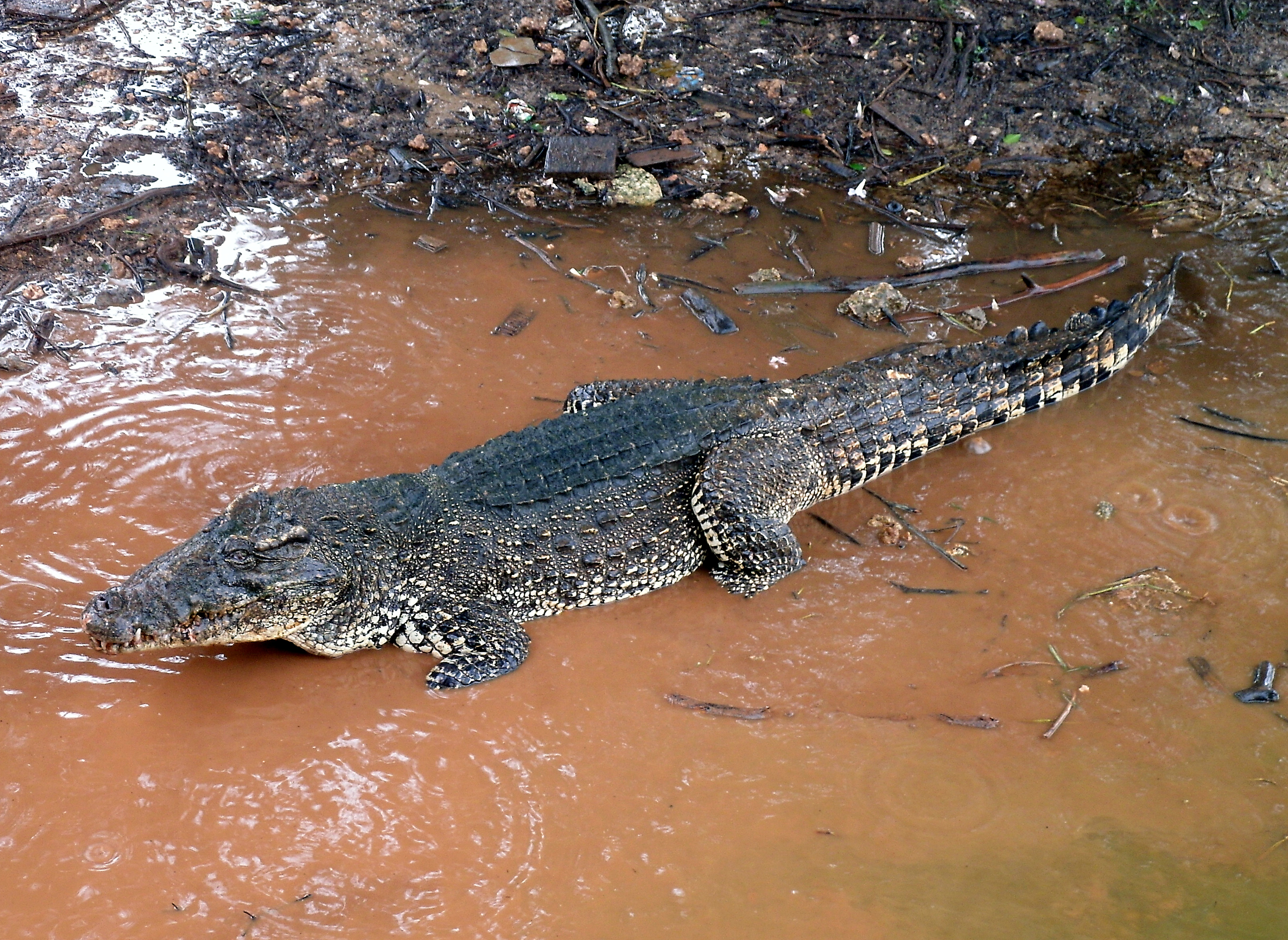
The Philippine crocodile inhabits freshwater environments including rivers, creeks, marshes, and ponds across the northern and central Philippines. It prefers shallow, slow-moving waters with dense vegetation and muddy banks suitable for nesting and basking.
Conservation measures underway
Other threatened species in CROCODYLIDAE



Threatened in Malaysia

Frequently asked questions
Why is Philippine Crocodile classified as Critically Endangered?
Where does Philippine Crocodile live?
What are the main threats to Philippine Crocodile?
Get weekly conservation intelligence
One short digest a week of the most striking species and country data we ship, plus breaking conservation news paired with our database where it matters.
Free, no spam. One-click unsubscribe in every email.