Southern Flinders Ranges Froglet
Crinia riparia
Overview
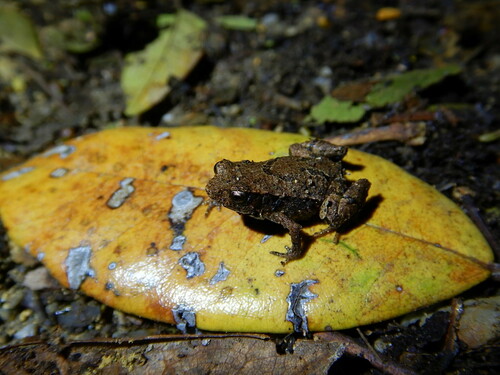
Crinia riparia is a small ground-dwelling frog belonging to the family Myobatrachidae, native to South Australia. Like other members of its genus, it is a compact, cryptically coloured amphibian with a granular or warty skin texture typical of Crinia species, relying on camouflage against streamside rocks and vegetation for protection from predators. Males produce advertisement calls to attract mates during breeding periods, usually associated with the presence of water.
As an insectivorous predator and a prey item for birds, reptiles, and other small vertebrates, it plays a role in the food webs of the riparian ecosystems it inhabits.
The species is restricted to the Southern Flinders Ranges of South Australia, where it occurs along rocky creeks and gorges. It depends on permanent or semi-permanent water sources within this arid to semi-arid landscape, making it highly sensitive to changes in hydrology.
Its decline is driven by livestock grazing, which degrades streamside vegetation and water quality through trampling and erosion, and by dams and water management practices that alter natural flow regimes essential to breeding habitat. Broader habitat shifting linked to changing climatic conditions, along with episodic storms and flooding events, further disrupt breeding sites and can cause direct mortality or destruction of egg and tadpole habitat.
Specific targeted conservation programs for this species are not well documented, though it benefits indirectly from general catchment management, riparian protection efforts, and monitoring conducted under South Australian biodiversity assessments. Its listing as Endangered on the IUCN Red List highlights the need for habitat protection and further research into population status.
The population trend is decreasing, and given its restricted range and ongoing habitat pressures, the species' long-term outlook remains uncertain without increased protective measures.
The Southern Flinders Ranges Froglet faces ongoing pressure from livestock grazing and trampling around its waterways, along with the construction and management of dams that alter the natural water flow it depends on. Changes to its stream and creek habitats, combined with severe storms and flooding events, further threaten the small, isolated populations of this species. Based on the continuous nature of these pressures, the threats appear to be stable to ongoing rather than clearly increasing or decreasing.
Conservation measures underway
Other threatened species in MYOBATRACHIDAE


Threatened in Australia
Frequently asked questions
Why is Southern Flinders Ranges Froglet classified as Endangered?
Where does Southern Flinders Ranges Froglet live?
What are the main threats to Southern Flinders Ranges Froglet?
Get weekly conservation intelligence
One short digest a week of the most striking species and country data we ship, plus breaking conservation news paired with our database where it matters.
Free, no spam. One-click unsubscribe in every email.