
Conasauga Logperch
Percina jenkinsi
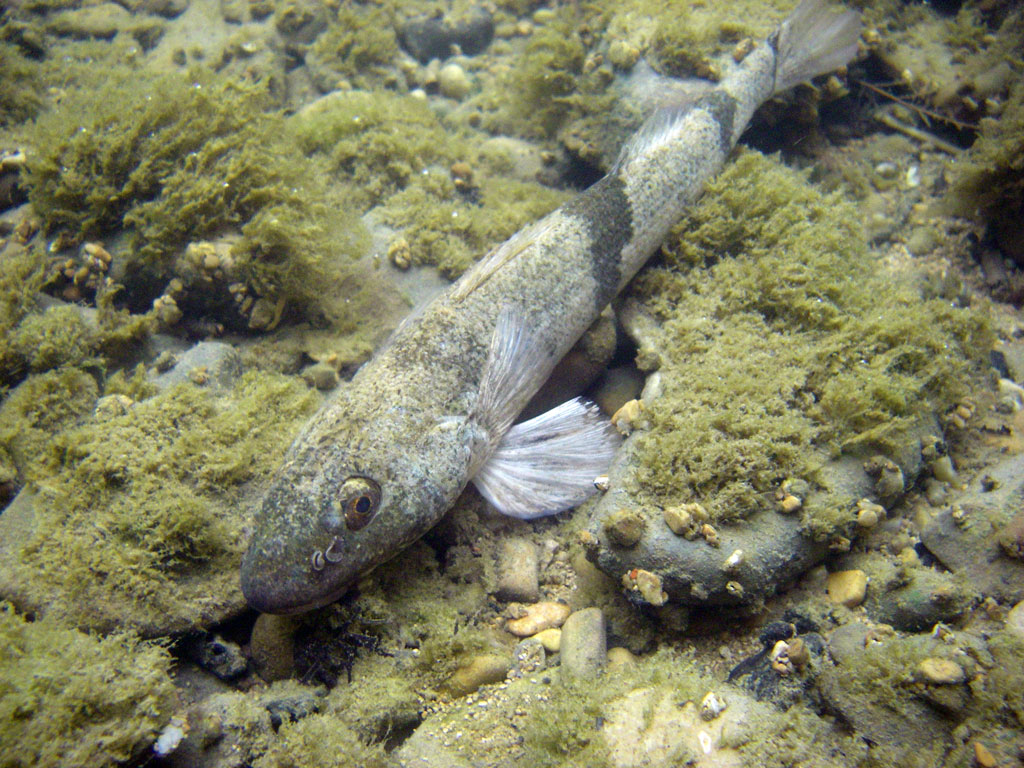
Photo: Photo: Wikimedia Commons, CC BY-SA
Overview
Percina jenkinsi, commonly known as the Conasauga logperch, is a small freshwater fish endemic to the Conasauga River system in Tennessee and Georgia. This darter species belongs to the family Percidae and is characterized by its elongated body, pointed snout, and distinctive banding patterns. The species inhabits shallow, fast-flowing sections of streams with rocky substrates where it feeds on aquatic invertebrates by using its specialized snout to probe between rocks and gravel.
The Conasauga logperch has experienced severe population declines due to habitat degradation and fragmentation within its extremely limited range. Major threats include sedimentation from agricultural runoff and development, water quality degradation, and alterations to stream flow patterns. The species' restricted distribution makes it particularly vulnerable to localized disturbances and environmental changes.
Dam construction and channelization have further reduced available habitat and disrupted natural flow regimes essential for the species' survival. Conservation efforts focus on habitat restoration within the Conasauga River watershed, including riparian buffer establishment and erosion control measures. Water quality monitoring programs have been implemented to track environmental conditions in critical habitats.
Collaborative efforts between federal agencies, state wildlife departments, and local stakeholders aim to address watershed-level threats through improved land use practices and stream restoration projects. The species' critical conservation status necessitates continued monitoring and adaptive management strategies to prevent extinction.
The Conasauga logperch faces severe threats from habitat degradation caused by sedimentation, agricultural runoff, and stream channelization within its limited range. Water quality deterioration and altered flow regimes from human activities have significantly reduced suitable habitat. The species' extremely restricted distribution makes populations highly vulnerable to localized environmental disturbances.
Habitat
Percina jenkinsi inhabits shallow, fast-flowing sections of the Conasauga River system with rocky or gravel substrates. The species requires clean, well-oxygenated water with stable flow conditions and minimal sedimentation.
Other threatened species in PERCIDAE


Threatened in United States
Frequently asked questions
Why is Conasauga Logperch classified as Critically Endangered?
Where does Conasauga Logperch live?
What are the main threats to Conasauga Logperch?
Get weekly conservation intelligence
One short digest a week of the most striking species and country data we ship, plus breaking conservation news paired with our database where it matters.
Free, no spam. One-click unsubscribe in every email.