
Borneo Shark
Carcharhinus borneensis
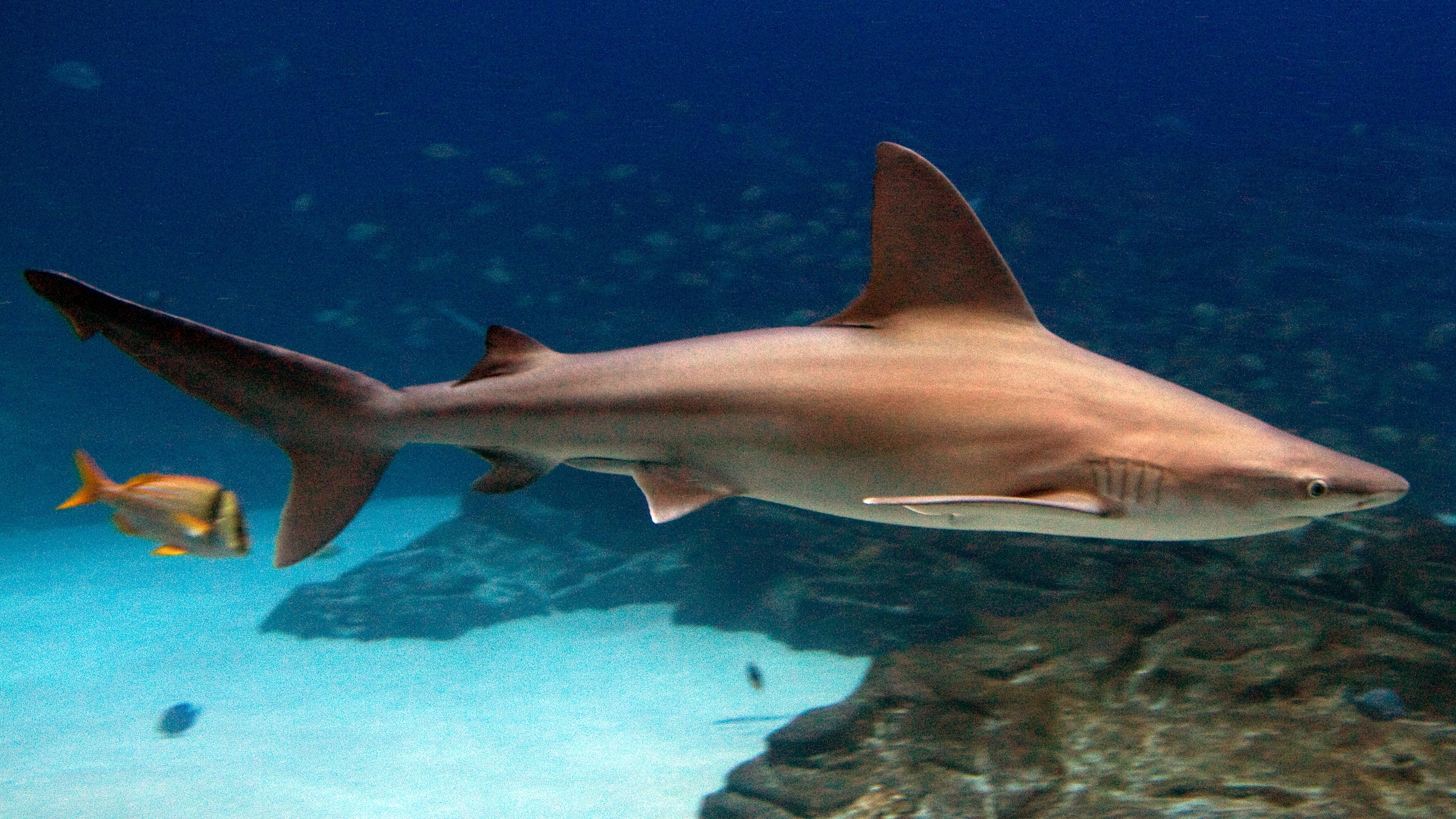
Photo: Photo: Wikimedia Commons, CC BY-SA
Overview
The Borneo shark is a species of requiem shark, and part of the family Carcharhinidae. Extremely rare, it is known only from inshore waters around Mukah in northwestern Borneo, though it may once have been more widely distributed. A small, gray shark reaching 65 cm (26 in) in length, this species is the only member of its genus with a row of enlarged pores above the corners of its mouth.
It has a slender body with a long, pointed snout and a low second dorsal fin placed posterior to the anal fin origin.
The Borneo shark faces severe population decline primarily due to intensive fishing pressure throughout its limited range in the Indo-West Pacific. Heavy exploitation by commercial and artisanal fisheries targets this species both directly and as bycatch, with high demand for shark fins and meat in regional markets. The species' restricted coastal habitat makes it particularly vulnerable to overfishing, while its slow reproductive rate prevents population recovery from current exploitation levels.
Habitat
The Borneo shark inhabits shallow coastal waters, continental shelves, and nearshore marine environments throughout the Indo-West Pacific region. This species is typically found in tropical waters at depths ranging from the surface to approximately 60 meters, preferring areas with sandy or muddy substrates near river mouths and coastal zones.
Conservation measures underway
Other threatened species in CARCHARHINIDAE

Threatened in China
Frequently asked questions
Why is Borneo Shark classified as Critically Endangered?
Where does Borneo Shark live?
What are the main threats to Borneo Shark?
Get weekly conservation intelligence
One short digest a week of the most striking species and country data we ship, plus breaking conservation news paired with our database where it matters.
Free, no spam. One-click unsubscribe in every email.