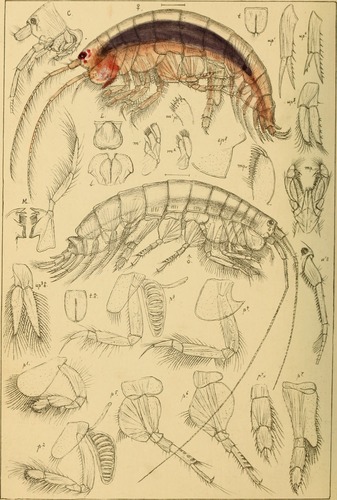
Ampelisca amblyops
Overview
A detailed profile for this species is sourced from the IUCN Red List of Threatened Species as assessments become available.
Ampelisca amblyops faces significant pressure from deep-sea mining activities and bottom trawling fisheries that disturb its benthic habitat. Climate change-induced ocean acidification and warming temperatures threaten to alter the species' specialized deep-water environment. Pollution from shipping and industrial activities further degrades water quality in its limited range.
Habitat
This amphipod crustacean inhabits deep marine benthic environments, typically found in soft sediments on continental slopes and abyssal plains. It constructs tube-like burrows in muddy substrates at depths ranging from several hundred to over 1,000 meters.
Other threatened species in Ampeliscidae
Threatened in Canada
Frequently asked questions
Why is Ampelisca amblyops classified as Vulnerable?
Where does Ampelisca amblyops live?
What are the main threats to Ampelisca amblyops?
Get weekly conservation intelligence
One short digest a week of the most striking species and country data we ship, plus breaking conservation news paired with our database where it matters.
Free, no spam. One-click unsubscribe in every email.