Haploops tenuis
Overview
A detailed profile for this species is sourced from the IUCN Red List of Threatened Species as assessments become available.
Haploops tenuis faces severe threats from coastal development and marine pollution in its restricted Mediterranean range. The species' extremely limited distribution makes it particularly vulnerable to habitat degradation from urban expansion, port construction, and industrial discharge. Climate change-induced sea level rise and temperature increases further threaten the shallow marine sediments this amphipod depends upon for survival.
Habitat
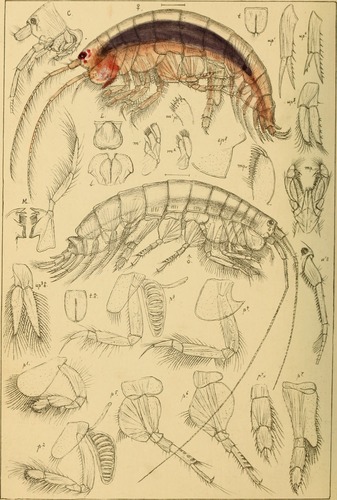
Haploops tenuis inhabits shallow marine sediments and sandy bottoms in coastal Mediterranean waters. This benthic amphipod constructs tube-like burrows in soft substrates, typically found at depths of 5-30 meters in areas with moderate water circulation.
Other threatened species in Ampeliscidae
Frequently asked questions
Why is Haploops tenuis classified as Critically Endangered?
Where does Haploops tenuis live?
What are the main threats to Haploops tenuis?
Get weekly conservation intelligence
One short digest a week of the most striking species and country data we ship, plus breaking conservation news paired with our database where it matters.
Free, no spam. One-click unsubscribe in every email.