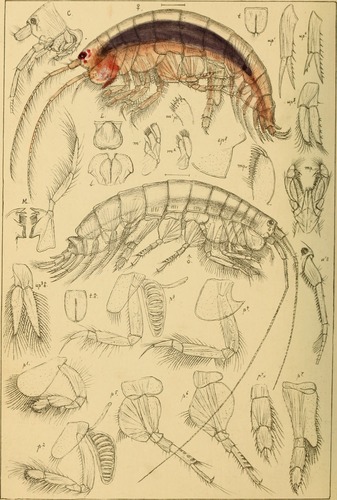
Haploops tubicola
Photo: Photo: Sars, G. O. (Georg Ossian), 1837-1927, no known copyright restrictions (public domain)
Overview
A detailed profile for this species is sourced from the IUCN Red List of Threatened Species as assessments become available.
Haploops tubicola faces severe threats from coastal development and pollution in its marine benthic habitats. Climate change-induced ocean acidification and warming waters further compromise the delicate sedimentary environments this amphipod species requires for survival.
Habitat
Soft sedimentary substrates in shallow marine and estuarine environments, typically inhabiting muddy bottoms and constructing tube-like burrows in intertidal and subtidal zones.
Other threatened species in Ampeliscidae
Frequently asked questions
Why is Haploops tubicola classified as Critically Endangered?
Where does Haploops tubicola live?
What are the main threats to Haploops tubicola?
Get weekly conservation intelligence
One short digest a week of the most striking species and country data we ship, plus breaking conservation news paired with our database where it matters.
Free, no spam. One-click unsubscribe in every email.