
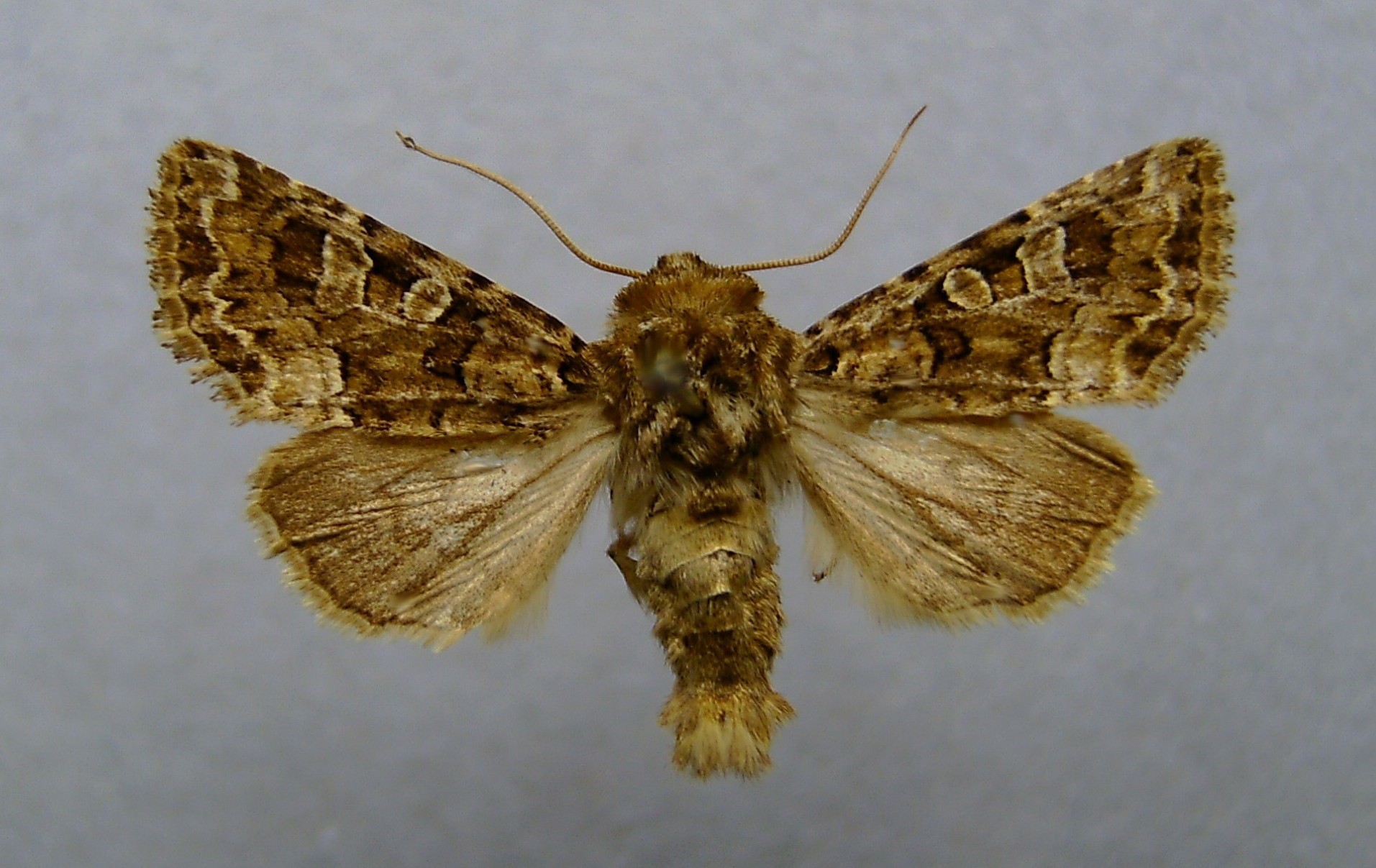
Apamea aquila
Photo: Wikimedia Commons (CC) via https://en.wikipedia.org/wiki/Apamea_aquila
Overview
Abromiade de la Molinie (Apamea aquila) is a nocturnal moth species belonging to the Noctuidae family, characterized by its mottled brown and gray wing patterns that provide excellent camouflage against tree bark and dried vegetation. As a herbivorous lepidopteran, it plays an important ecological role as both a pollinator during its adult stage and as prey for bats, spiders, and other nocturnal predators.
Abromiade de la Molinie faces significant threats from habitat degradation and loss of its specialized wetland environments. Agricultural intensification, drainage of marshlands, and changes in water management practices have reduced the availability of suitable breeding and foraging habitats. Climate change may further impact the species through altered precipitation patterns and wetland hydrology.
Habitat
This species inhabits marshy areas, wet meadows, and the margins of freshwater wetlands with dense vegetation including sedges and rushes. It particularly favors areas with Molinia grass and other tall grasses in damp, poorly-drained soils.
Other threatened species in Noctuidae
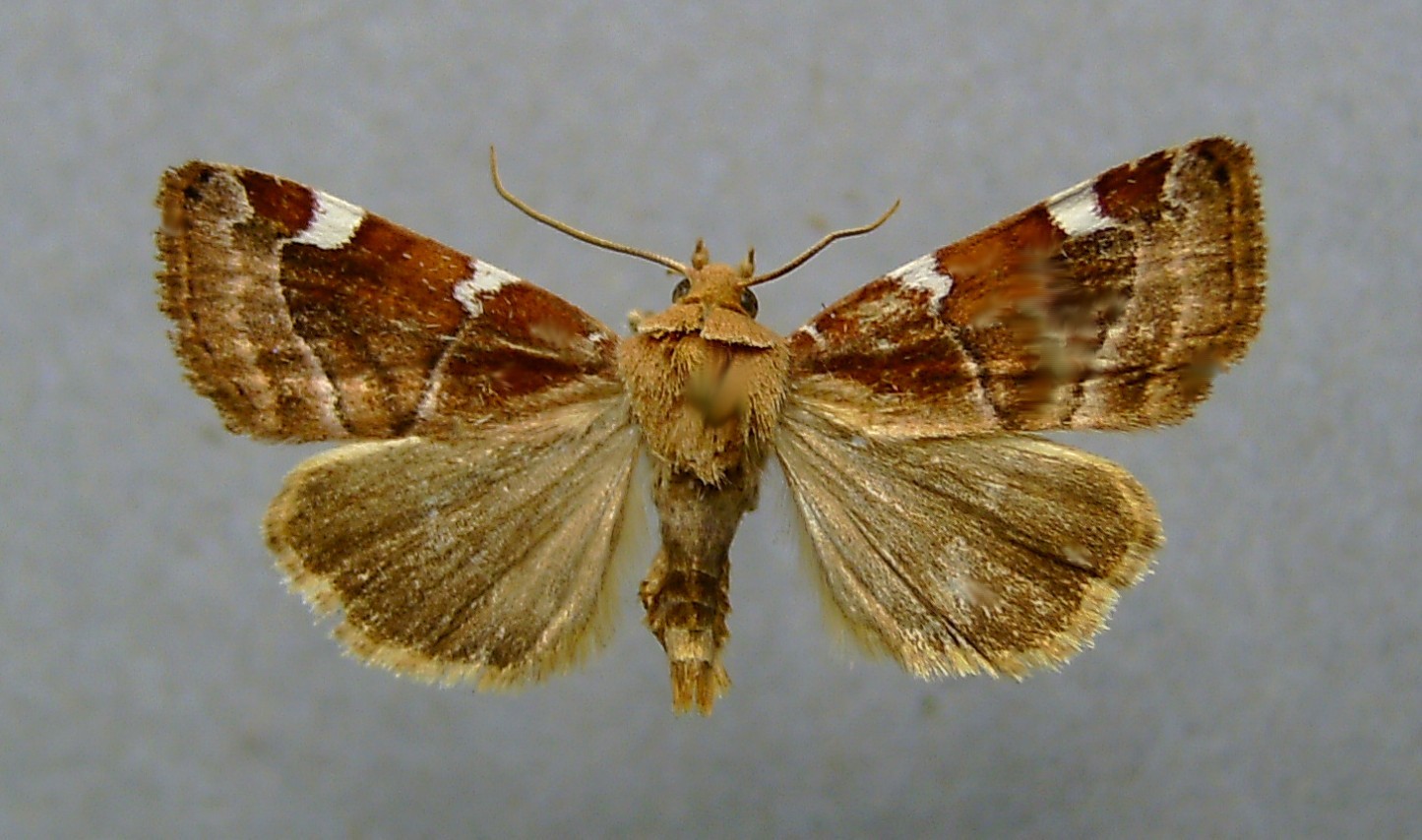

Threatened in Austria
Frequently asked questions
Why is Apamea aquila classified as Vulnerable?
Where does Apamea aquila live?
What are the main threats to Apamea aquila?
Get weekly conservation intelligence
One short digest a week of the most striking species and country data we ship, plus breaking conservation news paired with our database where it matters.
Free, no spam. One-click unsubscribe in every email.