Ray of Hope

Recently Rediscovered — Species Found Again After Being Declared Extinct

Sometimes nature surprises us. These species were written off — then found alive.

  • Missing for 40 yearsCaptive breeding (not wild)

    Guam Kingfisher (Sihek)

    Todiramphus cinnamominus

    Last seen
    1986
    Rediscovered
    2026
    Location
    Smithsonian National Zoo, Front Royal, Virginia

    The sihek went extinct in the wild on Guam by 1988 after the brown tree snake invasion. A 40-year captive breeding programme reached a milestone in April 2026 when two chicks hatched at the Smithsonian Conservation Biology Institute — bringing the global captive population near a threshold needed for the planned reintroduction to Palmyra Atoll. Note: this is a captive-breeding success, not a wild rediscovery.

  • Missing for 112 years

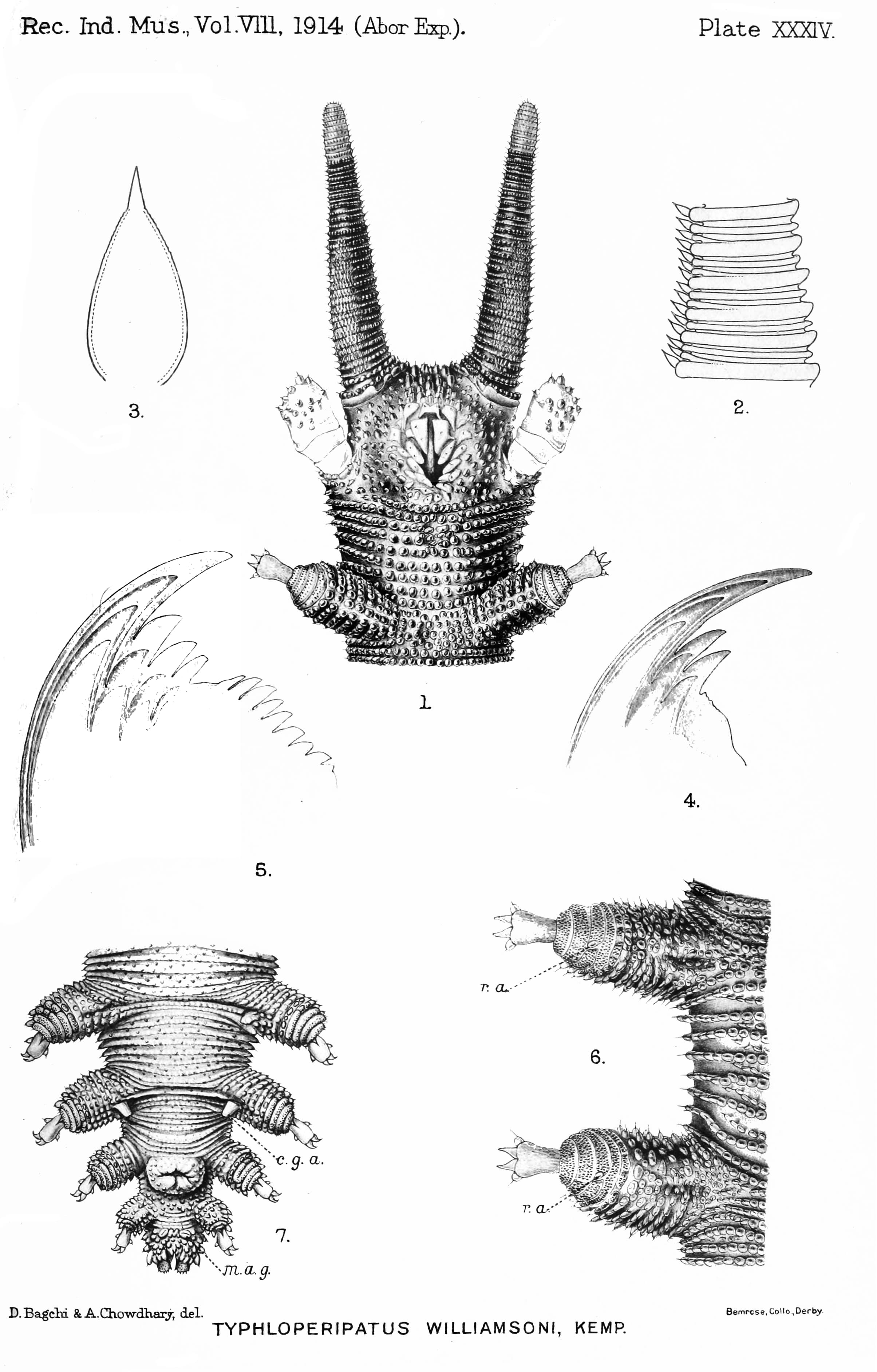
    Williamson's Velvet Worm

    Typhloperipatus williamsoni

    Last seen
    1913
    Rediscovered
    2025
    Location
    Eastern Himalayas, Arunachal Pradesh, India

    A blind, soil-dwelling velvet worm known from a single 1911 collection in the Mishmi Hills was rediscovered in October 2025 by a joint team from the Zoological Survey of India and Oxford University. The find confirms the Eastern Himalayas as one of the last refuges for ancient lineages — velvet worms have changed little in 500 million years.

  • Missing for 140 years

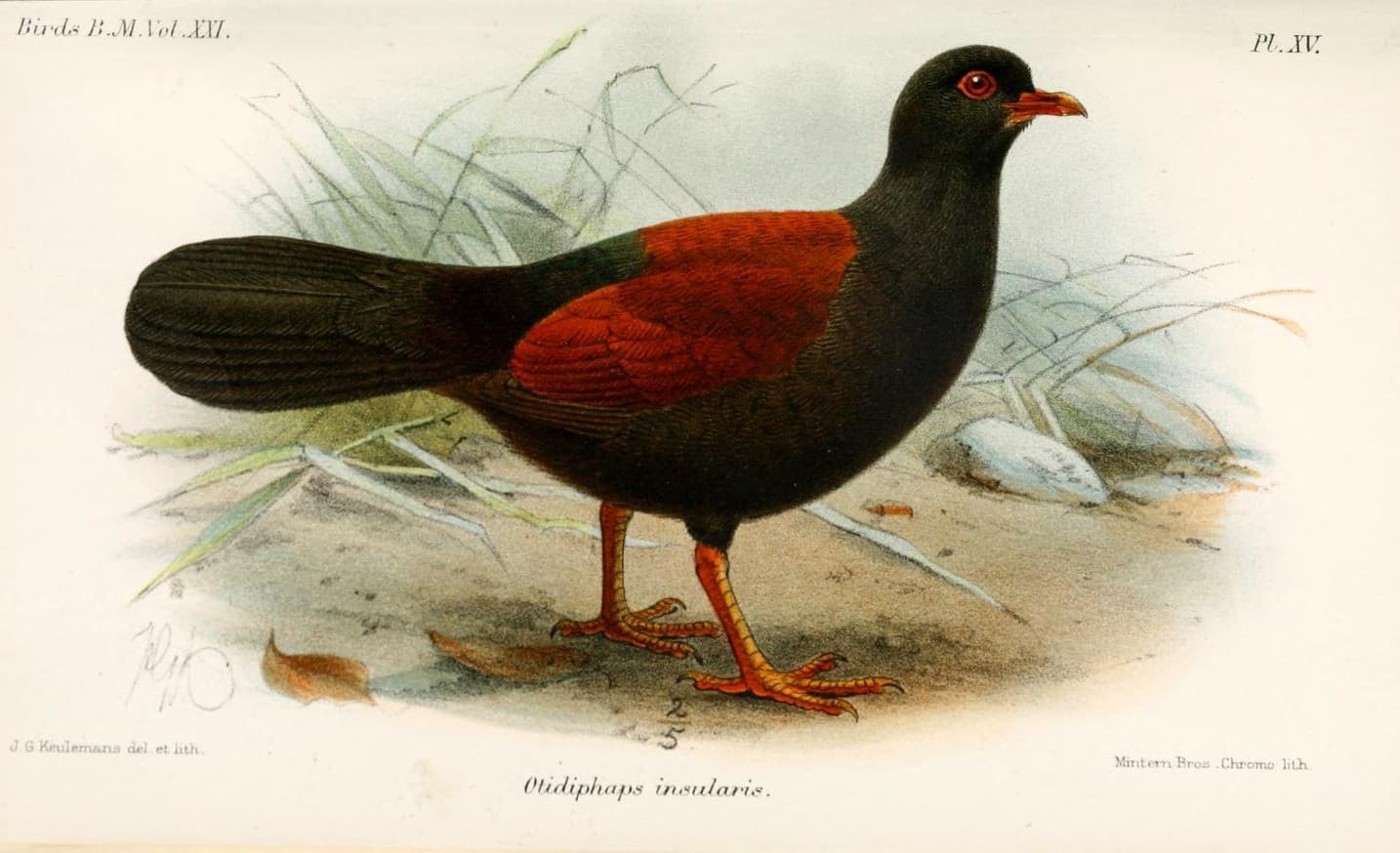
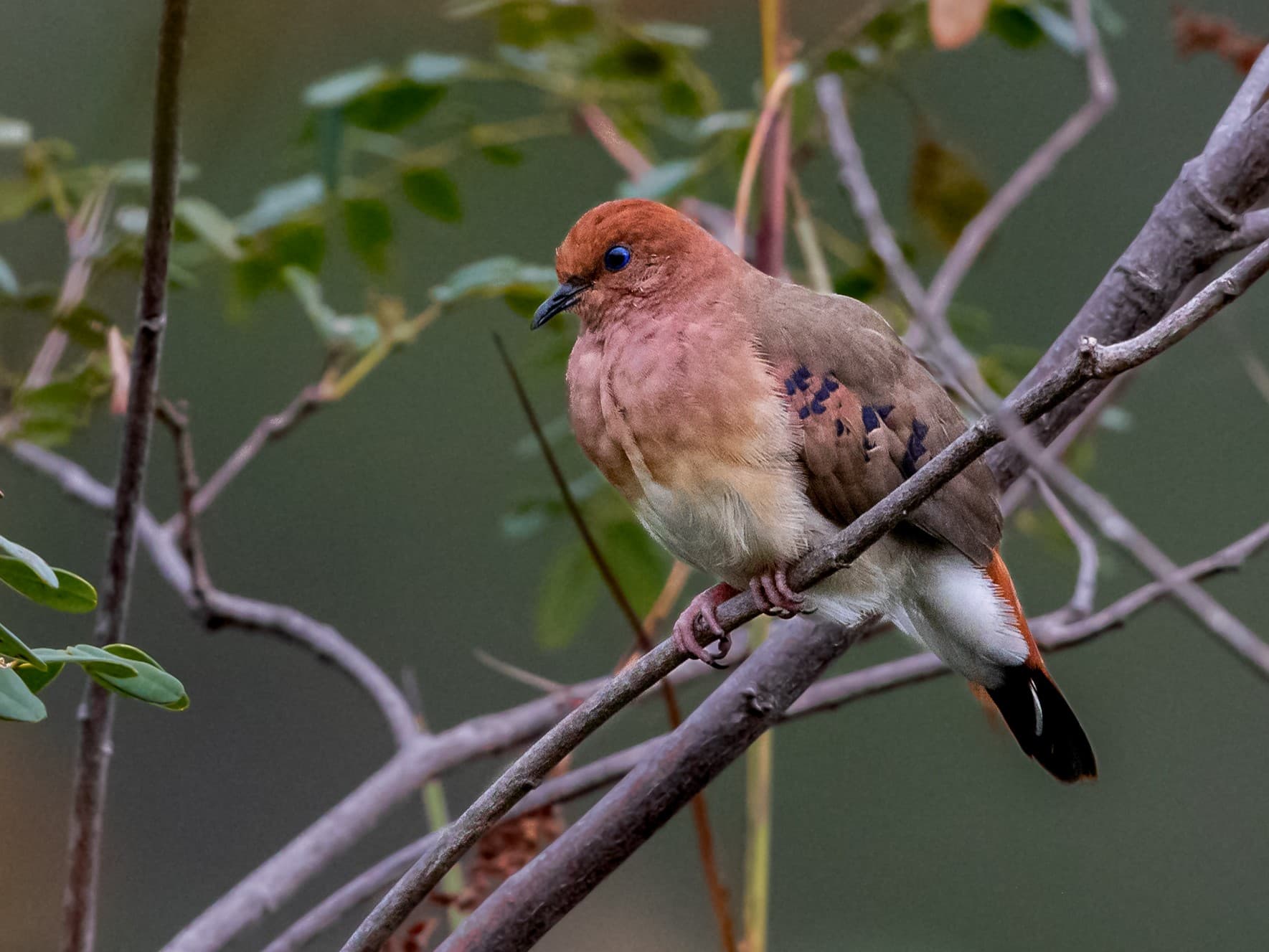
    Black-naped Pheasant Pigeon

    Otidiphaps insularis

    Last seen
    1882
    Rediscovered
    2022
    Location
    Fergusson Island, Papua New Guinea

    A Cornell Lab–led expedition rediscovered the black-naped pheasant pigeon on camera trap in September 2022, ending a 140-year absence from the scientific record. Local hunters had described the bird as still present; the team set traps along their indicated trails and captured a single male strutting through the lowland forest.

  • Missing for 172 years

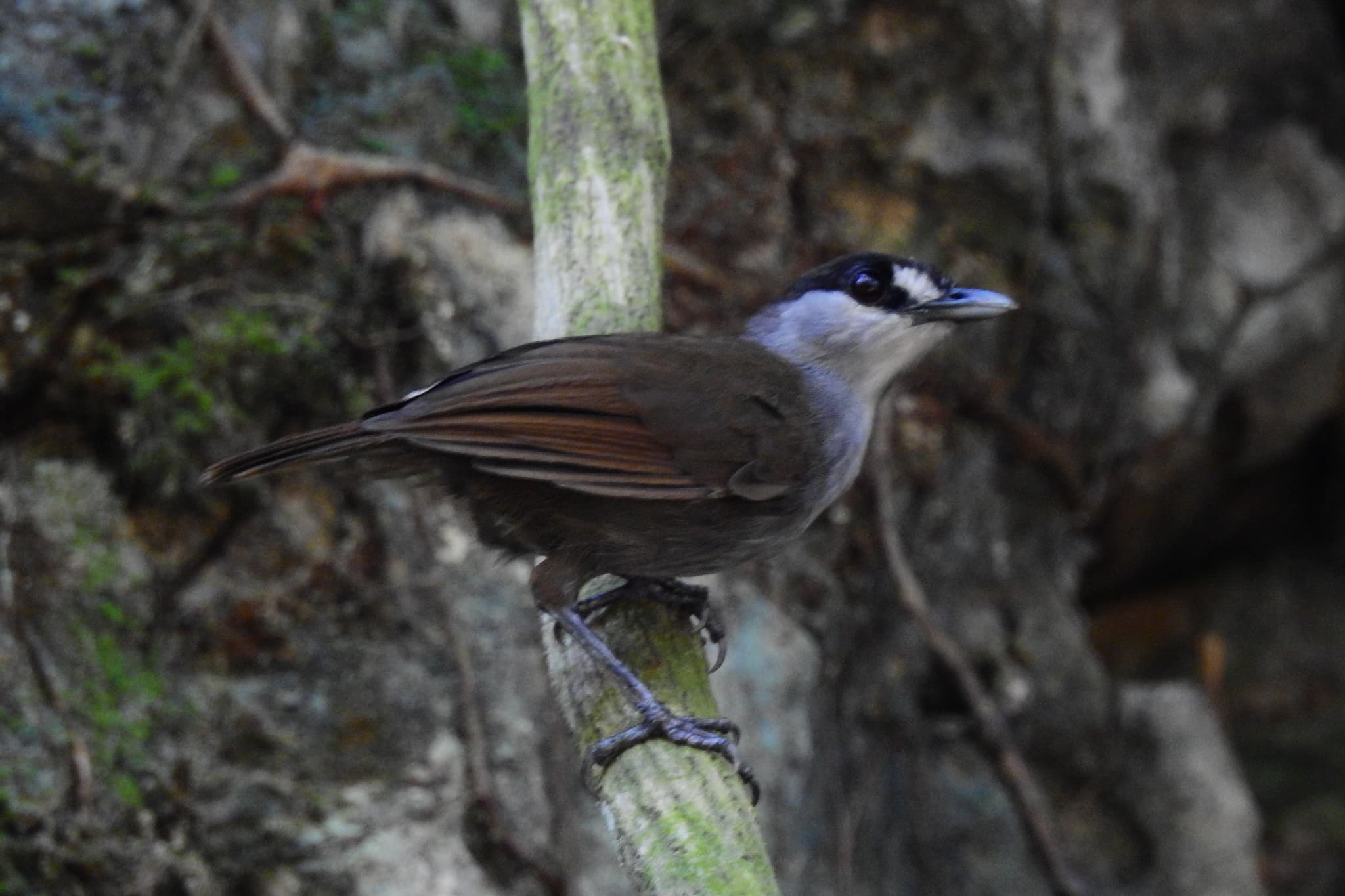
    Black-browed Babbler

    Malacocincla perspicillata

    Last seen
    1848
    Rediscovered
    2020
    Location
    South Kalimantan, Borneo

    Known from a single specimen collected in the mid-1840s, the black-browed babbler vanished from the record for 172 years — the longest gap of any Asian bird. In October 2020 two local men photographed and briefly held a live bird in a South Kalimantan forest before releasing it, ending one of ornithology's great mysteries.

  • Night Parrot
    Missing for 101 years

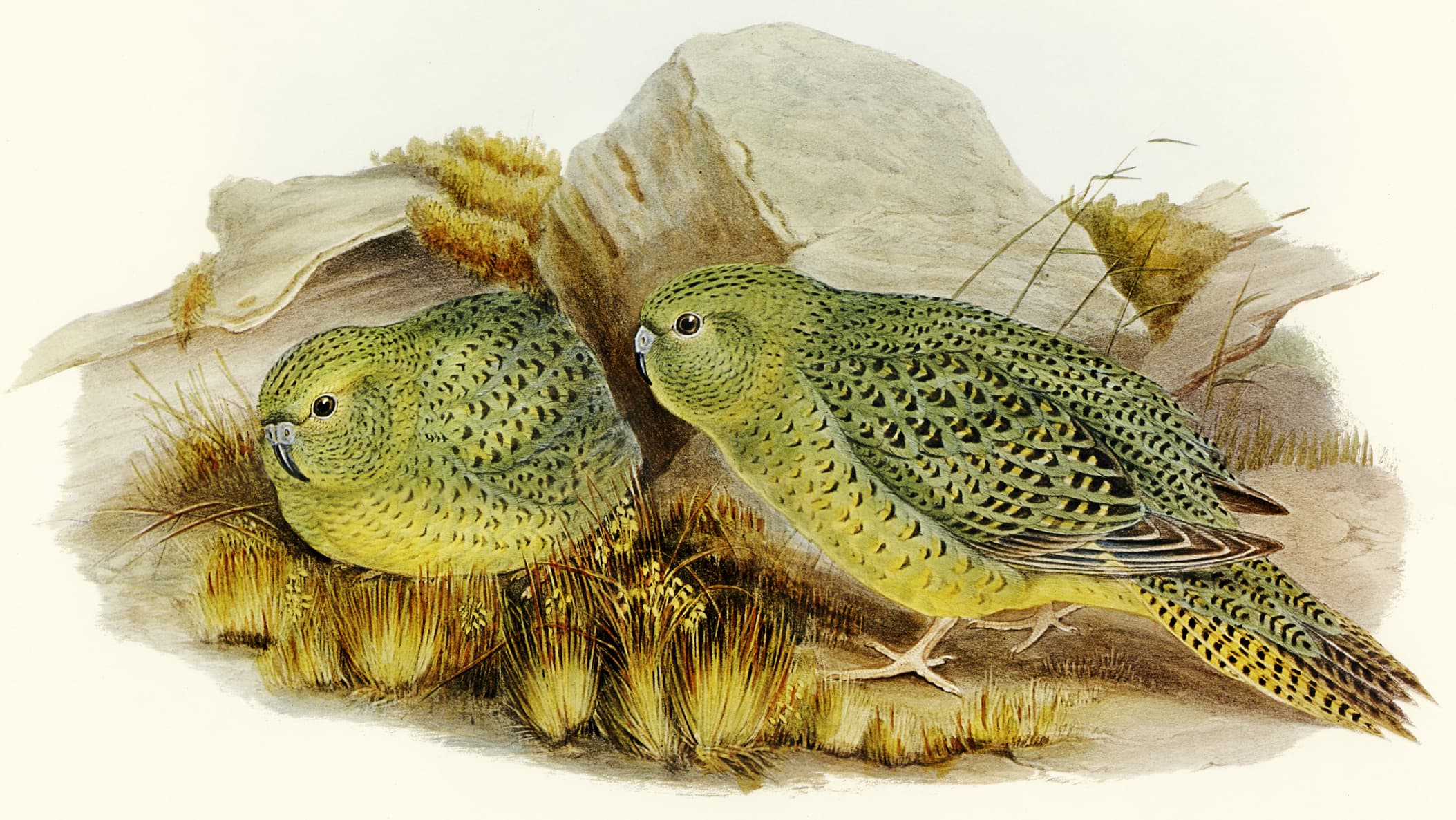
    Night Parrot

    Pezoporus occidentalis

    Last seen
    1912
    Rediscovered
    2013
    Location
    Western Queensland, Australia

    After a century of failed expeditions and only sporadic dead-bird records, naturalist John Young captured the first photographs and video of a living night parrot in remote Queensland spinifex country in May 2013. Acoustic surveys have since pinpointed several small populations, all in fenced predator-free reserves.

  • Missing for 331 years

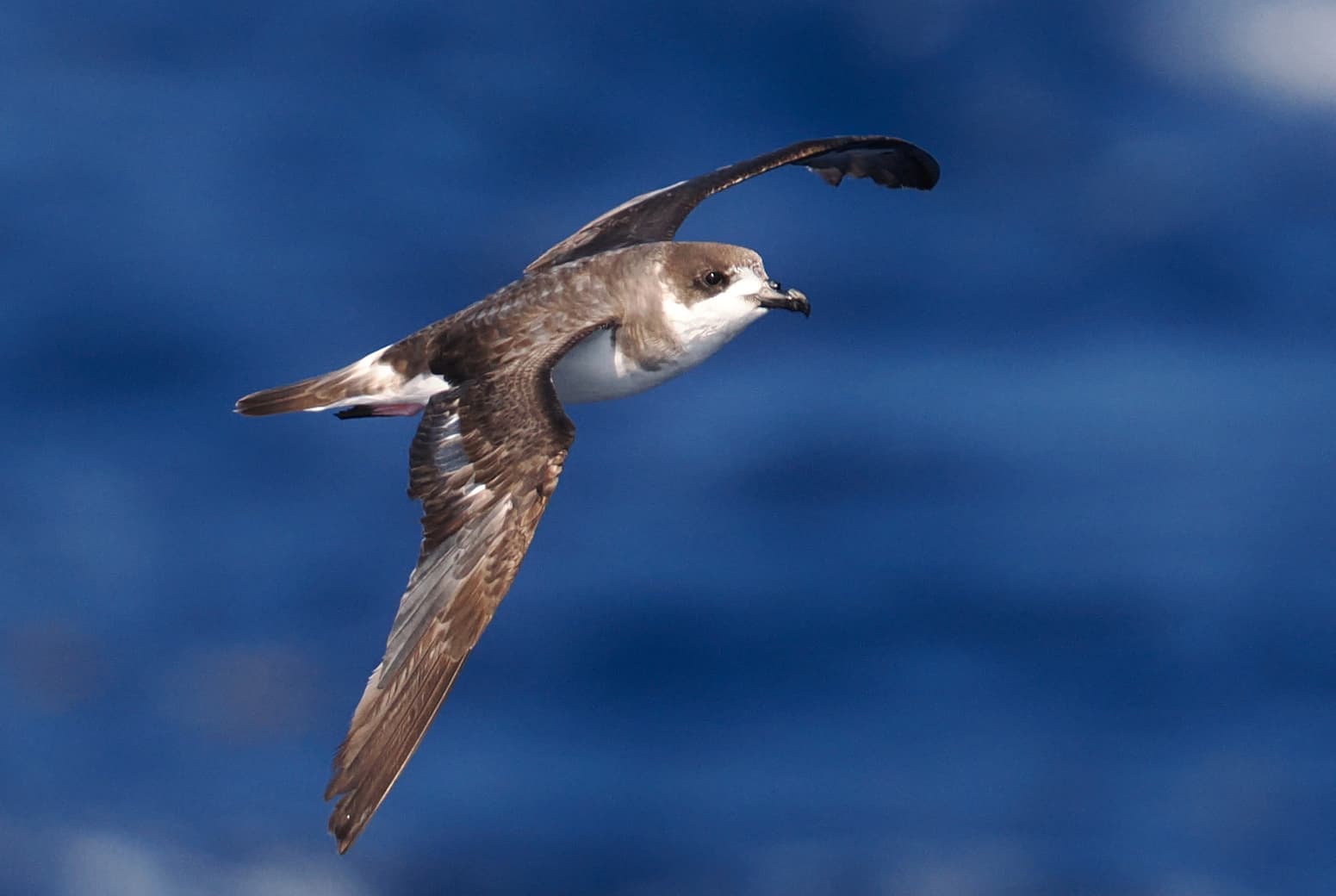
    Bermuda Petrel (Cahow)

    Pterodroma cahow

    Last seen
    1620
    Rediscovered
    1951
    Location
    Castle Harbour islets, Bermuda

    The cahow disappeared in the early 1600s after rats, pigs and human harvest devastated its breeding colonies. Three centuries later, on 28 January 1951, ornithologist Robert Cushman Murphy and 15-year-old David Wingate found 18 nesting pairs on tiny offshore islets. Active recovery work has since pushed the population past 130 breeding pairs.

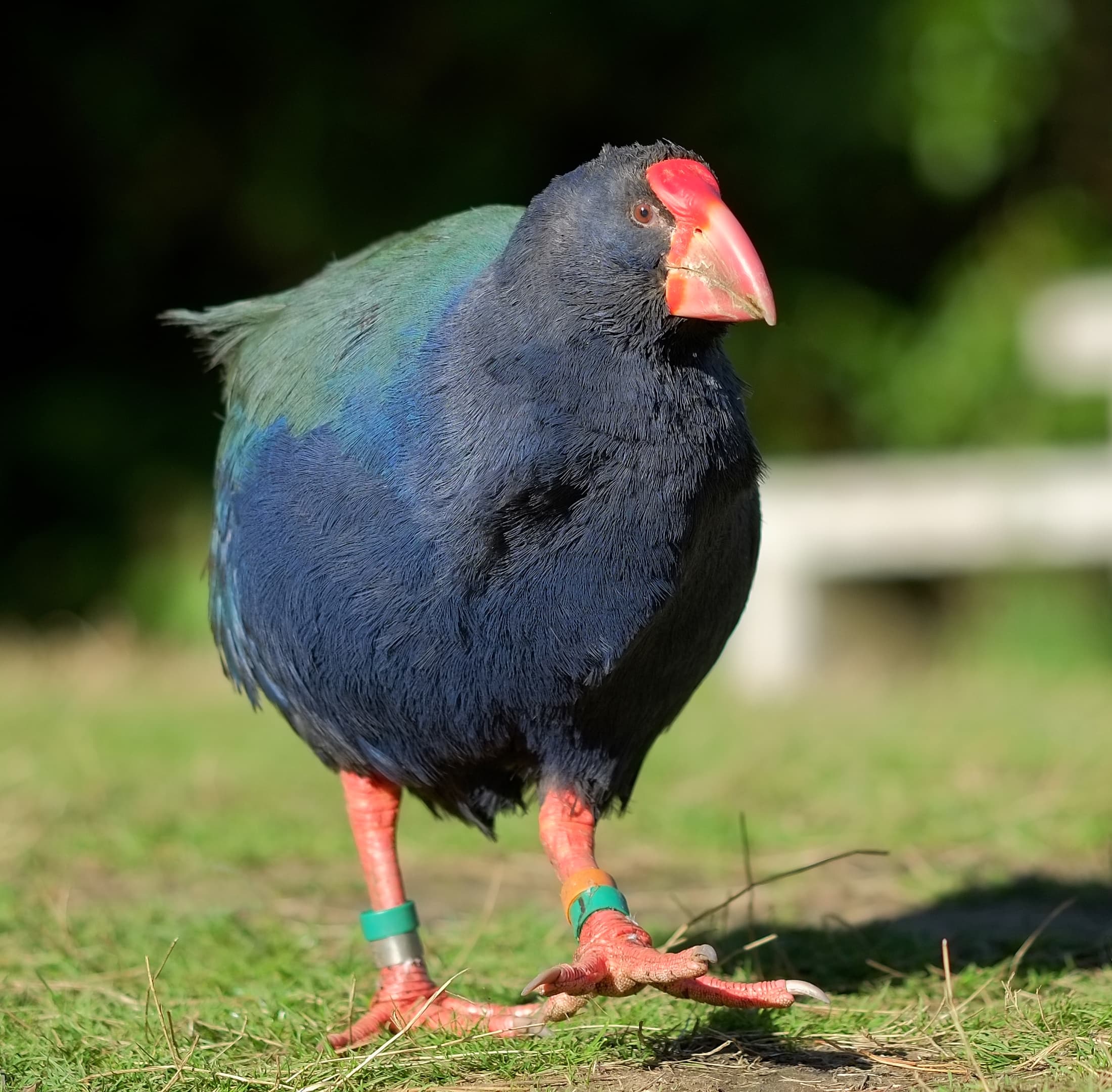
  • Takahē
    Missing for 50 years

    Takahē

    Porphyrio hochstetteri

    Last seen
    1898
    Rediscovered
    1948
    Location
    Murchison Mountains, Fiordland, New Zealand

    Declared extinct after the last specimens in the 1890s, the flightless takahē was rediscovered by Dr Geoffrey Orbell in a remote alpine valley of Fiordland in November 1948. Decades of intensive predator control and translocation to predator-free islands have lifted the wild population above 500 birds.

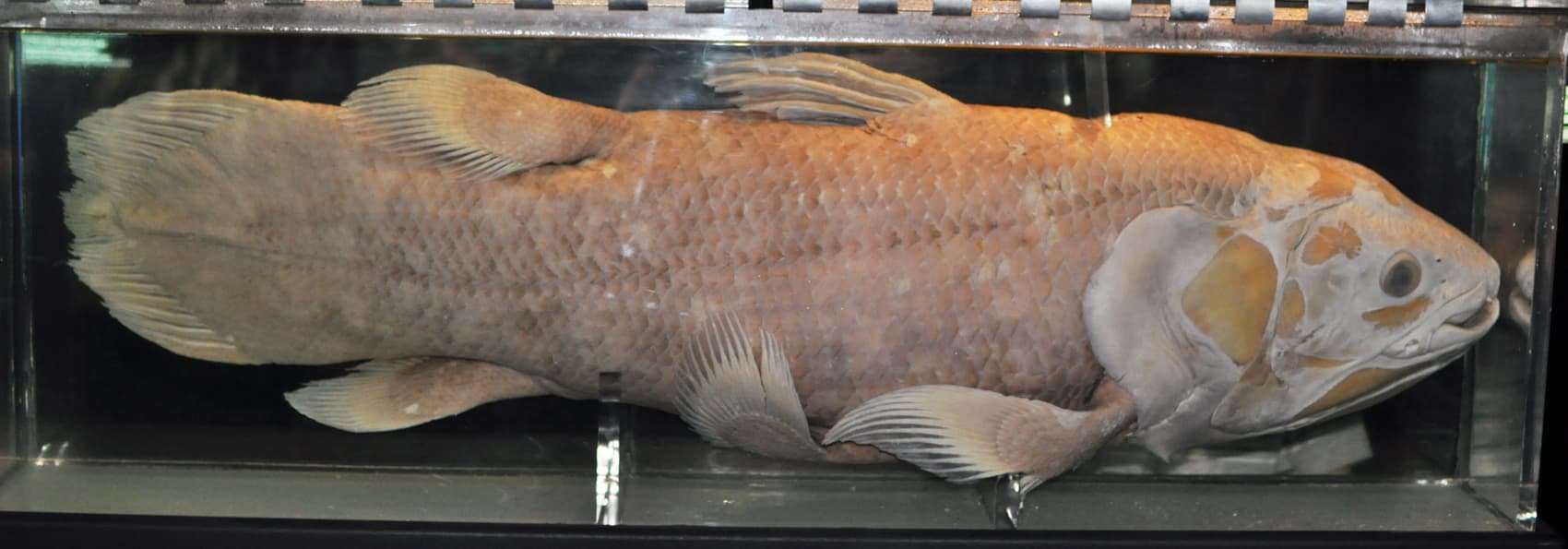
  • Missing for 66 million years

    Coelacanth

    Latimeria chalumnae

    Rediscovered
    1938
    Location
    East London, South Africa

    Known only from 66-million-year-old fossils, the coelacanth was hauled aboard a trawler off the South African coast in December 1938. Museum curator Marjorie Courtenay-Latimer recognised it as a fish unknown to science. Two species of coelacanth survive in the deep waters off East Africa and Indonesia.