Species Explorer
Browse and search species from the IUCN Red List and GBIF.
54,666 species
Enteromius sp. nov. '2 - Upper Senegal and Gambie River basins'
VUEnteromius sp. nov. '2 - Upper Senegal and Gambie River basins'
Eleutherodactylus bothroboans
CREleutherodactylus bothroboans
Eleutherodactylus bothroboans faces severe threats from habitat loss due to deforestation, urban development, and agricultural conversion of its limited mountain forest habitat. Climate change and extreme weather events like hurricanes further degrade remaining habitat and disrupt breeding cycles. Invasive species and potential disease outbreaks pose additional risks to the already small and fragmented populations.
Nannoscincus humectus
ENNannoscincus humectus
Cornufer cheesmanae
VUCornufer cheesmanae
Cornufer nexipus
VUCornufer nexipus
Ruprechtia costaricensis
VURuprechtia costaricensis
Hillia longifilamentosa
VUHillia longifilamentosa
Gonzalagunia longithyrsa
VUGonzalagunia longithyrsa
Telmatobius timens
CRTelmatobius timens
Telmatobius timens faces severe threats from water pollution caused by mining activities and agricultural runoff in its high-altitude habitat. The species is also vulnerable to chytrid fungus disease and climate change impacts that alter water availability and temperature in mountain ecosystems.
Orophea yunnanensis
CROrophea yunnanensis
Orophea yunnanensis faces severe threats from habitat destruction due to agricultural expansion, infrastructure development, and urbanization in Yunnan Province. Climate change compounds these pressures by potentially altering suitable habitat conditions within the species' already restricted range.
Telmatobius vellardi
CRTelmatobius vellardi
Telmatobius vellardi faces severe threats from habitat destruction caused by mining activities and agricultural expansion in high-altitude Andean regions. Water pollution from industrial and agricultural sources degrades the aquatic environments essential for the species' survival. Climate change and the deadly chytrid fungus disease further compound these pressures on remaining populations.
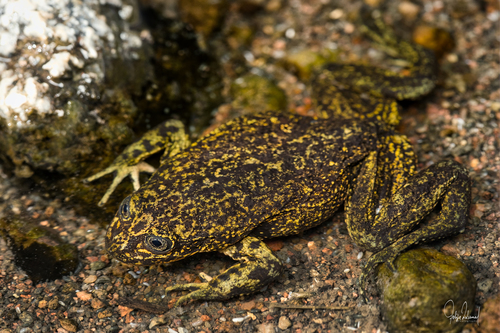
Telmatobius vilamensis
CRTelmatobius vilamensis
Telmatobius vilamensis faces threats from habitat degradation due to mining activities, water pollution, and extraction for human use. Climate change and the fungal disease chytridiomycosis further threaten remaining populations. The species' restricted high-altitude range and dependence on clean aquatic habitats make it particularly vulnerable to these environmental pressures.
Atelognathus patagonicus
CRAtelognathus patagonicus
The primary threats to Atelognathus patagonicus include habitat degradation from livestock grazing and agricultural activities within its extremely limited range. Climate change compounds these pressures by altering the moisture and temperature conditions essential for this amphibian's survival. The species' restricted distribution makes it particularly vulnerable to any environmental disturbances or human development in its habitat.
Isertia scorpioides
VUIsertia scorpioides
Eugenia corusca
VUEugenia corusca
Phyllanthus valerii
VUPhyllanthus valerii
Palicourea horquetensis
VUPalicourea horquetensis
Palicourea albocaerulea
VUPalicourea albocaerulea
Pristimantis orestes
ENPristimantis orestes
Pristimantis ortizi
ENPristimantis ortizi
Acacia chrysotricha
ENAcacia chrysotricha
Pristimantis chrysops
CRPristimantis chrysops
Pristimantis chrysops faces severe threats from habitat destruction due to deforestation, agricultural expansion, and urban development within its limited range. The species' restricted distribution and specialized habitat requirements make it particularly vulnerable to environmental changes and human encroachment.
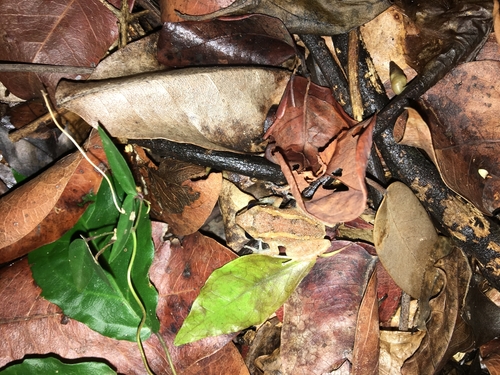
Pristimantis euphronides
CRPristimantis euphronides
Pristimantis euphronides faces severe threats from habitat destruction due to deforestation, agricultural expansion, and urban development within its limited range. The species' restricted distribution and specialized habitat requirements make it particularly vulnerable to environmental changes and human encroachment.
Pristimantis ocellatus
ENPristimantis ocellatus
Piper pittieri
VUPiper pittieri
Ardisia capitellata
VUArdisia capitellata
Meliosma oligantha
ENMeliosma oligantha
Pentagonia hirsuta
VUPentagonia hirsuta
Psychotria hamiltoniana
VUPsychotria hamiltoniana
Andea fulvescens
ENAndea fulvescens
Eugenia hammelii
VUEugenia hammelii
Faramea capulifolia
VUFaramea capulifolia
Frangula circumscissa
VUFrangula circumscissa
Styrax nicaraguensis
VUStyrax nicaraguensis
Gonystylus consanguineus
VUGonystylus consanguineus
Pristimantis albericoi
CRPristimantis albericoi
Pristimantis albericoi faces severe threats from habitat destruction due to deforestation, agricultural expansion, and human settlement in its limited montane range. The species' extremely restricted distribution makes it particularly vulnerable to local extinctions from environmental changes and habitat fragmentation.
Acacia mathuataensis
ENAcacia mathuataensis
Pristimantis ruidus
CRPristimantis ruidus
Pristimantis ruidus faces severe threats from habitat destruction and fragmentation due to agricultural expansion, logging, and human settlement in its limited range. The species' restricted distribution and specialized habitat requirements make it extremely vulnerable to environmental changes and population decline.
Palicourea matamana
CRPalicourea matamana
Palicourea matamana faces severe threats from habitat destruction and fragmentation due to deforestation, agricultural expansion, and human settlement in its limited range. The species' restricted distribution makes it particularly vulnerable to localized threats, while climate change may further reduce suitable habitat availability.
Lippia bicolor
VULippia bicolor
Elaeagia nitidifolia
VUElaeagia nitidifolia
Plinia cuspidata
VUPlinia cuspidata
Allobates ranoides
CRAllobates ranoides
Allobates ranoides faces severe threats from habitat destruction due to deforestation, agricultural expansion, and urban development within its limited range in the Amazon basin. The species is particularly vulnerable due to its restricted distribution and specialized habitat requirements, making populations highly susceptible to local extinctions from environmental changes and fragmentation.
Aromobates nocturnus
CRAromobates nocturnus
Aromobates nocturnus faces severe threats from habitat destruction due to deforestation, agricultural expansion, and urban development within its limited range in the Venezuelan Andes. The species' restricted distribution and specialized habitat requirements make it extremely vulnerable to environmental changes and human encroachment. Climate change poses additional risks by altering the temperature and humidity conditions essential for this nocturnal frog's survival.
Gonystylus calophyllus
VUGonystylus calophyllus
Atopophrynus syntomopus
CRAtopophrynus syntomopus
Atopophrynus syntomopus faces severe threats from habitat destruction and fragmentation due to agricultural expansion, urban development, and deforestation within its limited range in Colombia. The species' restricted distribution makes it particularly vulnerable to environmental changes and human activities. Climate change and pollution further compound these pressures on remaining populations.
Psychotria pisonioides
VUPsychotria pisonioides
Barleria splendens
VUBarleria splendens
Psychotria laselvensis
VUPsychotria laselvensis
Daphnopsis hammelii
VUDaphnopsis hammelii