Patagonia Frog
Atelognathus patagonicus
Overview
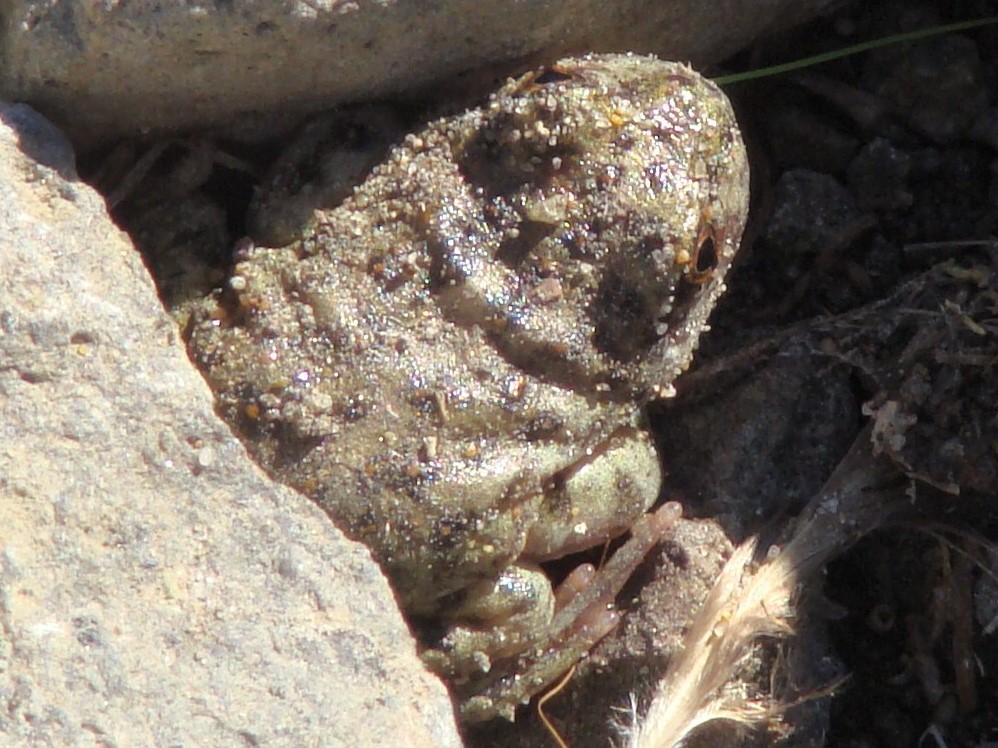
Atelognathus patagonicus, commonly known as the Patagonian frog, is a critically endangered amphibian species endemic to Argentina. This small terrestrial frog is found exclusively in the Patagonian region, where it inhabits specific microhabitats within the steppe environment. The species has an extremely limited distribution range, making it particularly vulnerable to environmental changes and human activities.
Historical threats to A. patagonicus have included habitat degradation from livestock grazing, agricultural expansion, and infrastructure development in its restricted range. Climate change poses additional challenges, as altered precipitation patterns and temperature fluctuations can affect the delicate moisture conditions required for amphibian survival and reproduction.
The species' small population size and fragmented habitat further increase extinction risk. Conservation efforts have focused on habitat protection and monitoring of remaining populations. Research initiatives have worked to better understand the species' ecological requirements and population dynamics.
Local conservation organizations have collaborated with government agencies to establish protective measures for critical habitat areas. Recent monitoring suggests that targeted conservation interventions may be having positive effects, as indicated by the increasing population trend. However, the species remains critically endangered due to its restricted range and ongoing environmental pressures.
Continued conservation efforts, including habitat restoration and protection from human disturbances, are essential for the long-term survival of this endemic Patagonian amphibian.
The primary threats to Atelognathus patagonicus include habitat degradation from livestock grazing and agricultural activities within its extremely limited range. Climate change compounds these pressures by altering the moisture and temperature conditions essential for this amphibian's survival. The species' restricted distribution makes it particularly vulnerable to any environmental disturbances or human development in its habitat.
Habitat
Atelognathus patagonicus inhabits specific microhabitats within the Patagonian steppe environment of Argentina. The species requires particular moisture and substrate conditions that support its terrestrial lifestyle and reproductive needs.
Conservation measures underway
Other threatened species in BATRACHYLIDAE

Threatened in Argentina

Frequently asked questions
Why is Patagonia Frog classified as Critically Endangered?
Where does Patagonia Frog live?
What are the main threats to Patagonia Frog?
Get weekly conservation intelligence
One short digest a week of the most striking species and country data we ship, plus breaking conservation news paired with our database where it matters.
Free, no spam. One-click unsubscribe in every email.