Species Explorer
Browse and search species from the IUCN Red List and GBIF.
54,666 species

Warnstorf's Sphagnum
CRSphagnum warnstorfii
Warnstorf's Sphagnum faces severe threats from habitat destruction and degradation of its specialized wetland environments. Climate change and altered hydrology from human activities are disrupting the delicate water balance required for this moss species to survive, while pollution and eutrophication further compromise its remaining habitats.
warrior shrimp
ENSclerocrangon ferox

Wart Lichen
ENPyrenula nitida

Wart-biter
CRDecticus verrucivorus
The Wart-biter cricket faces severe population declines across its range due to widespread habitat loss and fragmentation of its specialized grassland ecosystems. Agricultural intensification, urban development, and the abandonment of traditional low-intensity grazing practices have eliminated much of the species' required habitat. Climate change and altered fire regimes further threaten remaining populations in this already restricted range.

Warty Asian Tree Toad
ENPedostibes tuberculosus
Warzensporige Trüffel
ENFischerula macrospora
Wasp
VUCerocephala rufa
Wasp Wood-soldierfly
ENXylomya maculata

Waste Grass-veneer
ENPediasia contaminella
Water Earwort
VUScapania undulata

Water Ermine
VUSpilosoma urticae

Water figwort
CRScrophularia umbrosa
Water figwort faces severe threats from habitat destruction and degradation of its specialized wetland environments. Urban development, agricultural expansion, and water management practices have significantly reduced suitable habitat, while pollution and invasive species further compromise remaining populations.

Water Germander
CRTeucrium scordium
Water Germander faces severe population declines due to widespread wetland destruction and drainage for agricultural conversion and urban development. The species' specialized habitat requirements make it extremely vulnerable to hydrological changes, water pollution from agricultural runoff, and habitat fragmentation that isolates remaining populations.

Water Lobelia
CRLobelia dortmanna
Water Lobelia faces severe threats from habitat degradation due to eutrophication and acidification of its specialized aquatic environments. The species' extremely narrow ecological requirements make it highly vulnerable to water quality changes, while climate change and human activities continue to degrade the pristine lake conditions it depends upon for survival.

Water Purslane
VULythrum portula
Water spangles
CRSalvinia minima
Water spangles faces severe threats from habitat degradation, water pollution, and competition from invasive aquatic species that can rapidly colonize and dominate freshwater ecosystems. Climate change and altered hydrological patterns further threaten the delicate balance of shallow water environments this species depends on. Conservation status may vary by region or assessment authority, but populations continue to decline due to human impacts on freshwater systems.

Water Speedwell
VUVeronica anagallis-aquatica
Water Speedwell faces significant decline due to habitat loss from wetland drainage, agricultural intensification, and water pollution. Urban development and changes in water management practices have severely reduced suitable aquatic and semi-aquatic habitats across its range.
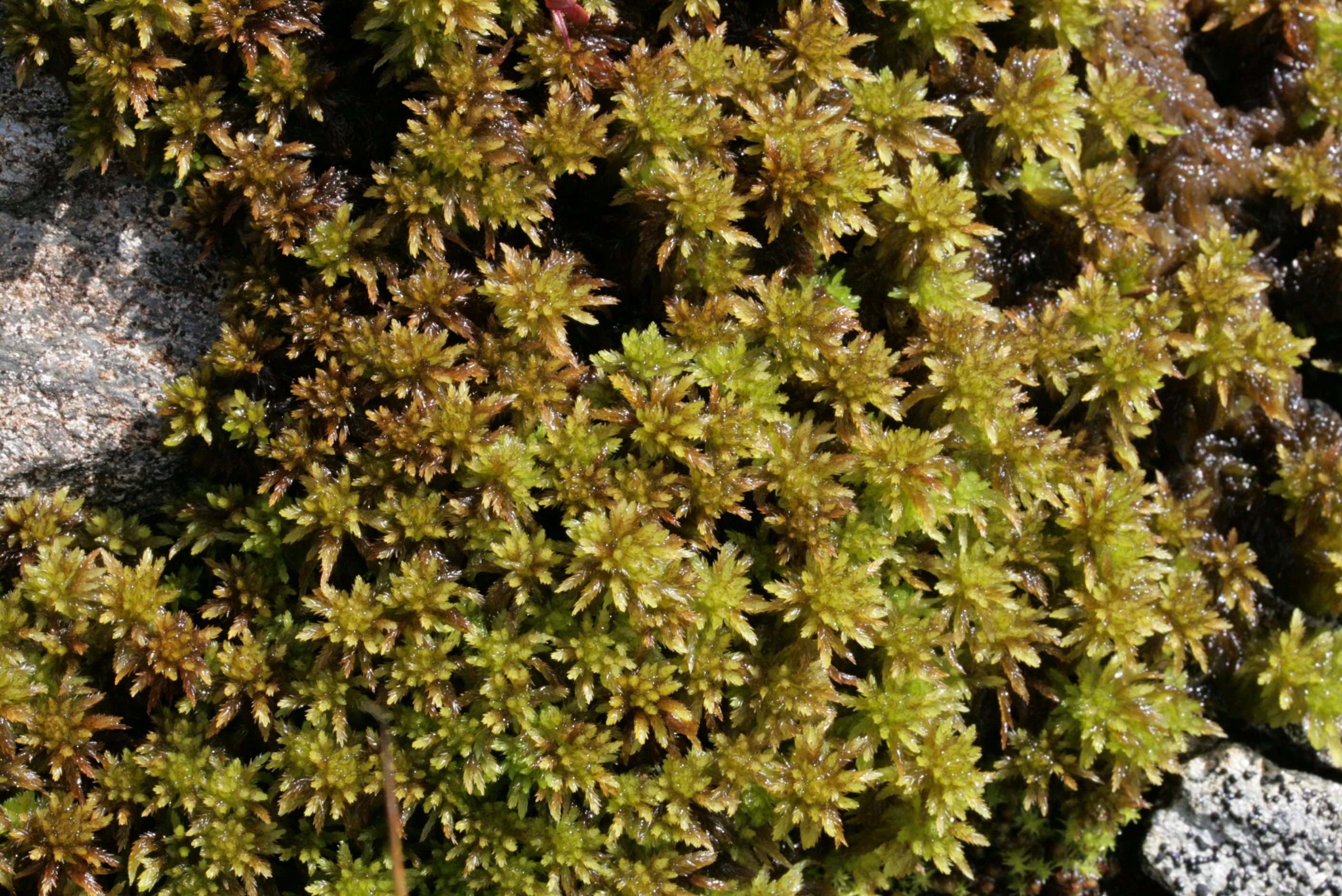
Water Sphagnum
ENSphagnum inundatum
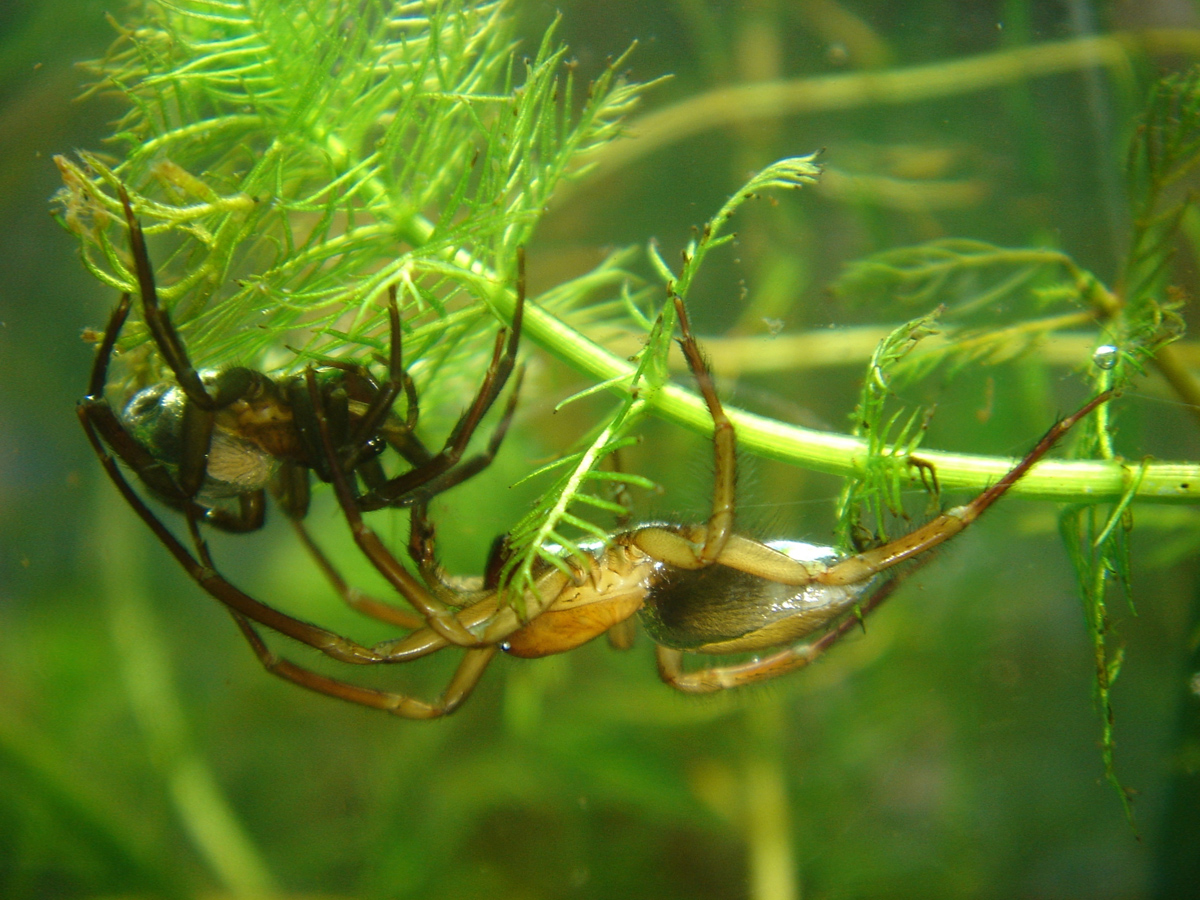
Water Spider
VUArgyroneta aquatica
Water Sundew
CRDrosera intermedia
Water Sundew faces severe threats from habitat destruction due to wetland drainage, peat bog extraction, and agricultural conversion of its specialized carnivorous plant habitats. Climate change and altered hydrology further threaten the precise water level conditions this species requires, while pollution from agricultural runoff and development degrades the nutrient-poor environments essential for its survival.

Water-gladiolus
CRButomus umbellatus
Water-gladiolus faces severe threats from habitat destruction due to wetland drainage, water pollution, and agricultural conversion of its native freshwater environments. Climate change and altered hydrological regimes further threaten remaining populations, while invasive species competition reduces available habitat niches.

water-meadow grasshopper
VUChorthippus montanus

Water-soldier
CRStratiotes aloides
Water-soldier faces severe population declines across its range due to habitat destruction and degradation of freshwater ecosystems. Eutrophication from agricultural runoff and urban pollution has dramatically altered water chemistry in many of its native habitats, while drainage of wetlands for development has eliminated critical breeding and feeding areas.

Waterawlwort
CRSubularia aquatica
Waterawlwort faces severe threats from habitat degradation and loss of its specialized aquatic environments. Climate change and human activities are reducing the availability of suitable shallow water habitats, while water pollution and eutrophication degrade remaining populations.
Watteporling
VUAnomoloma myceliosum
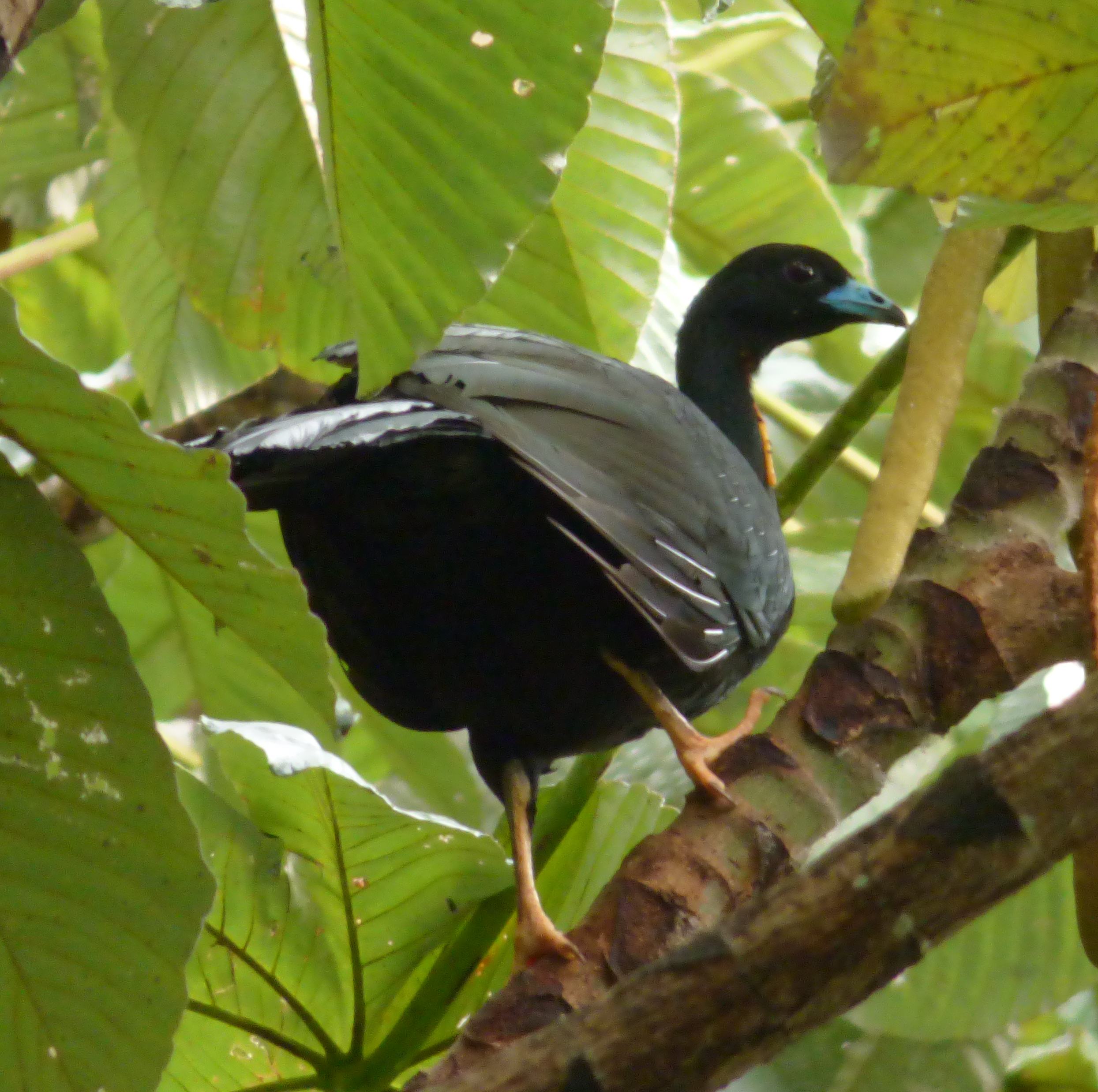
Wattled Guan
VUAburria aburri

Wavy Waternymph
CRNajas flexilis
Wavy Waternymph faces severe threats from habitat degradation due to water pollution, eutrophication, and sedimentation that degrade the clear, nutrient-poor waters it requires. Urban development, agricultural runoff, and invasive species competition have led to dramatic population declines across much of its range. The species' sensitivity to water quality changes makes it particularly vulnerable to ongoing environmental pressures.
Wavy Webcap
VUCortinarius cumatilis
Waxyleaf Moss
VUDicranum polysetum

Weathered Earthstar
ENGeastrum corollinum

Weatherfish
CRMisgurnus fossilis
The Weatherfish faces severe population declines across its range due to widespread habitat destruction and degradation of freshwater ecosystems. Agricultural intensification, urban development, and water pollution have dramatically reduced suitable breeding and feeding habitats, while climate change and altered hydrological regimes further threaten remaining populations.

Web-footed Tenrec
VULimnogale mergulus
Wedge Flapwort
CRLeptoscyphus cuneifolius
Wedge Flapwort faces severe threats from habitat destruction due to deforestation, agricultural expansion, and urban development across its limited range. The species' specialized habitat requirements and small population size make it extremely vulnerable to environmental changes and human disturbance. Climate change poses additional risks by altering the moisture and temperature conditions essential for this bryophyte's survival.
Weeping Toothcrust
VUDacryobolus sudans
Based on the available information, the primary threats to Weeping Toothcrust have not yet been formally assessed or documented by scientists. This means researchers have not systematically studied what dangers this fungus species might be facing in the wild. Without a proper threat assessment, it's unclear whether the risks to this species are getting worse, staying the same, or improving over time.
Weevil
VUOtiorhynchus rugifrons
Weevil
VUTropiphorus obtusus
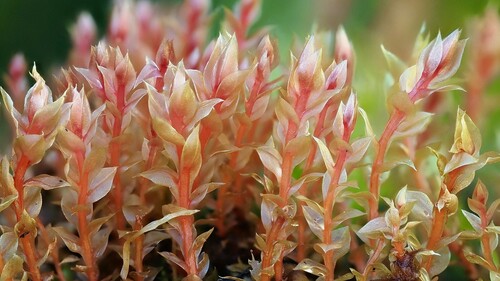
Weigel's Bryum Moss
CRBryum weigelii
Weigel's Bryum Moss faces severe threats from habitat degradation and loss of its specialized microhabitats. Climate change and human disturbance to its limited range pose significant risks to the remaining populations of this critically endangered bryophyte.
Weinland's Marsupial Frog
CRGastrotheca weinlandii
Weinland's Marsupial Frog faces severe threats from habitat destruction due to deforestation, agricultural expansion, and urban development throughout its limited range in the Caribbean. Climate change poses additional risks through altered precipitation patterns and temperature increases that affect breeding success and suitable habitat availability. The species' restricted distribution and specialized reproductive requirements make it particularly vulnerable to environmental changes.
Weißhaubiges Goldhaarmoos
VUOrthotrichum scanicum
Welligsporiger Rötling
VUEntoloma undulatosporum
Welsh Chafer
ENHoplia philanthus
Welsh Onion
ENAllium fistulosum

Werner's Largescale Lizard
VUPtychoglossus bicolor

wespreus
VUVolucella inanis
West Indian meadowbeauty
CRRhexia cubensis
West Indian meadowbeauty faces severe threats from habitat destruction due to urban development, agriculture, and coastal infrastructure projects throughout its limited range in the Caribbean. The species' restricted distribution to specific wetland habitats makes it particularly vulnerable to environmental changes and human encroachment. Climate change and sea level rise pose additional risks to its coastal and low-lying wetland ecosystems.

West Indian Nipple-cactus
CRMammillaria prolifera
The West Indian Nipple-cactus faces severe threats from habitat destruction due to coastal development, tourism infrastructure, and urban expansion across its limited Caribbean range. Climate change poses additional risks through sea level rise and increased hurricane intensity, while invasive plant species compete for the specialized rocky coastal habitats this cactus requires.
West Indian Spleenwort
ENAsplenium pteropus

West Indian topshell
VUCittarium pica

West Indian Treefern
VUCyathea arborea

Western Antvireo
VUDysithamnus occidentalis