Orthotrichum scanicum
Overview
A detailed profile for this species is sourced from the IUCN Red List of Threatened Species as assessments become available.
Weißhaubiges Goldhaarmoos faces severe decline due to air pollution, particularly nitrogen deposition and sulfur compounds that alter bark chemistry on its host trees. Urban development and intensive forestry practices have eliminated many suitable old-growth deciduous trees, while climate change creates drier conditions that stress this moisture-dependent bryophyte. The species' extremely limited dispersal ability prevents recolonization of restored habitats.
Habitat
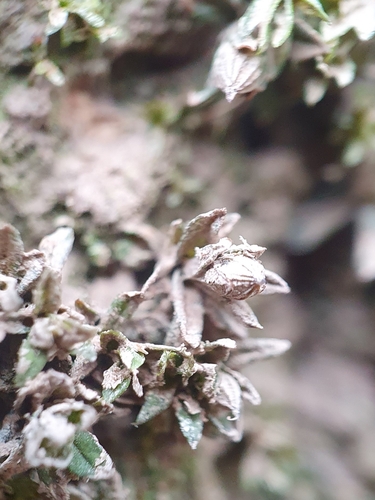
This rare moss grows exclusively on the bark of mature deciduous trees, particularly oak, ash, and maple, in humid old-growth forests and well-established parklands. It requires trees with rough, nutrient-rich bark in areas with high air humidity and minimal pollution.
Other threatened species in Orthotrichaceae
Frequently asked questions
Why is Orthotrichum scanicum classified as Vulnerable?
Where does Orthotrichum scanicum live?
What are the main threats to Orthotrichum scanicum?
Get weekly conservation intelligence
One short digest a week of the most striking species and country data we ship, plus breaking conservation news paired with our database where it matters.
Free, no spam. One-click unsubscribe in every email.