Carnaby's Black-cockatoo
Zanda latirostris
Overview
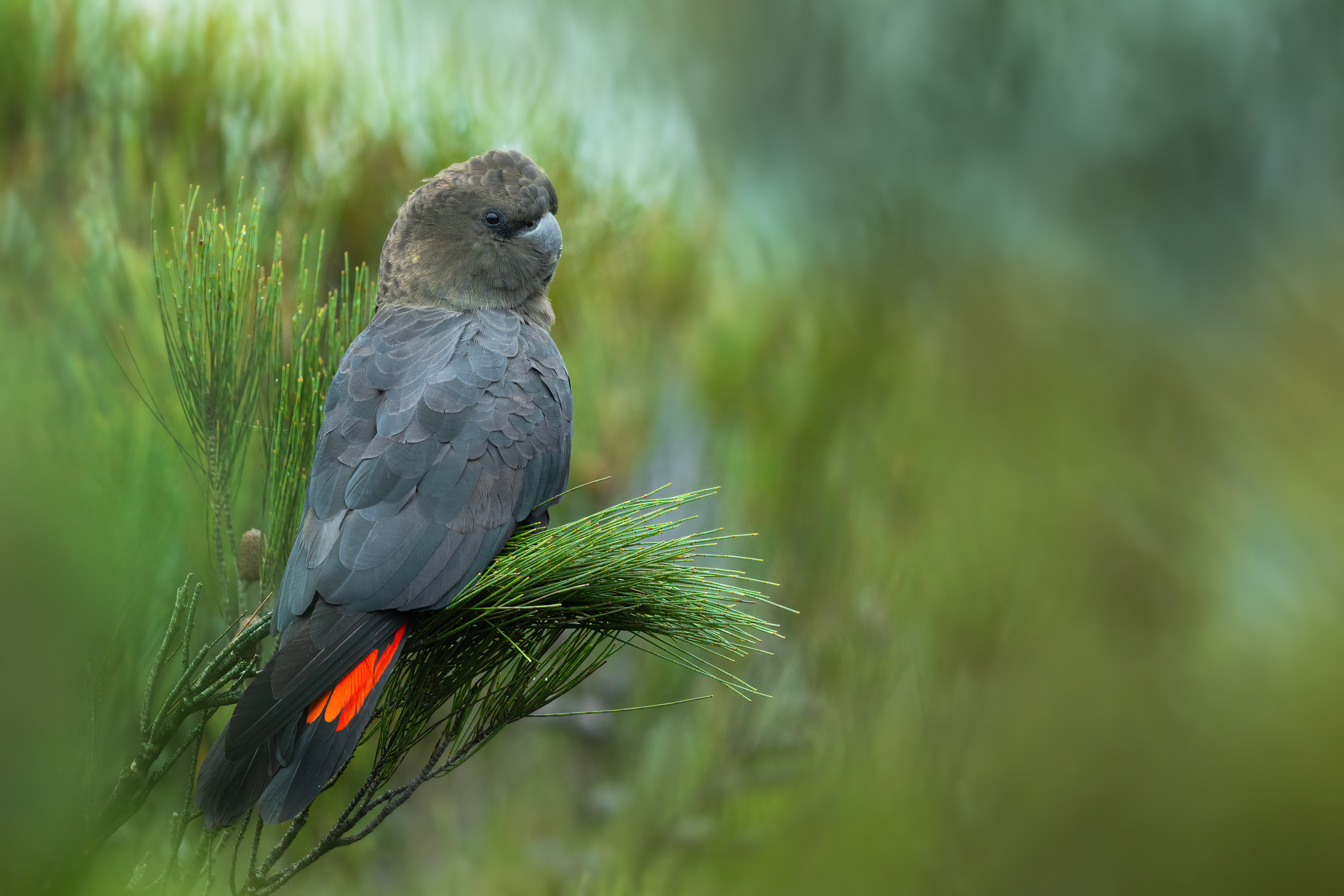
A large cockatoo endemic to Western Australia, this species is characterized by predominantly black-brown plumage, pale yellow cheek patches, a yellow panel on the tail, and a notably broad, short bill adapted for cracking hard seed pods. Highly social, it forms flocks that roost communally and forages on native proteaceous seeds, particularly from banksia, hakea, and dryandra species, as well as introduced pine seeds. It plays an important ecological role as a seed disperser and, through its foraging activity, contributes to nutrient cycling in shrubland and woodland systems.
Its range spans the south-west of Western Australia, encompassing eucalypt forest, kwongan shrubland, and, seasonally, coastal habitats used for roosting and foraging. Breeding occurs in the drier inland woodlands, where the birds depend on large, hollow-bearing eucalypts, while non-breeding populations migrate toward coastal regions.
Population decline stems from multiple compounding pressures: land clearing for urban development, agriculture, and plantations has destroyed both feeding and nesting habitat; competition for nest hollows arises from invasive species and other cavity-nesting birds; livestock grazing degrades understorey vegetation; mining and infrastructure development fragment remaining habitat; and illegal capture for the pet trade persists. Fire regimes and prolonged drought further reduce food availability and nesting success.
Conservation efforts include installation of artificial nesting hollows, protection and restoration of key foraging and breeding habitat, monitoring of roost sites, and legal protections under Australian environmental law restricting habitat clearing and trade. Community-based roost-count programs support ongoing population monitoring.
Despite these measures, the population continues to decline due to the scale of historical habitat loss and slow recovery of eucalypt hollows, which take decades to form. The species' long-term outlook remains dependent on sustained habitat protection and hollow availability.
Carnaby's Black-cockatoo is losing its natural habitat as land is cleared for cities and towns, farms growing crops, tree plantations, livestock grazing, and mining operations, while roads also fragment the remaining bush. The birds face additional pressures from illegal hunting and trapping, competition or disease from introduced species, and increasingly severe droughts and bushfires that destroy food sources and nesting trees. These threats are ongoing and show no signs of easing, suggesting the overall pressure on the species remains steady to intensifying.
Habitat
Conservation measures underway
Other threatened species in CACATUIDAE
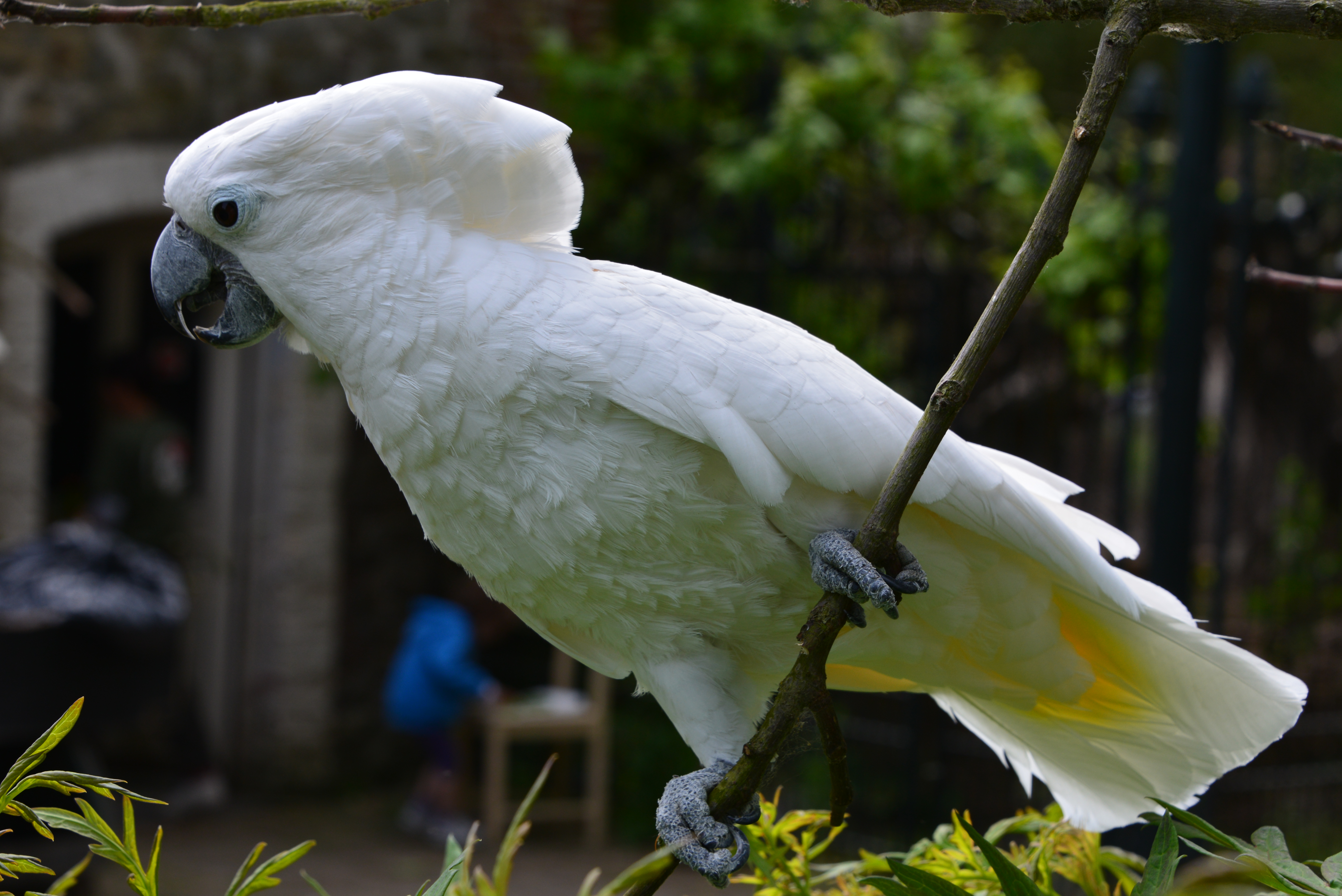


Threatened in Australia
Frequently asked questions
Why is Carnaby's Black-cockatoo classified as Endangered?
Where does Carnaby's Black-cockatoo live?
What are the main threats to Carnaby's Black-cockatoo?
Get weekly conservation intelligence
One short digest a week of the most striking species and country data we ship, plus breaking conservation news paired with our database where it matters.
Free, no spam. One-click unsubscribe in every email.