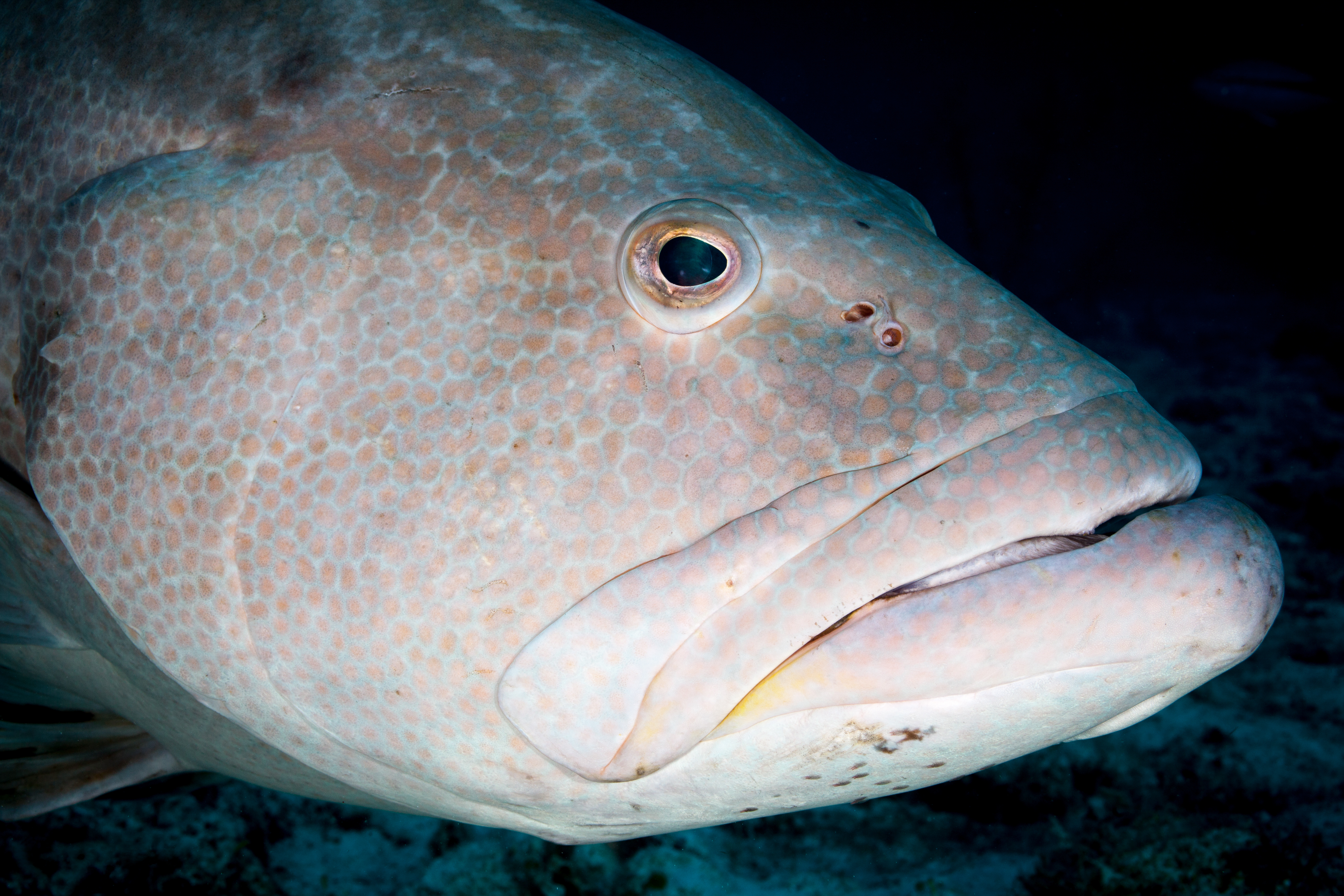
Venezuelan Grouper
Mycteroperca cidi
Overview
A detailed profile for this species is sourced from the IUCN Red List of Threatened Species as assessments become available.
The White Grouper faces severe pressure from commercial and artisanal fishing throughout its range, with populations declining due to overfishing and the species' slow reproductive rate. Habitat degradation of rocky reefs and coastal areas from coastal development and pollution further compounds population stress. The species' aggregating behavior during spawning makes it particularly vulnerable to targeted fishing pressure during critical reproductive periods.
Habitat
The White Grouper inhabits rocky reefs, coral formations, and hard bottom substrates in coastal and offshore waters of the eastern Atlantic. It typically occurs at depths ranging from shallow coastal areas to approximately 200 meters, preferring areas with complex bottom topography that provide shelter and feeding opportunities.
Other threatened species in Serranidae


Threatened in Colombia
Frequently asked questions
Why is Venezuelan Grouper classified as Vulnerable?
Where does Venezuelan Grouper live?
What are the main threats to Venezuelan Grouper?
Get weekly conservation intelligence
One short digest a week of the most striking species and country data we ship, plus breaking conservation news paired with our database where it matters.
Free, no spam. One-click unsubscribe in every email.