
whinchat
Saxicola rubetra
Photo: Photo: Wikimedia Commons, CC BY-SA
Overview
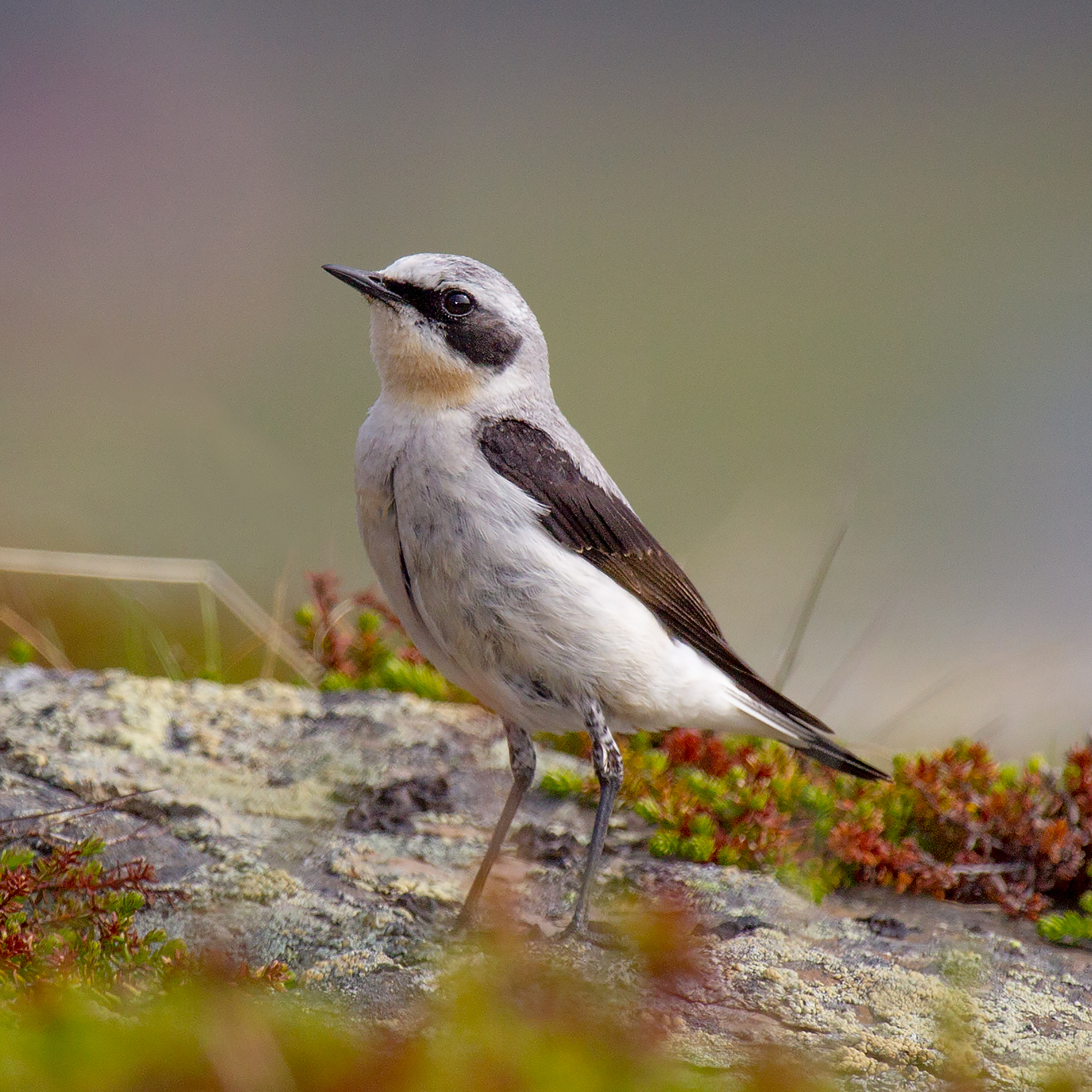
The whinchat is a small migratory passerine bird breeding in Europe and western Asia and wintering in central Africa. At one time considered to be in the thrush family, Turdidae, it is now placed in the Old World flycatcher family, Muscicapidae. Both sexes have a strong supercilium, brownish upper parts mottled darker, a pale throat and breast, a pale buff to whitish belly, and a blackish tail with white bases to the outer tail feathers, but in the breeding season, the male has an orange-buff throat and breast.
The whinchat faces severe population declines across its range due to widespread habitat loss and degradation of traditional grassland ecosystems. Agricultural intensification, including increased mowing frequency, pesticide use, and conversion of species-rich meadows to intensive farmland, has eliminated crucial breeding and foraging areas. Climate change further compounds these pressures by altering the timing of insect emergence and affecting the availability of suitable habitat.
Habitat
Open grasslands, hay meadows, rough pastures, and moorland edges with scattered bushes, posts, or tall vegetation for perching. Breeds in extensively managed agricultural areas with low-intensity farming practices, particularly traditional hay meadows and species-rich grasslands between 200-2000m elevation.
Other threatened species in Muscicapidae


Frequently asked questions
Why is whinchat classified as Critically Endangered?
Where does whinchat live?
What are the main threats to whinchat?
Get weekly conservation intelligence
One short digest a week of the most striking species and country data we ship, plus breaking conservation news paired with our database where it matters.
Free, no spam. One-click unsubscribe in every email.