CRCritically Endangered

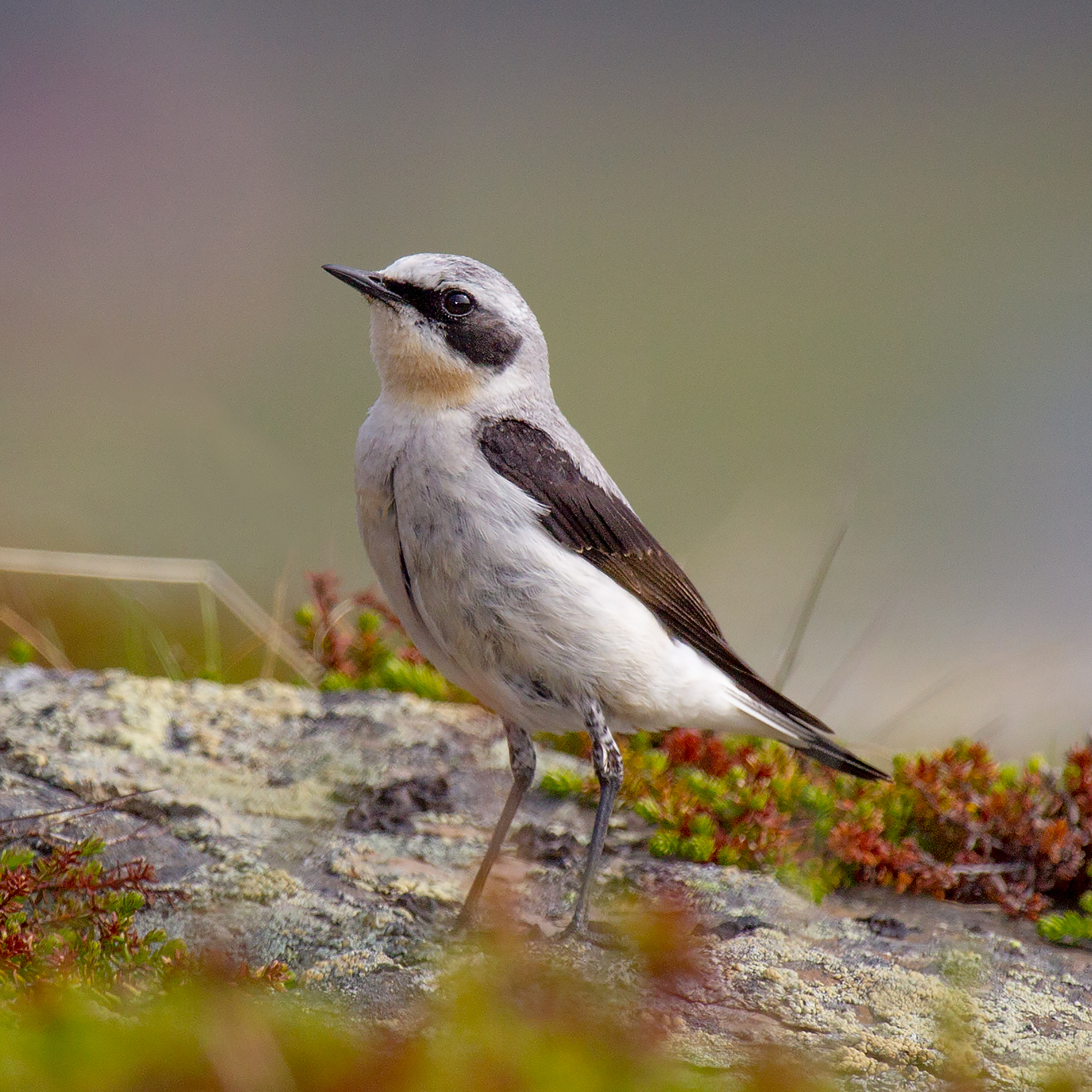
Wheatear

Oenanthe oenanthe

Conservation status data sourced from the IUCN Red List of Threatened Species.

01Classification

Taxonomy & Classification

Kingdom

Animalia

Phylum

Chordata

Class

Aves

Order

Passeriformes

Family

Muscicapidae

Genus

Oenanthe

Wheatear belongs to the family Muscicapidae, order Passeriformes, within the Aves class.

02Description

Species Profile

Species profile data sourced from the IUCN Red List of Threatened Species.

The Northern Wheatear faces severe population declines across its range due to habitat degradation and climate change impacts on its breeding and wintering grounds. Agricultural intensification has eliminated crucial grassland and moorland habitats, while changing precipitation patterns and rising temperatures disrupt insect prey availability during critical breeding periods.

Key Facts

IUCN StatusCritically Endangered (CR)
GroupBirds
03Habitat

Habitat & Distribution

Open grasslands, moorlands, heathlands, and alpine meadows typically above 200m elevation, requiring short-grass areas with scattered rocks, stone walls, or other perching sites for hunting insects. Also utilizes coastal dunes, upland pastures, and similar open habitats with sparse vegetation during breeding and migration.

TERRESTRIALMajor
04Threats

Threats

!

IUCN Red List: Critically Endangered

The Northern Wheatear faces severe population declines across its range due to habitat degradation and climate change impacts on its breeding and wintering grounds. Agricultural intensification has eliminated crucial grassland and moorland habitats, while changing precipitation patterns and rising temperatures disrupt insect prey availability during critical breeding periods.

Agricultural intensification and grassland conversion

HighOngoing

Climate change affecting breeding success and migration timing

HighOngoing

Habitat fragmentation in upland areas

HighOngoing

Pesticide use reducing insect prey availability

HighOngoing

Overgrazing and land use changes in wintering areas

MediumOngoing
07National Status

National vs Global Threat Status

How this species is assessed at the national level compared to its IUCN global status (CR).

CountryNational StatusGlobal StatusComparison
EULCLeast ConcernCRCritically EndangeredLower local risk

National Red List data sourced from the National Red List Project (nationalredlist.org, ZSL) and country-specific Red List authorities.

Community

Community Sightings

Report a sighting

No community sightings yet. Be the first to report!

07Sources

Sources & Attribution

How to Cite

IUCN: IUCN (2025). The IUCN Red List of Threatened Species. Version 2025-1. Available at: https://www.iucnredlist.org. doi:10.2305/IUCN.UK.2025-1.RLTS

GBIF: GBIF.org (2025). GBIF Home Page. Available at: https://www.gbif.org

National Red Lists: ZSL (2025). National Red List. Zoological Society of London. Available at: https://www.nationalredlist.org

This page: SpeciesRadar (2025). Wheatear (Oenanthe oenanthe). SpeciesRadar: Intelligence for Earth's Biodiversity. Available at: https://speciesradar.org/species/wheatear

Full citation guide & data usage terms