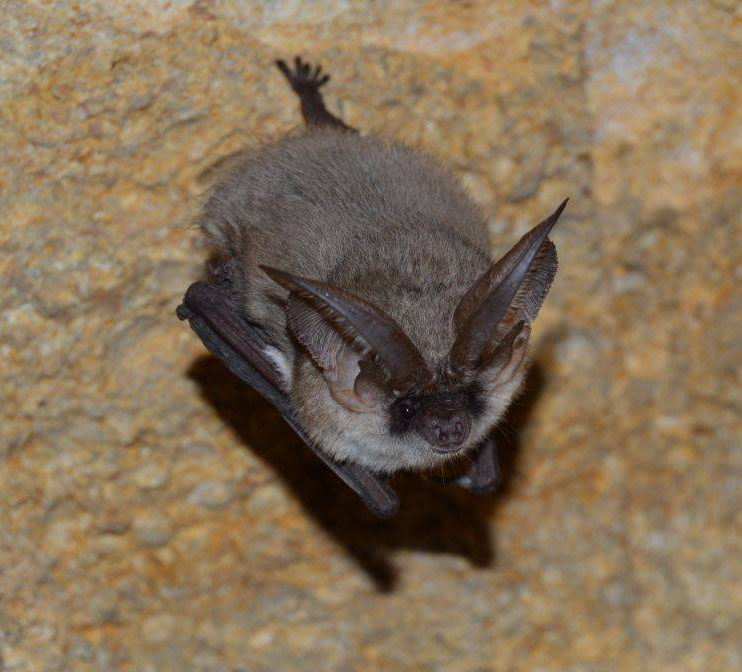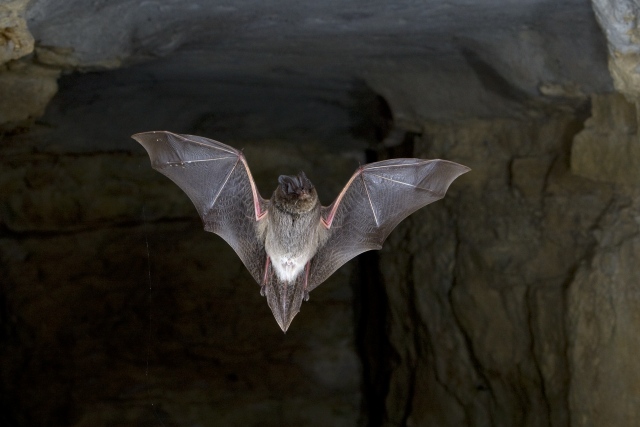
Western Barbastelle
CRCritically Endangered

Western Barbastelle

Barbastella barbastellus

Conservation status data sourced from the IUCN Red List of Threatened Species.

Photo: Wikimedia Commons (CC) via https://en.wikipedia.org/wiki/Western_barbastelle

01Classification

Taxonomy & Classification

Kingdom

Animalia

Phylum

Chordata

Class

Mammalia

Order

Chiroptera

Family

Vespertilionidae

Genus

Barbastella

Western Barbastelle belongs to the family Vespertilionidae, order Chiroptera, within the Mammalia class.

02Description

Species Profile

Species profile data sourced from the IUCN Red List of Threatened Species.

The Western Barbastelle faces severe population declines across its European range due to widespread habitat destruction and degradation of its specialized forest ecosystems. Climate change is altering the distribution and abundance of its preferred moth prey species, while increased pesticide use has dramatically reduced insect populations that this species depends upon for survival.

Key Facts

IUCN StatusCritically Endangered (CR)
GroupMammals
03Habitat

Habitat & Distribution

Mature deciduous and mixed woodlands, particularly beech and oak forests with dense canopy cover, where it roosts in tree crevices and old buildings. Also utilizes forest edges, parklands, and wooded river valleys, typically foraging along woodland paths and clearings at heights of 3-6 meters.

TERRESTRIALMajor
04Threats

Threats

!

IUCN Red List: Critically Endangered

The Western Barbastelle faces severe population declines across its European range due to widespread habitat destruction and degradation of its specialized forest ecosystems. Climate change is altering the distribution and abundance of its preferred moth prey species, while increased pesticide use has dramatically reduced insect populations that this species depends upon for survival.

Climate change affecting prey species distribution

HighOngoing

Forest habitat loss and fragmentation

HighOngoing

Pesticide use reducing insect prey availability

HighOngoing

Roost site destruction in old buildings and trees

HighOngoing

Light pollution disrupting foraging behavior

MediumOngoing
07National Status

National vs Global Threat Status

How this species is assessed at the national level compared to its IUCN global status (CR).

CountryNational StatusGlobal StatusComparison
EUVUVulnerableCRCritically EndangeredLower local risk

National Red List data sourced from the National Red List Project (nationalredlist.org, ZSL) and country-specific Red List authorities.

Community

Community Sightings

Report a sighting

No community sightings yet. Be the first to report!

07Sources

Sources & Attribution

How to Cite

IUCN: IUCN (2025). The IUCN Red List of Threatened Species. Version 2025-1. Available at: https://www.iucnredlist.org. doi:10.2305/IUCN.UK.2025-1.RLTS

GBIF: GBIF.org (2025). GBIF Home Page. Available at: https://www.gbif.org

National Red Lists: ZSL (2025). National Red List. Zoological Society of London. Available at: https://www.nationalredlist.org

This page: SpeciesRadar (2025). Western Barbastelle (Barbastella barbastellus). SpeciesRadar: Intelligence for Earth's Biodiversity. Available at: https://speciesradar.org/species/western-barbastelle

Full citation guide & data usage terms