Gonospermum oshanahanii
Overview
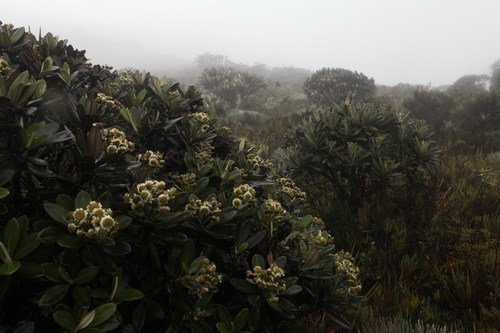
Gonospermum oshanahanii is a rare shrub in the daisy family (Asteraceae), endemic to the Canary Islands and known from only a very restricted range. Like many members of its genus, it forms a woody, perennial subshrub with clustered small yellow flowerheads, adapted to the volcanic, rocky substrates and steep ravine and cliff habitats characteristic of the archipelago's higher-elevation zones. Its narrow distribution confines it to specific microhabitats where soil, moisture, and exposure conditions are precisely suited to its ecology, making the species inherently vulnerable to any localized disturbance.
Gonospermum oshanahanii is classified as Critically Endangered (CR) by the IUCN, reflecting an extremely small and fragmented population that continues to decline. The primary pressures on this species stem from its restricted habitat range, which leaves it exposed to stochastic events, encroachment by invasive plants competing for limited growing space, and grazing pressure from feral or introduced herbivores that browse on native island flora. Climate variability affecting rainfall patterns on volcanic slopes further compounds the fragility of its already small population.
Conservation attention for Canary Islands endemics has grown substantially in recent decades, with regional botanical gardens and protected natural park designations helping to safeguard remaining populations of narrow-range endemics like this one. Seed banking initiatives across the islands offer a promising avenue for securing genetic material against further loss, and increased botanical survey work has improved understanding of the species' precise distribution, a positive step toward more targeted conservation action. Continued monitoring, invasive species control, and habitat protection within existing reserves remain critical to preventing further decline and stabilizing this Critically Endangered island endemic.
Tanacetum oshanahanii faces severe threats from habitat destruction due to agricultural expansion and urban development in its limited range. The species' extremely restricted distribution makes it particularly vulnerable to localized disturbances, while overgrazing by livestock has degraded remaining habitat patches. Climate change poses an additional threat through altered precipitation patterns affecting the specialized montane conditions this endemic species requires.
Habitat
This endemic species inhabits specialized montane environments, typically found in rocky slopes and alpine meadows at high elevations. It requires specific soil conditions and microclimatic factors that are naturally rare and highly localized within its restricted geographic range.
Conservation measures underway
Other threatened species in ASTERACEAE
Threatened in Spain
Frequently asked questions
Why is Gonospermum oshanahanii classified as Critically Endangered?
Where does Gonospermum oshanahanii live?
What are the main threats to Gonospermum oshanahanii?
Get weekly conservation intelligence
One short digest a week of the most striking species and country data we ship, plus breaking conservation news paired with our database where it matters.
Free, no spam. One-click unsubscribe in every email.