Sulcophanaeus auricollis
Overview
A detailed profile for this species is sourced from the IUCN Red List of Threatened Species as assessments become available.
Sulcophanaeus auricollis faces severe pressure from rapid deforestation across its Atlantic Forest range, with habitat conversion for agriculture and urban development fragmenting remaining forest patches. Mining activities and infrastructure development further degrade critical breeding and foraging areas. The species' dependence on large mammal dung makes it particularly vulnerable to defaunation, as hunting pressure reduces populations of its primary food sources.
Habitat
This dung beetle inhabits primary and secondary Atlantic Forest remnants in southeastern Brazil, particularly favoring areas with dense canopy cover and rich leaf litter. The species requires forest environments that support populations of large mammals whose dung provides essential breeding and feeding resources.
Other threatened species in Scarabaeidae
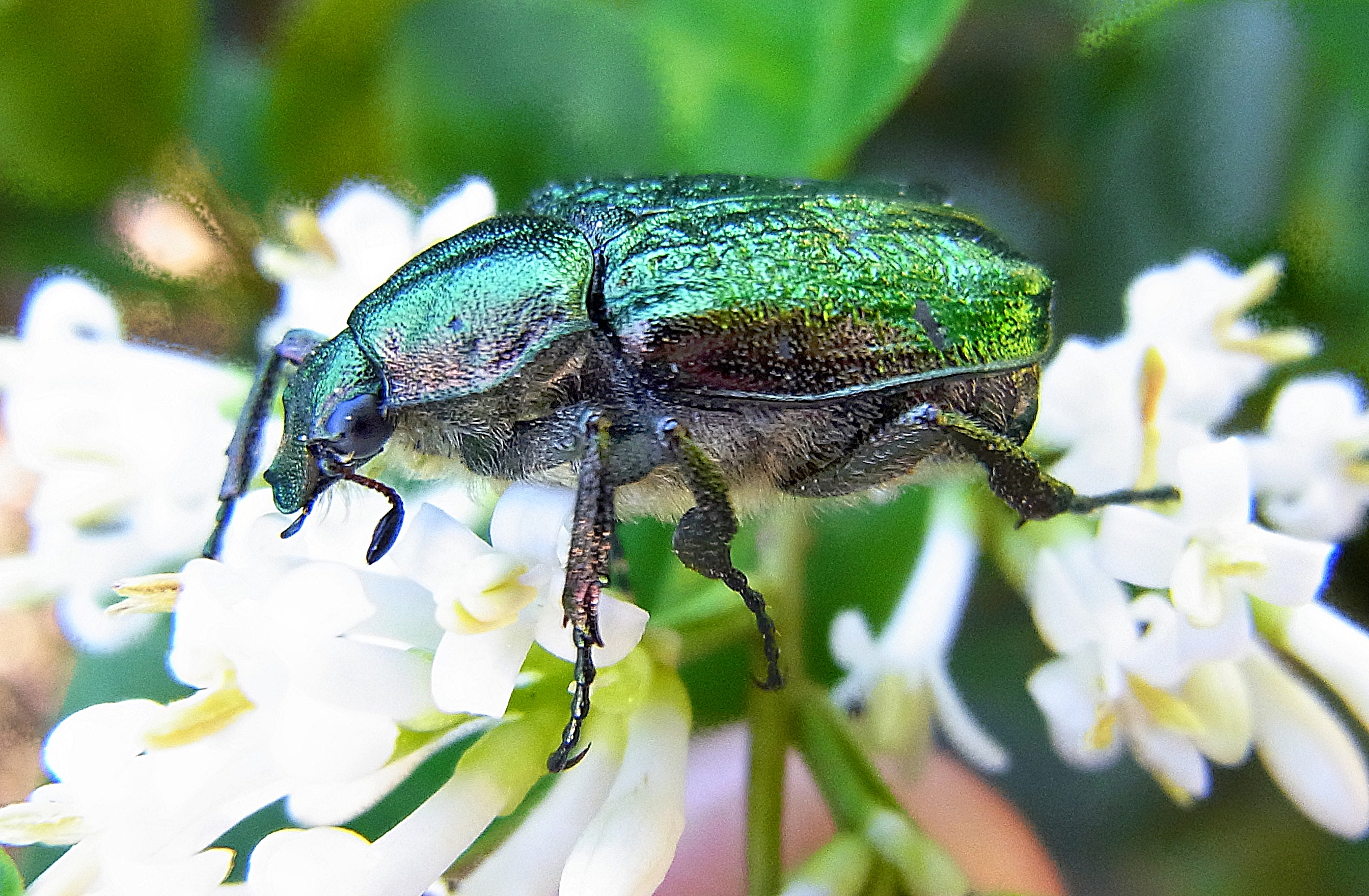
Threatened in Colombia
Frequently asked questions
Why is Sulcophanaeus auricollis classified as Vulnerable?
Where does Sulcophanaeus auricollis live?
What are the main threats to Sulcophanaeus auricollis?
Get weekly conservation intelligence
One short digest a week of the most striking species and country data we ship, plus breaking conservation news paired with our database where it matters.
Free, no spam. One-click unsubscribe in every email.