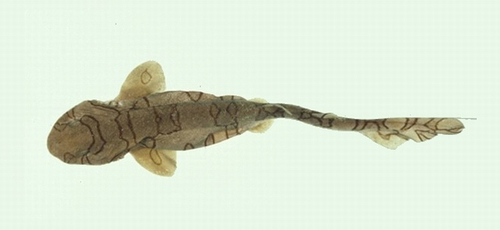
Reticulated Swellshark
Cephaloscyllium fasciatum
Photo: (c) 邵廣昭, einige Rechte vorbehalten (CC BY-NC)
Overview
Cephaloscyllium fasciatum, commonly known as the reticulated swellshark, is a small benthic shark species endemic to the coastal waters of southeastern Australia. This distinctive shark is characterized by its ability to inflate its body when threatened and its reticulated pattern of dark bands and spots across a lighter background. The species inhabits rocky reefs, kelp forests, and sandy bottoms in temperate waters, typically found at depths ranging from shallow intertidal zones to approximately 200 meters.
Reticulated swellsharks are nocturnal predators that feed primarily on small fish, crustaceans, and cephalopods. Their reproductive strategy involves laying leathery egg cases that attach to rocky substrates or vegetation. The species faces significant conservation challenges due to its limited geographic range and specific habitat requirements.
Primary threats include coastal development, pollution, fishing pressure, and habitat degradation from human activities. Climate change poses additional risks through ocean warming and acidification, which can affect prey availability and habitat quality. The species' slow reproductive rate and site fidelity make populations particularly vulnerable to local extinctions.
Conservation efforts focus on marine protected area establishment, fishing regulation enforcement, and habitat restoration programs. Research initiatives aim to better understand population dynamics, reproductive ecology, and critical habitat requirements to inform targeted conservation strategies for this critically endangered shark species.
The reticulated swellshark faces threats from coastal development, fishing pressure, and habitat degradation in its limited range along southeastern Australia. Pollution and climate change impacts, including ocean warming and acidification, further compromise the species' rocky reef and kelp forest habitats. The shark's slow reproductive rate and restricted distribution make populations particularly vulnerable to these cumulative pressures.
Habitat
Cephaloscyllium fasciatum inhabits rocky reefs, kelp forests, and sandy bottoms in temperate coastal waters of southeastern Australia. The species occurs from shallow intertidal zones to depths of approximately 200 meters, showing preference for areas with complex bottom structure that provide shelter and foraging opportunities.
Other threatened species in SCYLIORHINIDAE
Threatened in China
Frequently asked questions
Why is Reticulated Swellshark classified as Critically Endangered?
Where does Reticulated Swellshark live?
What are the main threats to Reticulated Swellshark?
Get weekly conservation intelligence
One short digest a week of the most striking species and country data we ship, plus breaking conservation news paired with our database where it matters.
Free, no spam. One-click unsubscribe in every email.