Indian Swellshark
Cephaloscyllium silasi
Overview
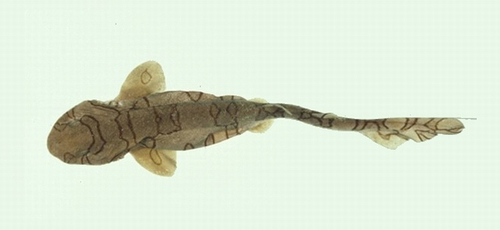
Cephaloscyllium silasi, commonly known as Silas' swellshark, is a species of catshark endemic to the waters off southwestern India. This small shark belongs to the family Scyliorhinidae and is characterized by its ability to inflate its body when threatened, a defensive mechanism typical of swellsharks. The species inhabits the continental shelf waters along the Indian coast, where it occupies benthic environments on sandy and muddy substrates.
Cephaloscyllium silasi has a relatively restricted distribution range, making it particularly vulnerable to localized threats. The species faces significant pressure from commercial fishing activities, particularly bottom trawling operations that are common in its habitat range. Bycatch in demersal fisheries represents a major threat, as these sharks are often caught incidentally during fishing operations targeting other species.
The limited geographic range of this species compounds the impact of fishing pressure, as there are few refuge areas where populations can recover. Habitat degradation from coastal development and pollution further threatens the species' survival. Currently, there are limited specific conservation measures in place for Cephaloscyllium silasi.
The species would benefit from targeted research to better understand its population status, reproductive biology, and ecological requirements. Implementation of fishing restrictions or marine protected areas within its range could help protect remaining populations. Enhanced monitoring of bycatch in commercial fisheries and improved fishing practices could reduce mortality rates and support population recovery efforts.
Cephaloscyllium silasi faces severe threats primarily from commercial fishing activities, especially bottom trawling operations where it is caught as bycatch. The species' restricted distribution range along the southwestern Indian coast makes it particularly vulnerable to localized fishing pressure and habitat degradation from coastal development.
Habitat
This species inhabits continental shelf waters off southwestern India, typically found on sandy and muddy benthic substrates. It occupies demersal environments in coastal marine waters within a geographically restricted range.
Other threatened species in SCYLIORHINIDAE
Threatened in India


Frequently asked questions
Why is Indian Swellshark classified as Critically Endangered?
Where does Indian Swellshark live?
What are the main threats to Indian Swellshark?
Get weekly conservation intelligence
One short digest a week of the most striking species and country data we ship, plus breaking conservation news paired with our database where it matters.
Free, no spam. One-click unsubscribe in every email.