Longhorned Pygmy Devil Ray
Mobula eregoodoo
Overview
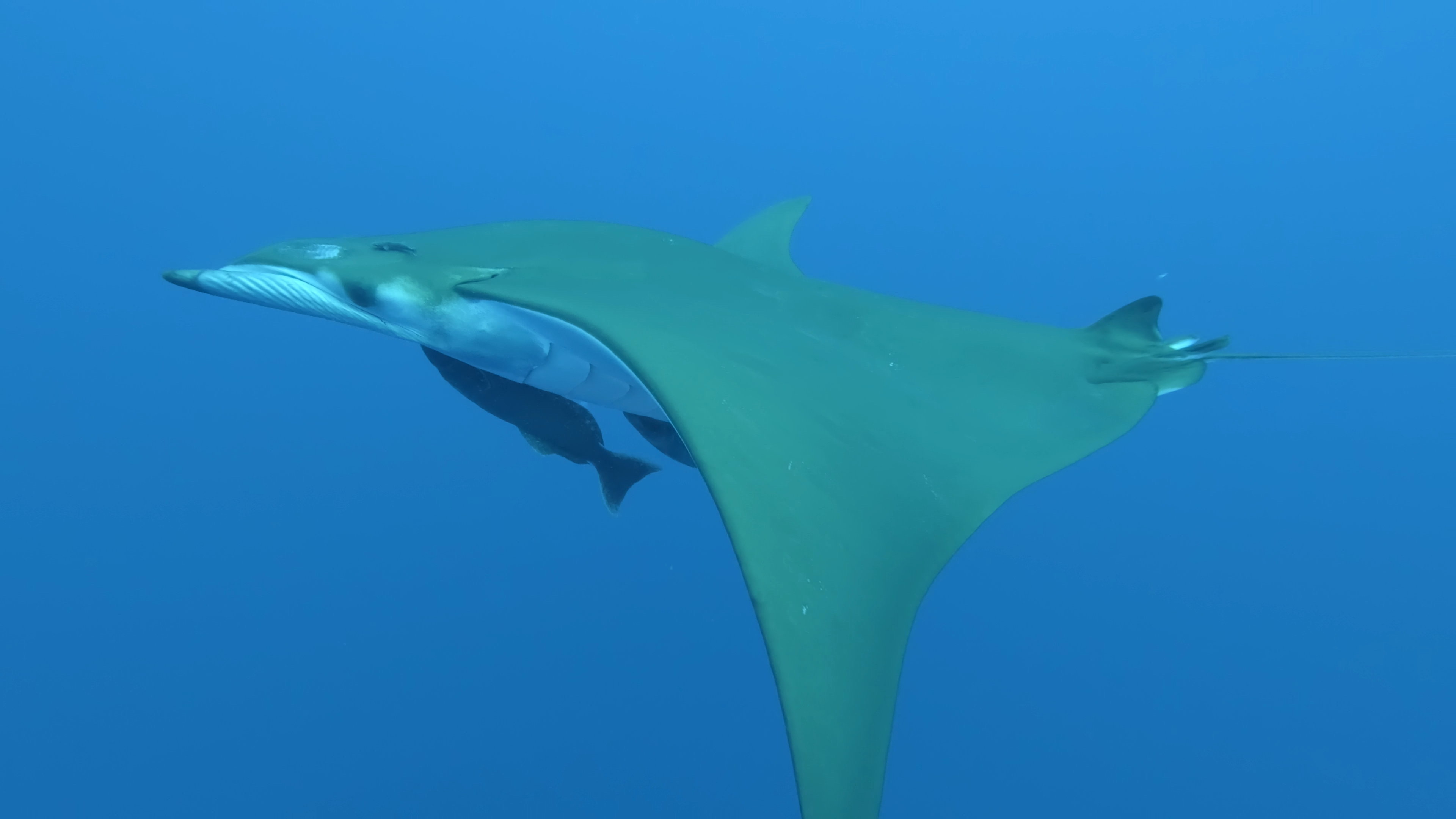
Mobula eregoodoo is a small ray belonging to the family Mobulidae, characterized by triangular pectoral fins, a pair of distinctive cephalic fins used to funnel plankton toward its mouth, and a slender, elongated tail. Like other devil rays, it is a filter feeder, consuming zooplankton and small schooling fish as it swims through open water, often near the surface. Individuals may travel alone or in small groups, and the species is thought to play a role in transferring nutrients and energy across marine food webs by supporting predator populations and cycling planktonic biomass.
This species inhabits marine neritic zones—shallow coastal waters over continental shelves—rather than the open ocean. Its recorded range includes the coastal waters of Australia, Indonesia, India, and South Africa, suggesting a broader Indo-Pacific and southwestern Indian Ocean distribution.
The species faces mounting pressure from targeted and incidental fishing, as devil rays are caught in gillnets and other gear used in regional fisheries, with their gill plates in particular demand in some markets. Habitat shifting and degradation, driven by coastal development and changing ocean conditions, further reduce the availability of suitable nearshore habitat. Pollution of unspecified origin and terrestrial logging activities, which can increase sediment and runoff into coastal waters, compound these pressures on water quality and prey availability.
Conservation responses include international trade regulations under CITES Appendix II, which governs the movement of mobulid ray products, along with regional fishing restrictions and bycatch mitigation efforts in some range states. Enforcement and monitoring remain limited across much of its range.
Given continued fishing pressure and habitat degradation, the population trend is decreasing, and the species is currently assessed as Endangered, with no clear indication of recovery.
The Longhorned Pygmy Devil Ray is mainly threatened by being caught (both on purpose and accidentally) in fishing nets and gear, as well as changes to its ocean habitat and pollution from unspecified sources. Coastal logging activities may also be affecting the coastal waters where it lives. These threats are currently ongoing and show no signs of slowing down.
Habitat
Conservation measures underway
Other threatened species in MOBULIDAE

Threatened in Australia
Frequently asked questions
Why is Longhorned Pygmy Devil Ray classified as Endangered?
Where does Longhorned Pygmy Devil Ray live?
What are the main threats to Longhorned Pygmy Devil Ray?
Get weekly conservation intelligence
One short digest a week of the most striking species and country data we ship, plus breaking conservation news paired with our database where it matters.
Free, no spam. One-click unsubscribe in every email.