
Neotropical Otter
Lontra longicaudis
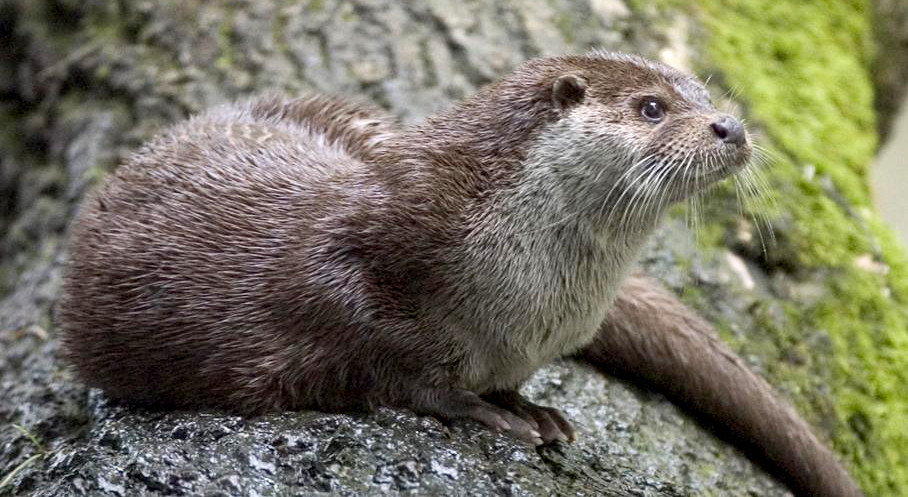
Photo: Wikimedia Commons (CC) via https://en.wikipedia.org/wiki/Neotropical_otter
Overview
A detailed profile for this species is sourced from the IUCN Red List of Threatened Species as assessments become available.
The Long-Tailed Otter faces severe pressure from habitat destruction as wetlands across its range are drained for agriculture and urban development. Water pollution from mining, industrial discharge, and agricultural runoff degrades the aquatic ecosystems this species depends on for hunting fish and crustaceans. Hunting for pelts and traditional medicine continues in some regions, while dam construction fragments river systems and disrupts the otter's movement patterns between territories.
Habitat
Long-Tailed Otters inhabit freshwater systems including rivers, streams, lakes, and marshes from Mexico through Central America to South America. They prefer areas with dense riparian vegetation that provides cover and abundant fish populations, typically avoiding heavily polluted or fast-flowing waters.
Other threatened species in Mustelidae


Frequently asked questions
Why is Neotropical Otter classified as Vulnerable?
Where does Neotropical Otter live?
What are the main threats to Neotropical Otter?
Get weekly conservation intelligence
One short digest a week of the most striking species and country data we ship, plus breaking conservation news paired with our database where it matters.
Free, no spam. One-click unsubscribe in every email.