
Island Mackerel
Rastrelliger faughni
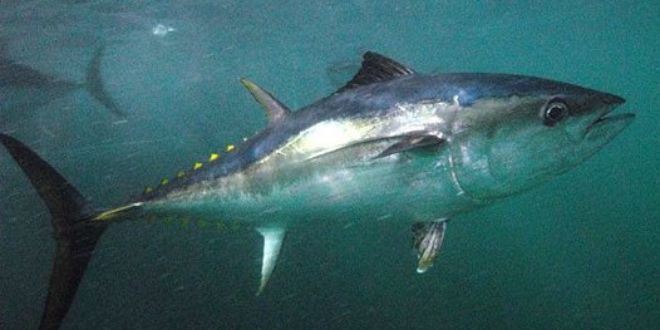
Photo: Wikimedia Commons (CC) via https://en.wikipedia.org/wiki/Island_mackerel
Overview
Rastrelliger faughni is a small pelagic fish in the mackerel family, distinguished by a slender, compressed body, a slightly protruding lower jaw, and a series of dark spots along its upper flank, distinguishing it from its congener the short mackerel. It travels in large schools and feeds primarily on zooplankton, filtering prey through fine gill rakers as it swims through open water. As a mid-trophic species, it serves as an important prey source for larger predatory fish, seabirds, and marine mammals, linking planktonic productivity to higher trophic levels in coastal food webs.
The species inhabits neritic marine waters across a broad Indo-Pacific range, including the Philippines, Indonesia, Malaysia, Thailand, Vietnam, India, Bangladesh, Taiwan, Japan, Singapore, Australia, Tanzania, Fiji, and the Solomon Islands, typically remaining close to shore over continental shelves.
Population numbers are declining due to sustained overexploitation from both industrial and artisanal fisheries throughout its range, many of which lack effective catch limits. Coastal habitat degradation, pollution runoff, and disturbance of spawning grounds compound fishing pressure, reducing recruitment and reproductive success. Because the species schools densely and is targeted heavily by purse-seine and net fisheries, it is particularly vulnerable to rapid localized depletion.
Conservation responses vary by country and include seasonal fishing closures, licensing restrictions, and gear regulations in parts of Southeast Asia, alongside regional fisheries management initiatives aimed at small pelagic stocks. Enforcement and monitoring, however, remain inconsistent across its range, and stock assessments are limited in several countries.
Given continued fishing pressure, weak enforcement in many areas, and ongoing habitat and pollution stressors, the species' population trajectory is expected to remain downward absent stronger, coordinated regional management and improved compliance with existing regulations.
Island Mackerel are being caught faster than they can reproduce, by both large commercial fishing operations and smaller local fishing boats. Their coastal habitats are being damaged and polluted, and even the areas where they breed are being disrupted, making it harder for new fish to replace those that are caught. Since all these pressures are described as ongoing and occurring together, the overall threat level appears to be stable to intensifying rather than improving.
Habitat
This pelagic mackerel inhabits tropical and subtropical marine waters of the Indo-Pacific, typically found in coastal and offshore waters from the surface to depths of 200 meters. The species forms large schools in open ocean environments and moves to nearshore areas for spawning and feeding.
Conservation measures underway
Other threatened species in SCOMBRIDAE


Threatened in Australia
Frequently asked questions
Why is Island Mackerel classified as Vulnerable?
Where does Island Mackerel live?
What are the main threats to Island Mackerel?
Get weekly conservation intelligence
One short digest a week of the most striking species and country data we ship, plus breaking conservation news paired with our database where it matters.
Free, no spam. One-click unsubscribe in every email.