Greenlip Abalone
Haliotis laevigata
Overview
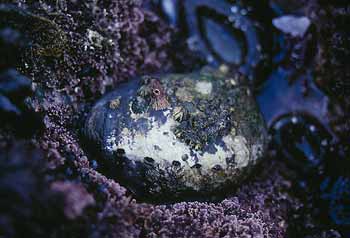
Haliotis laevigata is a large marine gastropod recognized by its flattened, ear-shaped shell, smooth exterior, and a row of respiratory pores along one edge. The shell interior displays a distinctive iridescent nacre. Individuals graze on macroalgae, using a muscular foot to cling to rocky substrates, and play a role in shaping benthic algal communities through their herbivory.
As a broadcast spawner, this species releases eggs and sperm into the water column, relying on external fertilization and dispersal of larvae to colonize new habitat.
The species is endemic to the temperate coastal waters of southern Australia, inhabiting marine neritic zones characterized by rocky reefs and subtidal habitats suitable for algal grazing.
Population decline is driven by a combination of pressures. Commercial and recreational fishing and harvesting have long targeted this species for its meat, and unregulated or illegal take continues to affect populations. Poaching, sometimes framed as hunting or trapping activity, adds further pressure beyond regulated quotas.
Disease outbreaks, including viral ganglioneuritis, have caused localized mass mortality events. Competition or predation pressure from native species can compound stress on recovering populations. Habitat alteration from coastal development and sedimentation affects reef quality, while marine heatwaves and rising sea temperatures have caused mass die-offs and reduced reproductive success in shallow reef habitats.
Conservation measures include size limits, catch quotas, licensing systems, and periodic closures within Australian abalone fisheries, along with monitoring programs tracking stock biomass and disease incidence. Some regions have implemented marine protected areas encompassing reef habitat.
Population trends remain in decline despite management efforts, with climate-driven mortality events and disease posing ongoing challenges alongside harvest pressure, suggesting continued vulnerability without stronger climate resilience measures.
Greenlip Abalone are mainly threatened by overharvesting from fishing, as well as diseases and competition from other species (both introduced and native) that can harm their populations. Rising ocean temperatures and extreme weather events are also altering their coastal habitat, making survival more difficult. These combined pressures appear to be ongoing and stable rather than clearly increasing or decreasing.
Habitat
Other threatened species in HALIOTIDAE


Threatened in Australia
Frequently asked questions
Why is Greenlip Abalone classified as Vulnerable?
Where does Greenlip Abalone live?
What are the main threats to Greenlip Abalone?
Get weekly conservation intelligence
One short digest a week of the most striking species and country data we ship, plus breaking conservation news paired with our database where it matters.
Free, no spam. One-click unsubscribe in every email.