
White Abalone
Haliotis sorenseni

Photo: Wikimedia Commons (CC) via https://en.wikipedia.org/wiki/Haliotis_sorenseni
Overview
The white abalone, scientific name Haliotis sorenseni, is a species of large sea snail, a marine gastropod mollusk in the family Haliotidae, the abalone.
Haliotis sorenseni faces severe population decline primarily due to overharvesting for commercial and recreational abalone fishing, which has reduced populations to critically low levels. Ocean warming and acidification associated with climate change threaten the species' kelp forest habitat and reduce calcium carbonate availability needed for shell formation. Disease outbreaks, particularly withering syndrome caused by Candidatus Xenohaliotis californiensis, have devastated remaining populations along the California coast.
Habitat
Haliotis sorenseni inhabits rocky subtidal zones along the California coast, typically found in kelp forests and rocky reefs at depths of 6-40 meters. The species requires hard substrate for attachment and feeds primarily on drift kelp and other marine algae in these temperate marine ecosystems.
Conservation measures underway
Other threatened species in HALIOTIDAE
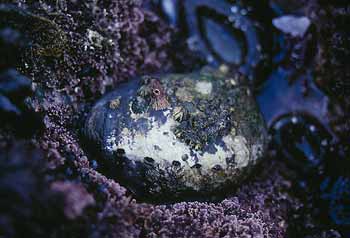

Threatened in Mexico
Frequently asked questions
Why is White Abalone classified as Critically Endangered?
Where does White Abalone live?
What are the main threats to White Abalone?
Get weekly conservation intelligence
One short digest a week of the most striking species and country data we ship, plus breaking conservation news paired with our database where it matters.
Free, no spam. One-click unsubscribe in every email.