Speartooth Shark
Glyphis glyphis
Overview
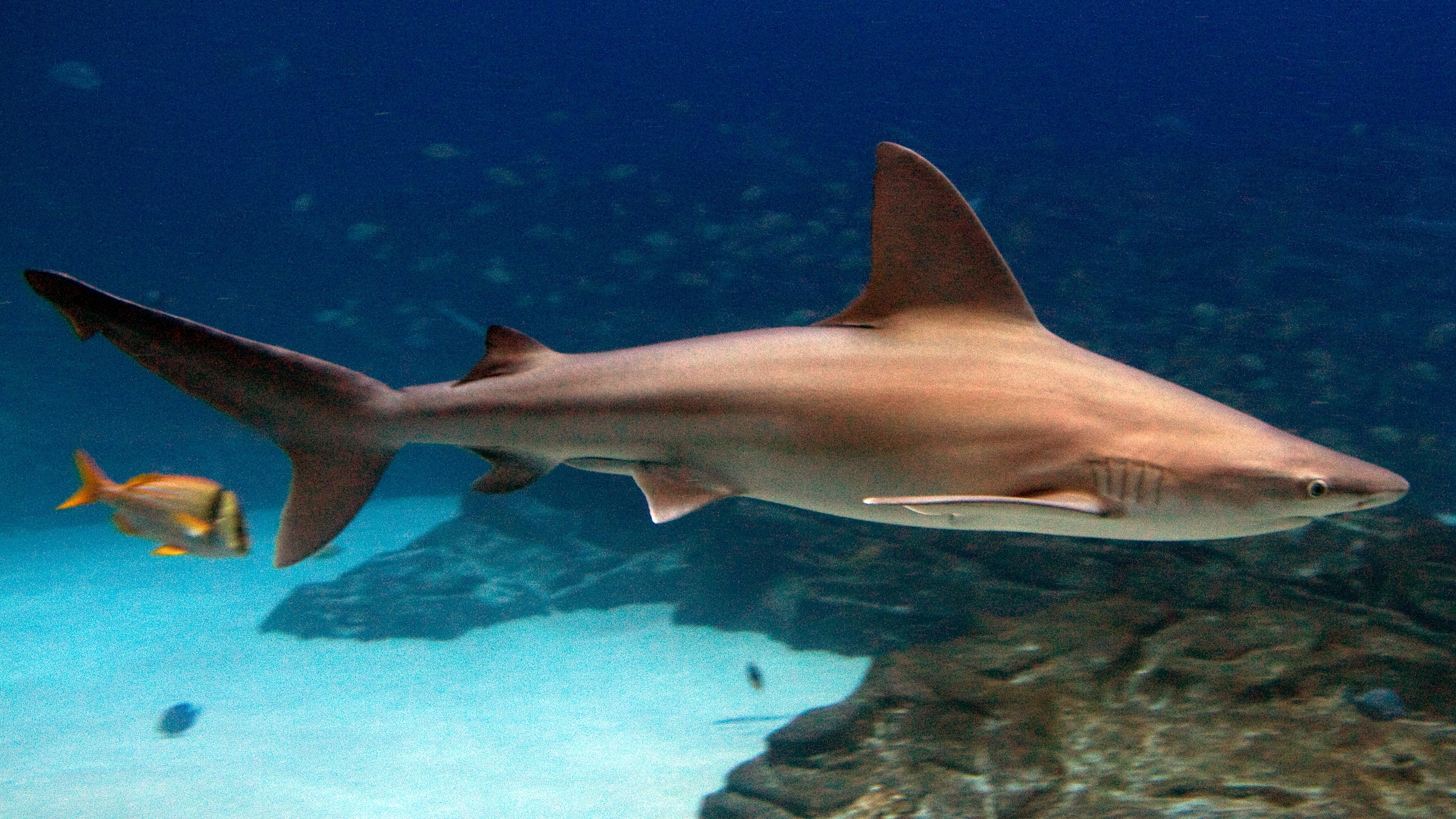
Glyphis glyphis is a rare species of river shark distinguished by a broad, short snout, small eyes adapted to turbid water, and a spear-shaped second dorsal fin from which its common name derives. It is a euryhaline predator, tolerating a wide range of salinities as it moves between freshwater rivers and coastal marine waters. As a mid-to-upper level predator, it feeds on fish and crustaceans, helping regulate prey populations within the estuarine and riverine food webs it occupies.
The species is known from a limited number of river systems in northern Australia and Papua New Guinea, inhabiting permanent rivers, streams, and adjoining tidal wetlands, as well as nearshore marine and coastal waters. Juveniles typically use turbid freshwater and estuarine nursery areas, while adults range more widely into coastal habitats.
Its restricted, fragmented range makes it particularly vulnerable to habitat disturbance. Mining and quarrying activity, road and rail construction, and logging degrade riverbank and catchment habitats, increasing sedimentation and altering water flow. Dam construction and water management projects fragment river systems and disrupt the connectivity needed for migration between nursery and adult habitats.
Incidental capture in gillnets and other fishing gear targeting estuarine and coastal species remains an ongoing source of mortality.
Conservation measures include listing under Australian and international protective frameworks, restrictions on take in some jurisdictions, targeted research and monitoring programs to better define population size and habitat use, and community engagement efforts in Papua New Guinea aimed at reducing bycatch.
Population trends remain in decline, and given the species' narrow habitat requirements, limited range, and continued exposure to habitat modification and fishing pressure, its conservation status is unlikely to improve without sustained, coordinated management across both range countries.
The Speartooth Shark faces ongoing habitat disruption from mining and quarrying operations, road and railroad construction, and logging activities near its river and coastal habitats, all of which can degrade water quality and disturb the waterways it depends on. It is also caught unintentionally in fishing operations targeting other species, while dams and water management projects alter the natural river flows it needs to survive. These threats appear to be ongoing and persistent rather than easing, suggesting the pressures on this species remain steady over time.
Habitat
Conservation measures underway
Other threatened species in CARCHARHINIDAE

Threatened in Australia
Frequently asked questions
Why is Speartooth Shark classified as Vulnerable?
Where does Speartooth Shark live?
What are the main threats to Speartooth Shark?
Get weekly conservation intelligence
One short digest a week of the most striking species and country data we ship, plus breaking conservation news paired with our database where it matters.
Free, no spam. One-click unsubscribe in every email.