yellow bracelet
Floccularia luteovirens
Overview
Floccularia luteovirens, commonly known as flockskivling, is a distinctive mushroom species characterized by its yellowish-green cap with characteristic flocculent (woolly) scales and robust stem. This saprobic fungus plays a crucial ecological role in forest ecosystems by decomposing organic matter and forming mycorrhizal associations with tree roots, facilitating nutrient cycling and supporting forest health.
Floccularia luteovirens faces severe population declines primarily due to habitat loss from deforestation and agricultural conversion of its specialized forest ecosystems. Climate change and pollution are additional stressors affecting the delicate ecological conditions this species requires for survival.
Habitat
Flockskivling typically inhabits mature coniferous and mixed forests with rich, well-drained soils and abundant leaf litter or decaying wood. The species shows a preference for areas with consistent moisture levels and partial shade, often found growing near the base of old-growth trees or in forest clearings with scattered woody debris.
Other threatened species in Agaricaceae


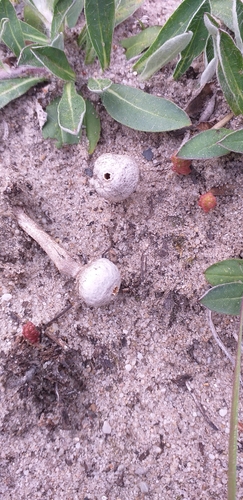
Threatened in Austria
Frequently asked questions
Why is yellow bracelet classified as Endangered?
Where does yellow bracelet live?
What are the main threats to yellow bracelet?
Get weekly conservation intelligence
One short digest a week of the most striking species and country data we ship, plus breaking conservation news paired with our database where it matters.
Free, no spam. One-click unsubscribe in every email.