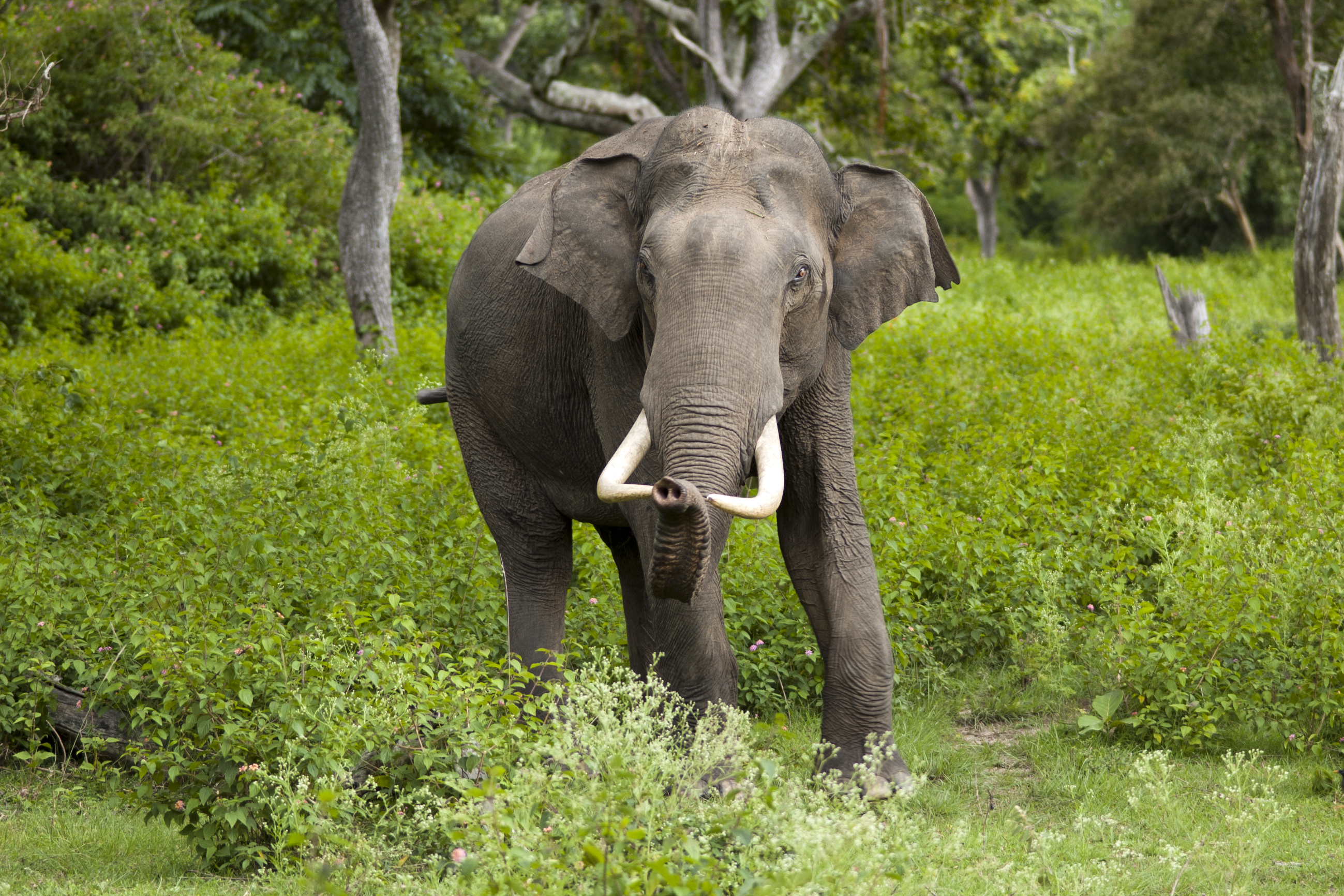
Asian Elephant
Elephas maximus
Photo: Wikimedia Commons (CC) via https://en.wikipedia.org/wiki/Asian_elephant
Overview
The Asian elephant is the largest terrestrial mammal in Asia, distinguished from its African counterpart by smaller, rounded ears and a single finger-like projection on its trunk. Adult males typically weigh 4,000-5,500 kg and stand 2.5-3 meters tall, while females are considerably smaller. These highly intelligent animals live in matriarchal herds and serve as ecosystem engineers, creating pathways through dense vegetation and dispersing seeds across vast distances, maintaining forest biodiversity.
Asian elephants inhabit 13 countries across South and Southeast Asia, from India and Nepal to Indonesia and southern China. They occupy diverse habitats including tropical moist lowland forests, dry deciduous forests, grasslands, and cultivated areas. The species requires large territories and seasonal migration routes to meet nutritional needs.
The primary threat is habitat fragmentation and loss due to agricultural expansion, urban development, and infrastructure projects like roads and dams that block traditional migration corridors. Human-elephant conflict intensifies as elephants raid crops, leading to retaliatory killings. Additional pressures include poaching for ivory and skin, logging operations, mining activities, and invasive plant species that degrade habitat quality.
Conservation efforts include establishing protected areas, creating wildlife corridors to connect fragmented habitats, and implementing human-elephant conflict mitigation strategies such as early warning systems and compensation schemes. Several countries have developed national elephant action plans, while international cooperation addresses transboundary conservation needs.
Despite these measures, the Asian elephant population continues declining. Habitat loss accelerates across much of their range, and human-wildlife conflict remains largely unresolved, indicating a challenging conservation outlook without significant policy interventions and landscape-level habitat protection.
Asian elephants face serious threats from human activities that destroy and fragment their natural habitats, including the conversion of forests to farmland and plantations, expansion of cities and towns, construction of roads and railways, and logging operations. Additionally, elephants are killed by hunters and trappers, and they increasingly come into deadly conflict with people as their remaining habitat shrinks and forces them closer to human settlements. These threats are ongoing and intensifying as human populations continue to grow and expand into elephant territory.
Habitat
Conservation measures underway
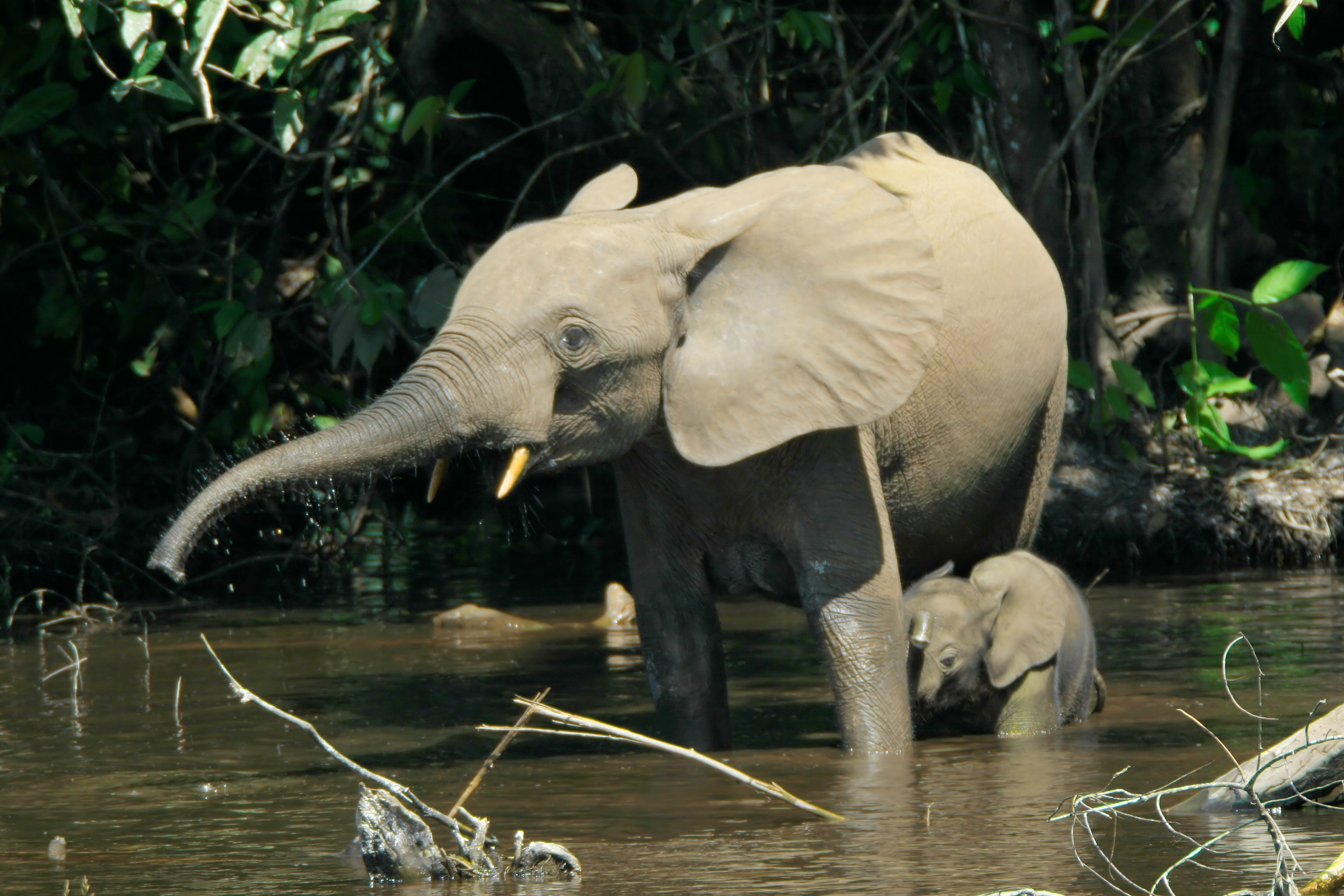
Other threatened species in ELEPHANTIDAE

Threatened in Bangladesh



Frequently asked questions
Why is Asian Elephant classified as Endangered?
Where does Asian Elephant live?
What are the main threats to Asian Elephant?
Get weekly conservation intelligence
One short digest a week of the most striking species and country data we ship, plus breaking conservation news paired with our database where it matters.
Free, no spam. One-click unsubscribe in every email.