Artemisia insipida
Overview
Armoise insipide (Artemisia insipida)
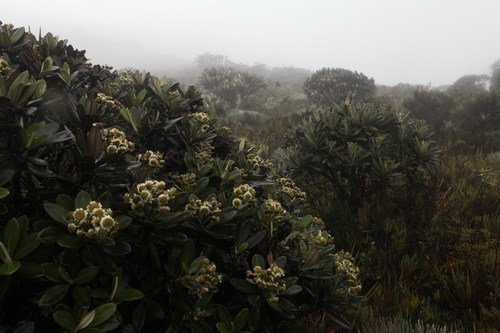
Armoise insipide is a perennial herbaceous plant belonging to the Asteraceae family. This aromatic shrub typically grows 30-60 cm in height, characterized by its silvery-grey, deeply divided leaves and small yellowish flower heads arranged in dense panicles. The species blooms from July to September and reproduces through both seeds and vegetative propagation via underground rhizomes.
The species is endemic to specific regions of Central Asia, particularly found in steppe and semi-desert environments. It thrives in well-drained, alkaline soils and demonstrates remarkable adaptation to harsh continental climates with extreme temperature variations. As a dominant component of steppe vegetation, it provides crucial habitat structure for various invertebrates and serves as forage for native herbivores.
Currently listed as Critically Endangered by the IUCN, Armoise insipide faces significant conservation challenges, though specific threat assessments remain incomplete. The species' restricted range makes it particularly vulnerable to habitat modifications and environmental changes. Agricultural expansion and land conversion in its native steppe regions likely contribute to population decline, though comprehensive threat analysis has not been conducted.
Conservation efforts for this species appear limited, reflecting broader challenges in protecting Central Asian steppe flora. The lack of detailed population data and threat assessments indicates insufficient research attention, which hampers effective conservation planning.
The current outlook for Armoise insipide remains uncertain due to inadequate monitoring and unknown population trends. Without comprehensive field surveys and threat assessments, determining the species' trajectory proves difficult, highlighting the urgent need for systematic botanical research in Central Asian ecosystems.
Based on the available information, the specific threats facing Armoise insipide (Artemisia insipida) have not yet been formally assessed or documented by conservation scientists. Without this threat assessment, it's not possible to identify what particular dangers this plant species may be facing in its natural habitat. The status of whether threats are increasing, stable, or decreasing cannot be determined until a proper scientific evaluation is completed.
Habitat
Conservation measures underway
Other threatened species in ASTERACEAE
Threatened in France
Frequently asked questions
Why is Artemisia insipida classified as Critically Endangered?
Where does Artemisia insipida live?
What are the main threats to Artemisia insipida?
Get weekly conservation intelligence
One short digest a week of the most striking species and country data we ship, plus breaking conservation news paired with our database where it matters.
Free, no spam. One-click unsubscribe in every email.