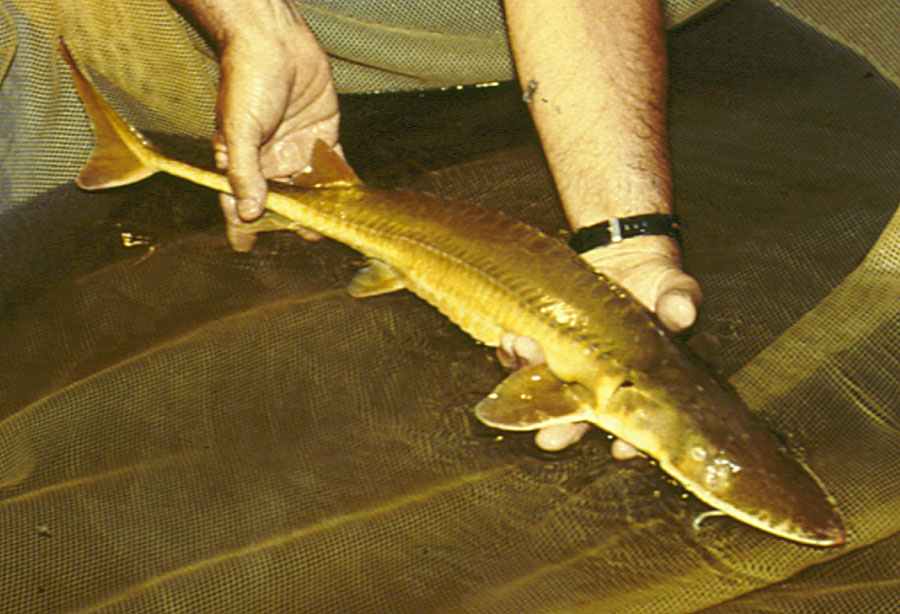
Alabama Sturgeon
Scaphirhynchus suttkusi
Photo: Photo: Wikimedia Commons, CC BY-SA
Overview
Alabama Sturgeon (Scaphirhynchus suttkusi)
The Alabama sturgeon is a small freshwater fish measuring 60-76 cm in length, characterized by its elongated snout, barbels for bottom-feeding, and distinctive bony plates called scutes along its body. As a benthic species, it feeds primarily on aquatic invertebrates, small fish, and organic matter from river bottoms. Like other sturgeons, it plays a crucial role in nutrient cycling within freshwater ecosystems and serves as an indicator of river health.
This endemic species historically inhabited the Mobile River Basin in Alabama and Mississippi, specifically the Alabama, Cahaba, and Tombigbee rivers. It requires free-flowing river systems with gravel and sand substrates for spawning and feeding. The species undertakes seasonal migrations between different river reaches.
The Alabama sturgeon faces severe threats from habitat fragmentation caused by dam construction, which blocks migration routes and alters flow patterns essential for reproduction. Water quality degradation from agricultural runoff, industrial pollution, and sedimentation has further compromised its habitat. Channelization and dredging activities have destroyed critical spawning areas and feeding grounds.
Conservation efforts include habitat restoration projects, dam removal considerations, and water quality improvement initiatives within the Mobile River Basin. The species is protected under the Endangered Species Act, and researchers are conducting population surveys and genetic studies to better understand remaining populations.
The current outlook remains precarious, with no confirmed sightings in recent years despite extensive survey efforts. The species may already be functionally extinct, though definitive population status remains unknown due to the difficulty of detecting remaining individuals in the wild.
Based on the provided threat data, the specific threats to Alabama Sturgeon have not been assessed or documented in detail. Without a formal threat assessment, it's not possible to identify the particular dangers this species faces, such as dam construction blocking migration routes, water pollution from industrial sources, or overfishing. The status of threats cannot be determined as increasing, stable, or decreasing without proper threat assessment data.
Habitat
Conservation measures underway
Other threatened species in ACIPENSERIDAE
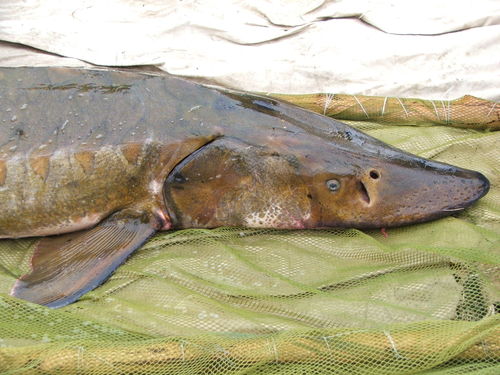

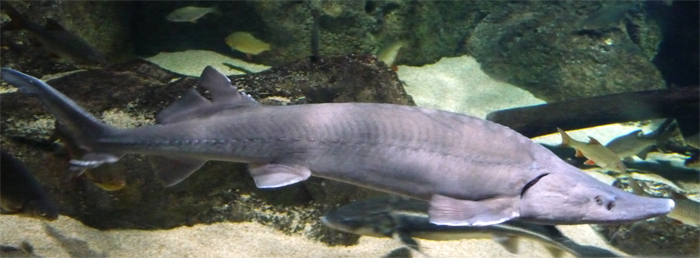
Threatened in United States
Frequently asked questions
Why is Alabama Sturgeon classified as Critically Endangered?
Where does Alabama Sturgeon live?
What are the main threats to Alabama Sturgeon?
Get weekly conservation intelligence
One short digest a week of the most striking species and country data we ship, plus breaking conservation news paired with our database where it matters.
Free, no spam. One-click unsubscribe in every email.