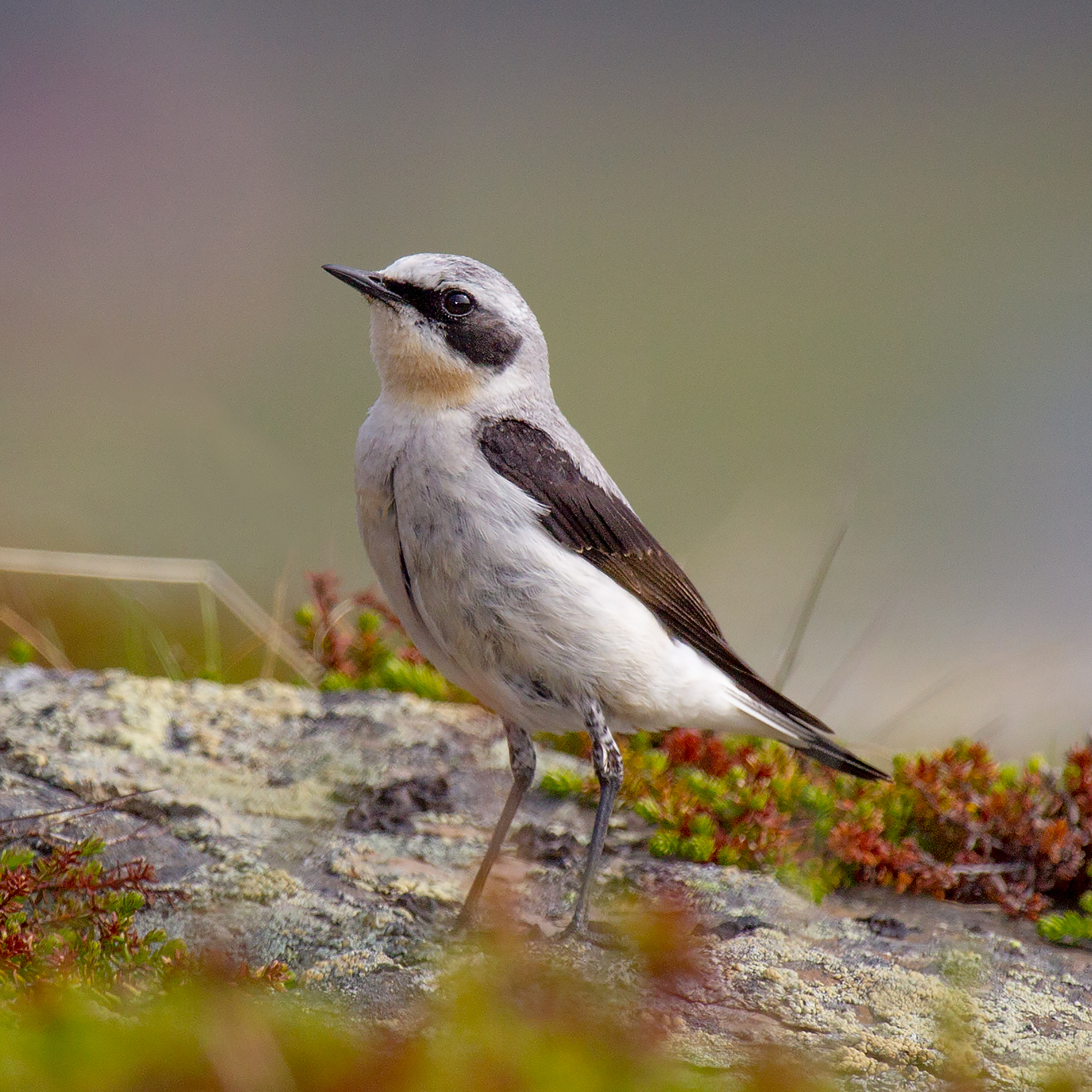
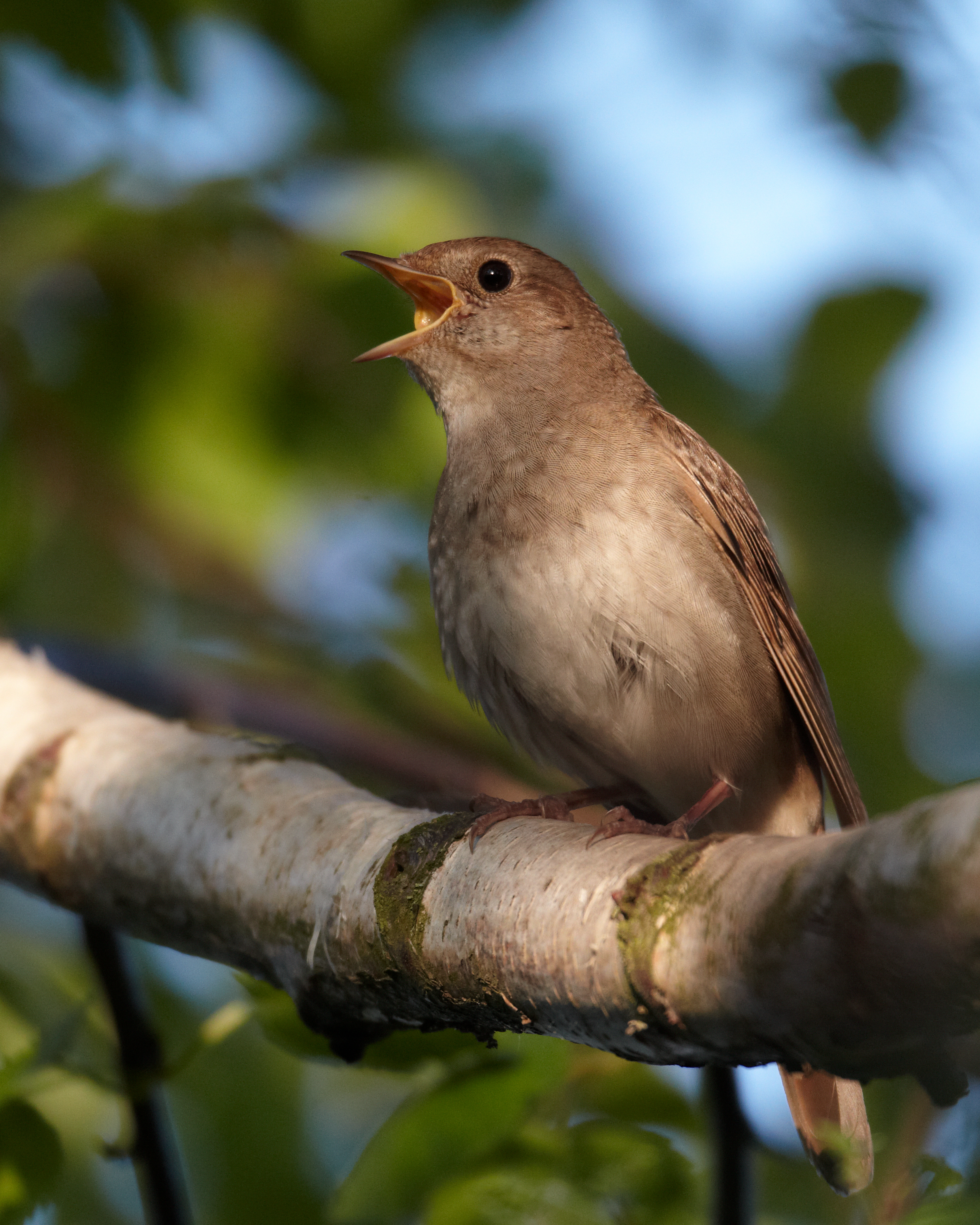
African stonechat
Saxicola torquatus
The African stonechat or common stonechat is a species of the Old World flycatcher family (Muscicapidae), inhabiting sub-Saharan Africa and adjacent regions. Like the other chats, it was long assigned to the thrush family (Turdidae), to which the chats are convergent.
Photo: Wikimedia Commons (CC) via https://en.wikipedia.org/wiki/African_stonechat
Taxonomy & Classification
Kingdom
Animalia
Phylum
Chordata
Class
Aves
Order
Passeriformes
Family
Muscicapidae
Genus
Saxicola
African stonechat belongs to the family Muscicapidae, order Passeriformes, within the Aves class.
Species Profile
The African stonechat or common stonechat is a species of the Old World flycatcher family (Muscicapidae), inhabiting sub-Saharan Africa and adjacent regions. Like the other chats, it was long assigned to the thrush family (Turdidae), to which the chats are convergent. Its scientific name refer to its appearance and habitat and means "collared rock-dweller": Saxicola from Latin saxum ("rock") + incola, torquatus, Latin for "collared".
The African stonechat faces severe population declines primarily due to widespread habitat loss from agricultural expansion and urbanization across its range. Climate change is altering precipitation patterns and vegetation composition in its preferred grassland and scrubland habitats, while overgrazing by livestock degrades the open areas it requires for foraging.
Key Facts
Habitat & Distribution
It has a scattered distribution across much of sub-Saharan Africa, occurring locally as far north as Senegal and Ethiopia. Outlying populations are found the mountains of southwest Arabia and on Madagascar and Grande Comore. It is non-migratory, moving only locally if at all. As a result, it has developed much regional variation, being divided into 13 subspecies.
Threats
IUCN Red List: Endangered
The African stonechat faces severe population declines primarily due to widespread habitat loss from agricultural expansion and urbanization across its range. Climate change is altering precipitation patterns and vegetation composition in its preferred grassland and scrubland habitats, while overgrazing by livestock degrades the open areas it requires for foraging.
Agricultural expansion and conversion of grasslands
Urbanization and infrastructure development
Climate change altering vegetation patterns
Invasive plant species changing habitat structure
Overgrazing by livestock degrading habitat quality
National vs Global Threat Status
How this species is assessed at the national level compared to its IUCN global status (EN).
| Country | National Status | Global Status | Comparison |
|---|---|---|---|
| EU | LCLeast Concern | ENEndangered | Lower local risk |
| EU | LCLeast Concern | ENEndangered | Lower local risk |
National Red List data sourced from the National Red List Project (nationalredlist.org, ZSL) and country-specific Red List authorities.
Community Sightings
Report a sightingNo community sightings yet. Be the first to report!
Sources & Attribution
How to Cite
IUCN: IUCN (2025). The IUCN Red List of Threatened Species. Version 2025-1. Available at: https://www.iucnredlist.org. doi:10.2305/IUCN.UK.2025-1.RLTS
GBIF: GBIF.org (2025). GBIF Home Page. Available at: https://www.gbif.org
National Red Lists: ZSL (2025). National Red List. Zoological Society of London. Available at: https://www.nationalredlist.org
This page: SpeciesRadar (2025). African stonechat (Saxicola torquatus). SpeciesRadar: Intelligence for Earth's Biodiversity. Available at: https://speciesradar.org/species/african-stonechat