Actinemys marmorata
Overview
A detailed profile for this species is sourced from the IUCN Red List of Threatened Species as assessments become available.
The Western Pond Turtle faces severe population declines primarily due to habitat destruction from urban development and agricultural conversion throughout its California and Oregon range. Introduced predators, particularly bullfrogs and non-native fish, prey heavily on eggs and juveniles, while invasive red-eared sliders compete for basking sites and nesting areas. Water diversions and dam construction have altered natural flow regimes in many watersheds, reducing suitable aquatic habitat and disrupting breeding cycles.
Habitat
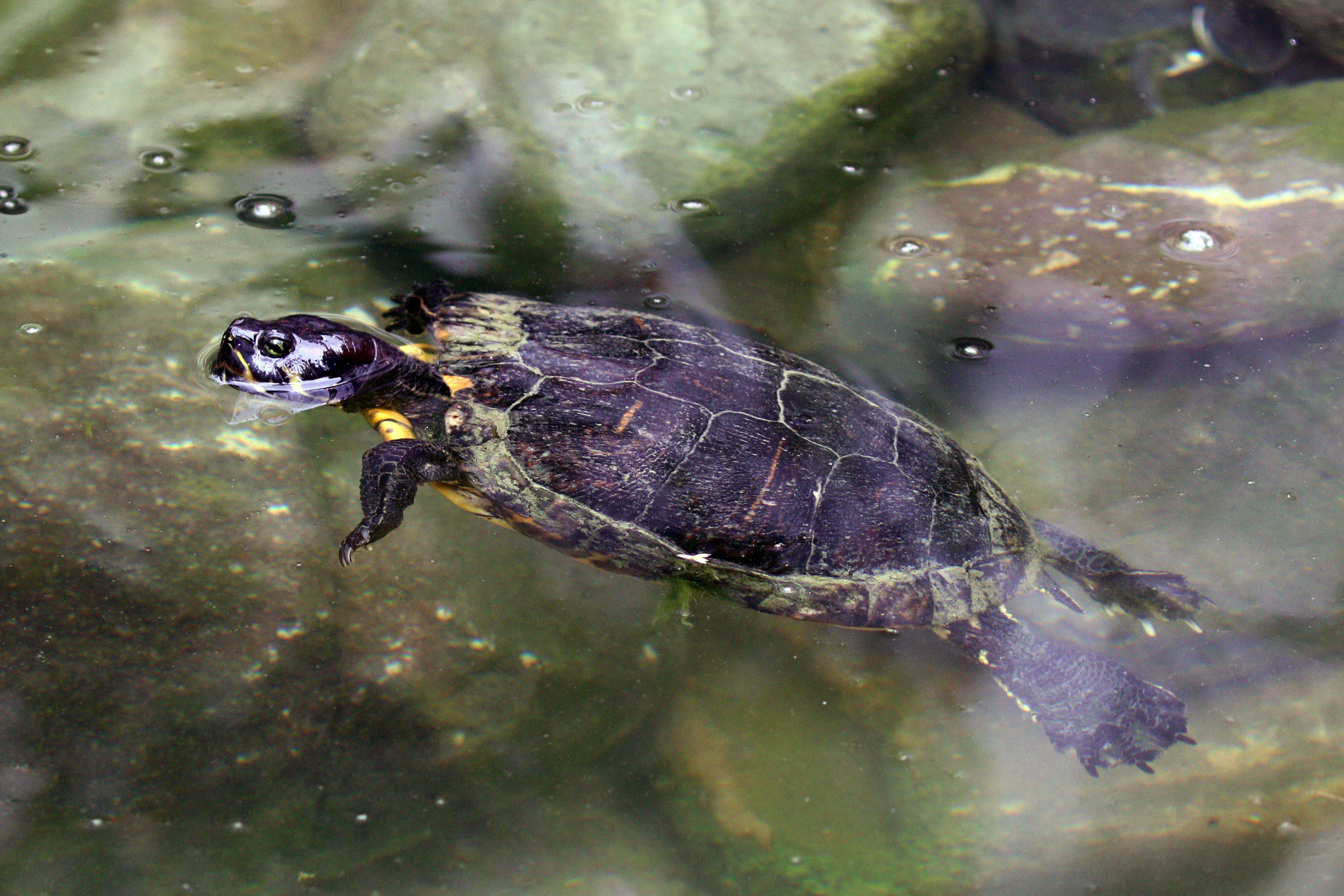
Western Pond Turtles inhabit slow-moving freshwater environments including ponds, marshes, streams, and irrigation ditches with muddy bottoms and abundant aquatic vegetation. They require adjacent terrestrial areas with suitable soil for nesting and basking sites such as logs, rocks, or emergent vegetation.
Other threatened species in EMYDIDAE

Frequently asked questions
Why is Actinemys marmorata classified as Vulnerable?
Where does Actinemys marmorata live?
What are the main threats to Actinemys marmorata?
Get weekly conservation intelligence
One short digest a week of the most striking species and country data we ship, plus breaking conservation news paired with our database where it matters.
Free, no spam. One-click unsubscribe in every email.