Trachemys adiutrix
Overview
A detailed profile for this species is sourced from the IUCN Red List of Threatened Species as assessments become available.
Trachemys adiutrix faces severe pressure from habitat destruction as coastal wetlands and freshwater systems in its limited range are converted for agriculture and urban development. The species is heavily exploited for the pet trade and local consumption, with adults and eggs collected from wild populations. Introduced predators and competing turtle species further threaten remaining populations in this endemic Brazilian turtle's restricted coastal habitat.
Habitat
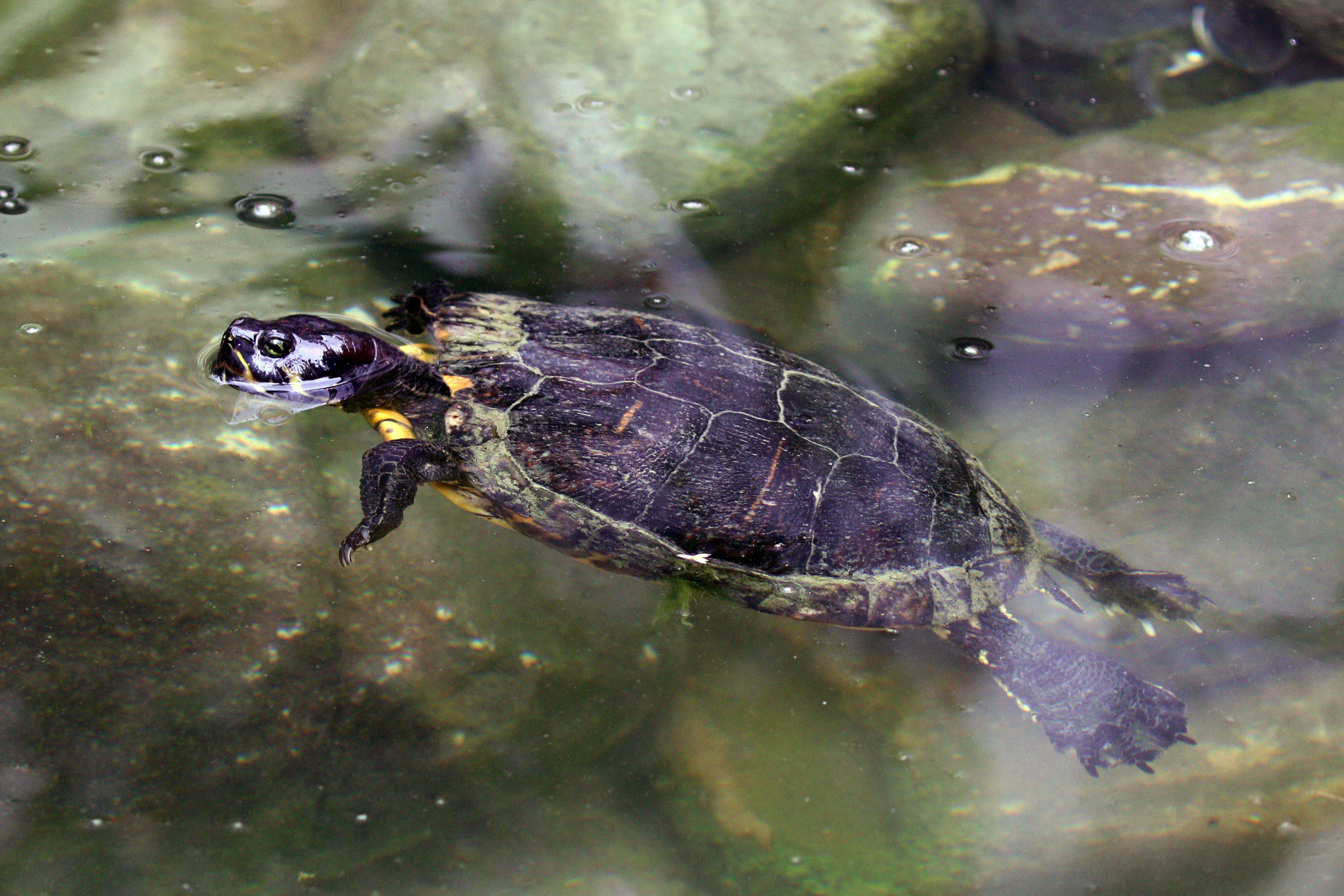
This species inhabits coastal freshwater wetlands, lagoons, and slow-moving rivers in the Atlantic coastal region of Brazil. It prefers shallow waters with abundant aquatic vegetation and sandy or muddy substrates suitable for nesting.
Other threatened species in EMYDIDAE

Threatened in Brazil


Frequently asked questions
Why is Trachemys adiutrix classified as Endangered?
Where does Trachemys adiutrix live?
What are the main threats to Trachemys adiutrix?
Get weekly conservation intelligence
One short digest a week of the most striking species and country data we ship, plus breaking conservation news paired with our database where it matters.
Free, no spam. One-click unsubscribe in every email.