Black-footed Rock Wallaby
Petrogale lateralis
Overview
Petrogale lateralis is a medium-sized macropod adapted to life among boulder fields, cliffs, and rocky escarpments. It has powerful hind limbs and roughened, granular soles that provide grip on steep, uneven rock surfaces, along with a long tail used for balance while bounding between ledges. Predominantly nocturnal and crepuscular, it shelters in caves, crevices, and rock piles during the day and emerges to forage on grasses, forbs, and foliage at night.
As a herbivore, it contributes to seed dispersal and vegetation turnover within its rocky habitat, while also serving as prey for native and introduced predators.
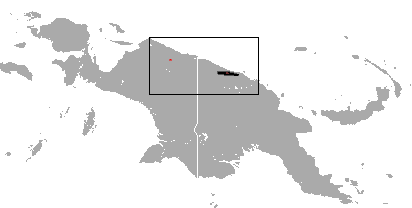
The species occurs in fragmented populations across parts of Australia, restricted almost entirely to rugged rocky terrain that offers refuge from predators and extreme temperatures. This dependence on a narrow habitat type has left populations isolated from one another, limiting gene flow and increasing vulnerability to localized threats.
Altered fire regimes pose a significant threat, with both intense wildfires and fire suppression practices disrupting the vegetation structure the species relies on for food and cover. Invasive species, including predators such as foxes and cats, and competitors like feral goats and rabbits, place additional pressure on populations by increasing predation risk and degrading habitat quality through overgrazing.
Conservation efforts include predator control programs, targeted fire management aimed at maintaining suitable habitat mosaics, and monitoring of remaining colonies to track population trends. Some populations have also benefited from translocation and reintroduction initiatives designed to bolster genetic diversity.
Despite these interventions, the overall population trend remains in decline. The species' reliance on fragmented rocky habitat, combined with ongoing fire and invasive species pressures, suggests continued vulnerability unless current management efforts are sustained or expanded.
Black-footed Rock Wallabies face ongoing danger from wildfires, which can destroy the rocky shelters and surrounding vegetation they depend on for food and safety. They are also threatened by introduced predators and competitors, such as foxes and cats that hunt them, and other non-native species that compete for food or introduce diseases. Both of these threats are currently ongoing and show no signs of easing, suggesting the risks to this species remain stable but persistent.
Habitat
Conservation measures underway
Other threatened species in MACROPODIDAE


Threatened in Australia
Frequently asked questions
Why is Black-footed Rock Wallaby classified as Vulnerable?
Where does Black-footed Rock Wallaby live?
What are the main threats to Black-footed Rock Wallaby?
Get weekly conservation intelligence
One short digest a week of the most striking species and country data we ship, plus breaking conservation news paired with our database where it matters.
Free, no spam. One-click unsubscribe in every email.