
Black Dorcopsis
Dorcopsis atrata
Photo: Wikimedia Commons (CC) via https://en.wikipedia.org/wiki/Black_dorcopsis
Overview
The black dorcopsis or black forest wallaby is a species of marsupial in the family Macropodidae. It is endemic to Goodenough Island at the eastern end of New Guinea where its natural habitat is subtropical or tropical dry forests. It is threatened by habitat loss and hunting, its population is declining and the IUCN lists it as being "Critically endangered". It was discovered in 1953 during The Fourth Archbold Expedition to New Guinea.
The Black Dorcopsis faces severe population decline primarily due to extensive habitat destruction from logging and agricultural conversion of its lowland forest habitat in Papua New Guinea. Hunting pressure for subsistence and commercial purposes has intensified as human settlements expand into remaining forest areas. The species' restricted range and small population size make it extremely vulnerable to local extinctions from these combined pressures.
Habitat
The Black Dorcopsis inhabits lowland tropical rainforests and forest edges in Papua New Guinea, typically found in dense primary and secondary forest areas at elevations below 1,000 meters. It prefers areas with thick understory vegetation that provides cover and foraging opportunities.
Conservation measures underway
Other threatened species in MACROPODIDAE

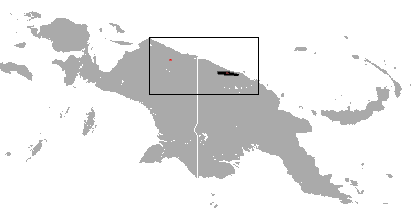
Threatened in Papua New Guinea
Frequently asked questions
Why is Black Dorcopsis classified as Critically Endangered?
Where does Black Dorcopsis live?
What are the main threats to Black Dorcopsis?
Get weekly conservation intelligence
One short digest a week of the most striking species and country data we ship, plus breaking conservation news paired with our database where it matters.
Free, no spam. One-click unsubscribe in every email.