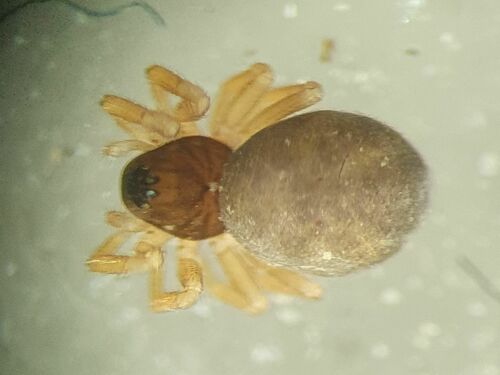
Silometopus bonessi
Local name: Wärmeliebendes Einzahnspinnchen
Photo: (c) Matt, niektoré práva vyhradené (CC BY-NC), uploaded by Matt
Overview
Silometopus bonessi, commonly known as Wärmeliebendes Einzahnspinnchen or the heat-loving single-tooth spider, is a critically endangered arachnid species with extremely limited distribution. This small linyphiid spider belongs to the sheet weaver family and is characterized by its distinctive single-tooth cheliceral structure, from which its common name derives. The species exhibits thermophilic behavior, preferring warm microhabitats within its restricted range.
S. bonessi occupies highly specialized ecological niches, typically found in warm, dry grassland environments and rocky outcrops where it constructs small sheet webs close to the ground. The spider's critical conservation status reflects its vulnerability to habitat loss and environmental changes.
Primary threats include habitat destruction through agricultural intensification, urban development, and climate-related alterations to its preferred warm microenvironments. The species' limited dispersal ability and highly specific habitat requirements make it particularly susceptible to local extinctions. Its small population size and restricted distribution further compound conservation challenges.
Current conservation efforts focus on habitat protection and monitoring of known populations, though comprehensive population assessments remain limited. Research initiatives aim to better understand the species' ecological requirements and population dynamics to inform targeted conservation strategies. The species serves as an indicator of ecosystem health in its native grassland habitats, highlighting the importance of preserving specialized microhabitats for rare invertebrate species.
The primary threats to Silometopus bonessi include habitat destruction from agricultural practices and urban development, which eliminate the warm, dry grassland environments essential for its survival. Climate change poses additional risks by altering the temperature and moisture conditions of its specialized microhabitats. The species' limited dispersal ability and small population size make it highly vulnerable to local extinctions from these environmental pressures.
Habitat
Silometopus bonessi inhabits warm, dry grassland environments and rocky outcrops where it can find suitable temperature conditions for its thermophilic lifestyle. The species constructs small sheet webs close to the ground in areas with specific microclimatic conditions that provide the warmth it requires.
Other threatened species in Linyphiidae
Threatened in Austria

Frequently asked questions
Why is Wärmeliebendes Einzahnspinnchen classified as Critically Endangered?
Where does Wärmeliebendes Einzahnspinnchen live?
What are the main threats to Wärmeliebendes Einzahnspinnchen?
Get weekly conservation intelligence
One short digest a week of the most striking species and country data we ship, plus breaking conservation news paired with our database where it matters.
Free, no spam. One-click unsubscribe in every email.