Tychius trivialis
Overview
A detailed profile for this species is sourced from the IUCN Red List of Threatened Species as assessments become available.
Tychius trivialis faces significant population declines primarily due to the intensification of agricultural practices and widespread use of pesticides that eliminate both the weevil and its host plants. Habitat fragmentation from urban development and conversion of natural grasslands to monoculture crops has reduced available breeding sites. Climate change is altering the distribution and phenology of its leguminous host plants, disrupting the weevil's reproductive cycle and larval development.
Habitat
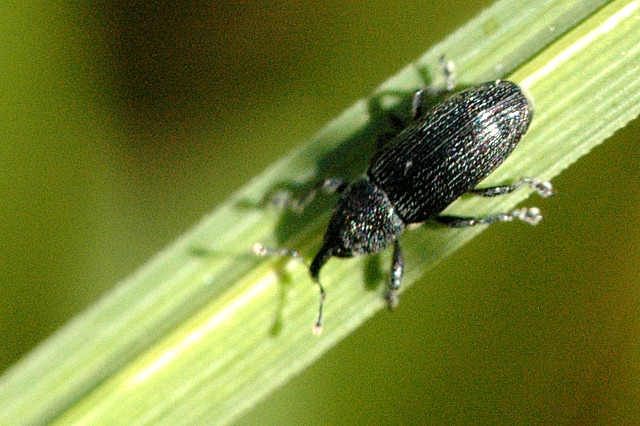
This weevil species inhabits natural grasslands, meadows, and field margins where its leguminous host plants grow. It requires areas with diverse plant communities that support both adult feeding and larval development within seed pods.
Other threatened species in Curculionidae

Threatened in Austria
Frequently asked questions
Why is Tychius trivialis classified as Vulnerable?
Where does Tychius trivialis live?
What are the main threats to Tychius trivialis?
Get weekly conservation intelligence
One short digest a week of the most striking species and country data we ship, plus breaking conservation news paired with our database where it matters.
Free, no spam. One-click unsubscribe in every email.