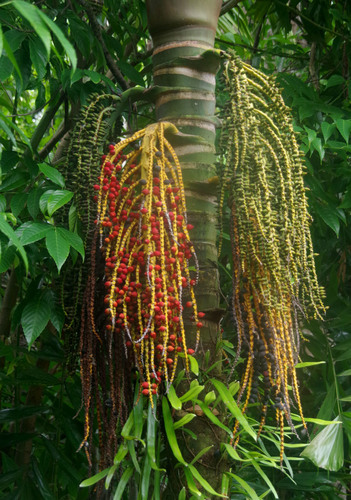
Chamaedorea foveata
Overview
A detailed profile for this species is sourced from the IUCN Red List of Threatened Species as assessments become available.
Chamaedorea foveata faces severe pressure from overcollection for the international ornamental plant trade, where its attractive foliage makes it highly sought after for indoor cultivation. Habitat destruction through deforestation and agricultural expansion in its limited Central American range compounds these collection pressures. The species' slow growth rate and specific ecological requirements make population recovery extremely difficult once local populations are depleted.
Habitat
This understory palm inhabits humid tropical forests at elevations between 800-1,500 meters in Central America. It typically grows in shaded forest floors with rich, well-drained soils and consistent moisture levels.
Conservation measures underway
Other threatened species in ARECACEAE
Threatened in Mexico
Frequently asked questions
Why is Chamaedorea foveata classified as Vulnerable?
Where does Chamaedorea foveata live?
What are the main threats to Chamaedorea foveata?
Get weekly conservation intelligence
One short digest a week of the most striking species and country data we ship, plus breaking conservation news paired with our database where it matters.
Free, no spam. One-click unsubscribe in every email.