Ispirian Catchfly
Silene ispirensis
Overview
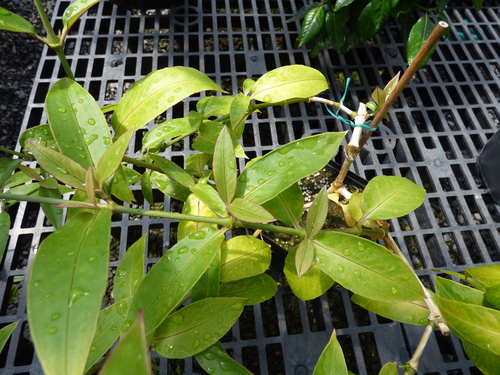
The Ispirian Catchfly (Silene ispirensis) is a rare flowering plant in the family Caryophyllaceae, known only from a narrow range in the İspir district of Erzurum Province, northeastern Turkey. Like other members of the Silene genus, it is a herbaceous perennial with slender stems, narrow lanceolate leaves, and small five-petaled flowers typical of catchflies, often pale in color with a sticky calyx that gives the genus its common name. This species is classified as Critically Endangered (CR) by the IUCN, reflecting its extremely restricted distribution and the fragility of its remaining populations.
It grows in rocky, montane habitats characteristic of the Eastern Anatolian highlands, where specific soil and elevation conditions limit its occurrence to a very small number of known sites. Because Silene ispirensis is a narrow endemic, any disturbance to its localized habitat poses an outsized risk to the species' survival, and its population trend is currently unknown, underscoring the urgent need for further field surveys and monitoring. Threats stem primarily from the small geographic footprint of its habitat, which leaves it vulnerable to localized pressures such as land conversion, grazing, and infrastructure development in the region.
Encouragingly, growing botanical interest in Turkey's endemic flora has led to increased documentation of narrow-range species like this one, and its formal recognition on the IUCN Red List has brought scientific attention that could support future targeted conservation planning, including habitat protection assessments and seed banking initiatives for regional endemics. Continued botanical surveys in the İspir area and neighboring Anatolian mountain ranges will be essential to clarify the species' true population size, confirm the number of extant sites, and design effective conservation measures before further decline occurs.
Silene ispirensis faces severe threats from its extremely restricted range on Mount Ispir in Turkey, where the entire population is confined to a single location. The species is highly vulnerable to habitat degradation from grazing pressure, infrastructure development, and climate change impacts on its alpine environment. Its narrow ecological requirements and limited dispersal ability make recovery extremely challenging once populations decline.
Habitat
This endemic species occupies rocky alpine slopes and crevices on Mount Ispir in northeastern Turkey, typically growing in limestone substrates at high elevations. It is restricted to specialized microhabitats within the mountain's alpine zone, requiring specific soil and moisture conditions.
Other threatened species in CARYOPHYLLACEAE

Threatened in Türkiye

Frequently asked questions
Why is Ispirian Catchfly classified as Critically Endangered?
Where does Ispirian Catchfly live?
What are the main threats to Ispirian Catchfly?
Get weekly conservation intelligence
One short digest a week of the most striking species and country data we ship, plus breaking conservation news paired with our database where it matters.
Free, no spam. One-click unsubscribe in every email.