
Mount Claro Rock Wallaby
Petrogale sharmani
Photo: Wikimedia Commons (CC) via https://en.wikipedia.org/wiki/Mount_Claro_rock-wallaby
Overview
Petrogale sharmani is a medium-sized macropod adapted to life among boulder fields and rocky escarpments in northeastern Queensland, Australia. Like other rock wallabies, it possesses granular, non-slip soles and a long, well-furred tail that provide balance and grip on steep, uneven terrain. It is primarily nocturnal and crepuscular, sheltering in caves, crevices and rock piles during the day and emerging to graze on grasses, forbs and foliage at night.
Socially, individuals often live in loose colonies centered on particular rock outcrops, with home ranges shaped by the availability of suitable refuge sites. Within its ecosystem, it contributes to seed dispersal and vegetation cycling, and serves as prey for larger predators.
The species has a restricted distribution, confined to isolated rocky habitats in the Mount Claro region and surrounding areas of the Einasleigh Uplands in Queensland. Its reliance on rock formations for shelter makes its populations naturally fragmented and vulnerable to localized disturbance.
Threats include habitat degradation from livestock grazing, which alters vegetation structure and food availability, and changed fire regimes—both frequent burning and fire suppression—that affect food plant composition. Logging and wood harvesting reduce surrounding vegetation cover, while invasive species, including predators and competitors, add pressure. Hybridization with related Petrogale species through introduced genetic material also threatens the genetic integrity of populations.
Conservation efforts include population monitoring, habitat protection within parts of its range, and research into genetic distinctiveness to guide management decisions. Fire management planning and control of feral predators are also components of regional conservation strategies.
The population trend is currently unknown, and the species' restricted range and multiple concurrent threats warrant continued monitoring to clarify its long-term trajectory.
The Mount Claro Rock Wallaby faces ongoing pressure from cattle grazing and ranching on its habitat, as well as competition and predation from invasive animals. It is also threatened by interbreeding with other rock wallaby species, wood harvesting that clears its habitat, and wildfires or fire management practices that alter its rocky terrain. All of these threats are currently classified as ongoing, suggesting a stable but persistent level of risk rather than a clear increase or decrease.
Habitat
Conservation measures underway
Other threatened species in MACROPODIDAE

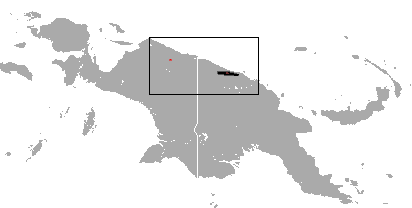

Threatened in Australia
Frequently asked questions
Why is Mount Claro Rock Wallaby classified as Vulnerable?
Where does Mount Claro Rock Wallaby live?
What are the main threats to Mount Claro Rock Wallaby?
Get weekly conservation intelligence
One short digest a week of the most striking species and country data we ship, plus breaking conservation news paired with our database where it matters.
Free, no spam. One-click unsubscribe in every email.