Schiedea trinervis
Overview
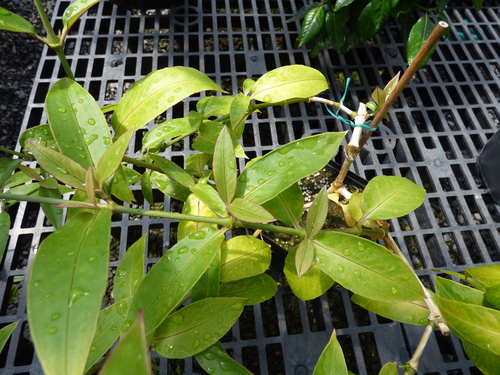
Schiedea trinervis is a species of flowering plant in the family Caryophyllaceae. It is called three nerved alsinidendron and is endemic to island of Oʻahu in Hawaii. It is a subshrub, reaching a height of 30–80 cm (12–31 in).
Schiedea trinervis faces severe population decline due to habitat destruction from invasive plant species, particularly fountain grass and other non-native vegetation that outcompete this endemic Hawaiian species. Feral ungulates, especially goats and pigs, trample and browse the remaining populations while degrading the fragile dry forest ecosystem. Urban development and agricultural expansion have eliminated much of its historical range on the leeward slopes of Hawaiian mountains.
Habitat
Schiedea trinervis inhabits dry to mesic forests and shrublands on volcanic slopes, typically found in rocky outcrops and cliff faces between 300-1,200 meters elevation. This Hawaiian endemic requires well-drained soils in areas with moderate rainfall and is adapted to the unique microclimates of leeward mountain slopes.
Conservation measures underway
Other threatened species in CARYOPHYLLACEAE

Threatened in United States
Frequently asked questions
Why is Schiedea trinervis classified as Critically Endangered?
Where does Schiedea trinervis live?
What are the main threats to Schiedea trinervis?
Get weekly conservation intelligence
One short digest a week of the most striking species and country data we ship, plus breaking conservation news paired with our database where it matters.
Free, no spam. One-click unsubscribe in every email.