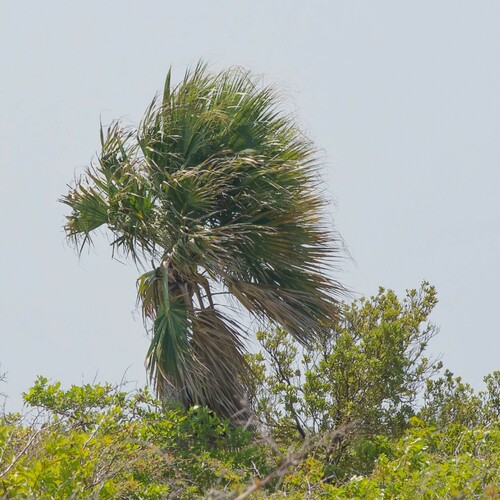
Bonaire Palm
Sabal lougheediana
Photo: Photo: (c) Brice C., some rights reserved (CC BY-NC), uploaded by Brice C.
Overview
A detailed profile for this species is sourced from the IUCN Red List of Threatened Species as assessments become available.
Sabal lougheediana faces severe population decline due to extensive habitat conversion for agricultural development and urban expansion across its limited range in northwestern Mexico. The species is further threatened by overgrazing from livestock, which prevents natural regeneration of seedlings and damages existing mature palms. Climate change poses an additional threat through altered precipitation patterns and increased drought frequency in its already arid habitat.
Habitat
This palm species inhabits dry tropical forests and semi-arid scrublands in northwestern Mexico, typically growing in rocky soils and canyon bottoms. It occurs at elevations between 200-800 meters in areas with seasonal rainfall patterns and well-drained substrates.
Conservation measures underway
Other threatened species in ARECACEAE
Threatened in Caribbean Netherlands


Frequently asked questions
Why is Bonaire Palm classified as Critically Endangered?
Where does Bonaire Palm live?
What are the main threats to Bonaire Palm?
Get weekly conservation intelligence
One short digest a week of the most striking species and country data we ship, plus breaking conservation news paired with our database where it matters.
Free, no spam. One-click unsubscribe in every email.