Astrocaryum giganteum
Overview
A detailed profile for this species is sourced from the IUCN Red List of Threatened Species as assessments become available.
Astrocaryum giganteum faces severe pressure from deforestation and agricultural expansion throughout its Amazonian range, with palm heart harvesting representing a particularly acute threat due to the species' slow growth and single-stemmed architecture. Mining activities and infrastructure development further fragment remaining populations, while the species' limited dispersal capacity restricts natural recolonization of degraded areas.
Habitat
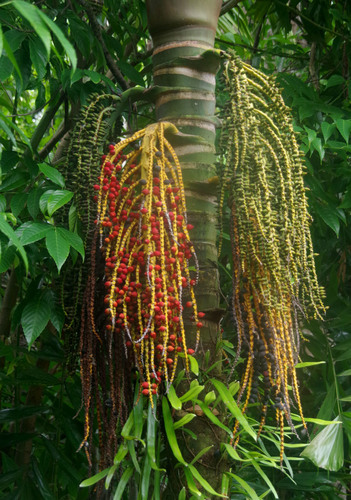
This large palm species inhabits lowland tropical rainforests of the Amazon Basin, typically occurring in well-drained terra firme forests and occasionally in seasonally flooded areas. It grows in both primary and secondary forest formations, showing preference for areas with rich, deep soils and high humidity levels.
Conservation measures underway
Other threatened species in ARECACEAE
Frequently asked questions
Why is Astrocaryum giganteum classified as Endangered?
Where does Astrocaryum giganteum live?
What are the main threats to Astrocaryum giganteum?
Get weekly conservation intelligence
One short digest a week of the most striking species and country data we ship, plus breaking conservation news paired with our database where it matters.
Free, no spam. One-click unsubscribe in every email.