CRCritically Endangered
Oncosperma platyphyllum
Declining
Overview
A detailed profile for this species is sourced from the IUCN Red List of Threatened Species as assessments become available.
Habitat
This palm species inhabits the understory of lowland tropical rainforests in peninsular Malaysia and southern Thailand, preferring humid environments with consistent moisture and well-drained, organic-rich soils. It typically occurs at elevations below 300 meters in both primary forests and mature secondary growth areas with intact canopy cover.
Conservation measures underway
Species recoverySpecies reintroductionEx-situ conservation
Other threatened species in ARECACEAE
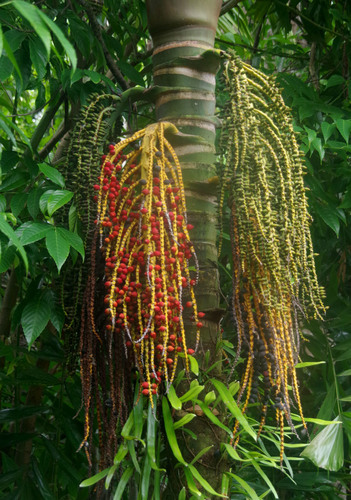
Threatened in Philippines

Frequently asked questions
Why is Oncosperma platyphyllum classified as Critically Endangered?
Oncosperma platyphyllum is classified as Critically Endangered — facing an extremely high risk of extinction in the wild — because population sizes are very small, declining sharply, or restricted to a tiny range, per the IUCN Red List assessment recorded in the SpeciesRadar database.
Where does Oncosperma platyphyllum live?
Oncosperma platyphyllum occurs in Philippines. Country-level distribution data is sourced from the IUCN Red List and cross-referenced with GBIF occurrences.
What are the main threats to Oncosperma platyphyllum?
The main threats to Oncosperma platyphyllum are 2.1, and 2.1.1. The full IUCN-classified threat record for this species is detailed on the species page.
Get weekly conservation intelligence
One short digest a week of the most striking species and country data we ship, plus breaking conservation news paired with our database where it matters.
Free, no spam. One-click unsubscribe in every email.