
Harpagoxenus sublaevis
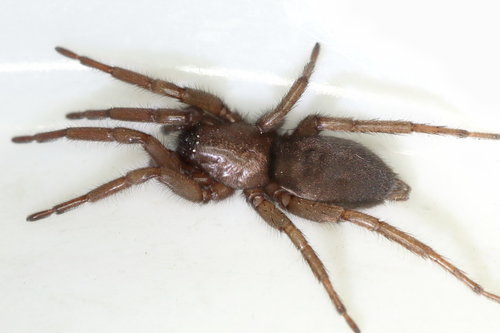
Photo: Wikimedia Commons (CC) via https://en.wikipedia.org/wiki/Harpagoxenus_sublaevis
Overview
A detailed profile for this species is sourced from the IUCN Red List of Threatened Species as assessments become available.
Harpagoxenus sublaevis faces significant threats from habitat fragmentation and loss of suitable nesting sites in its specialized woodland environments. As a socially parasitic ant species that depends on specific host ant colonies, disruption to forest ecosystems directly impacts both the parasite and its hosts. Climate change poses additional risks by altering the delicate ecological balance required for successful parasitic relationships and potentially shifting the geographic ranges of both predator and prey species.
Habitat
This species inhabits deciduous and mixed forests across Europe, particularly favoring woodland areas with well-established ant communities that serve as hosts for its parasitic lifestyle. It requires mature forest ecosystems with suitable microhabitats for both nesting and the complex social interactions necessary for its survival as a slave-making ant.
Other threatened species in FORMICIDAE
Threatened in Åland Islands


Frequently asked questions
Why is Harpagoxenus sublaevis classified as Vulnerable?
Where does Harpagoxenus sublaevis live?
What are the main threats to Harpagoxenus sublaevis?
Get weekly conservation intelligence
One short digest a week of the most striking species and country data we ship, plus breaking conservation news paired with our database where it matters.
Free, no spam. One-click unsubscribe in every email.