Platyonitis bicuariensis
Overview
A detailed profile for this species is sourced from the IUCN Red List of Threatened Species as assessments become available.
Platyonitis bicuariensis faces significant pressure from habitat degradation in its restricted range within the Colombian Andes. Agricultural expansion and cattle grazing have fragmented the cloud forest ecosystems this species depends upon. Climate change poses an additional threat by altering the moisture regimes essential for this terrestrial gastropod's survival. The species' limited dispersal ability makes population recovery particularly challenging once local extinctions occur.
Habitat
This terrestrial snail inhabits cloud forests and humid montane environments in the Colombian Andes, typically found in leaf litter and among mosses in areas with consistent moisture levels. The species requires the specific microclimate conditions provided by intact cloud forest canopy cover.
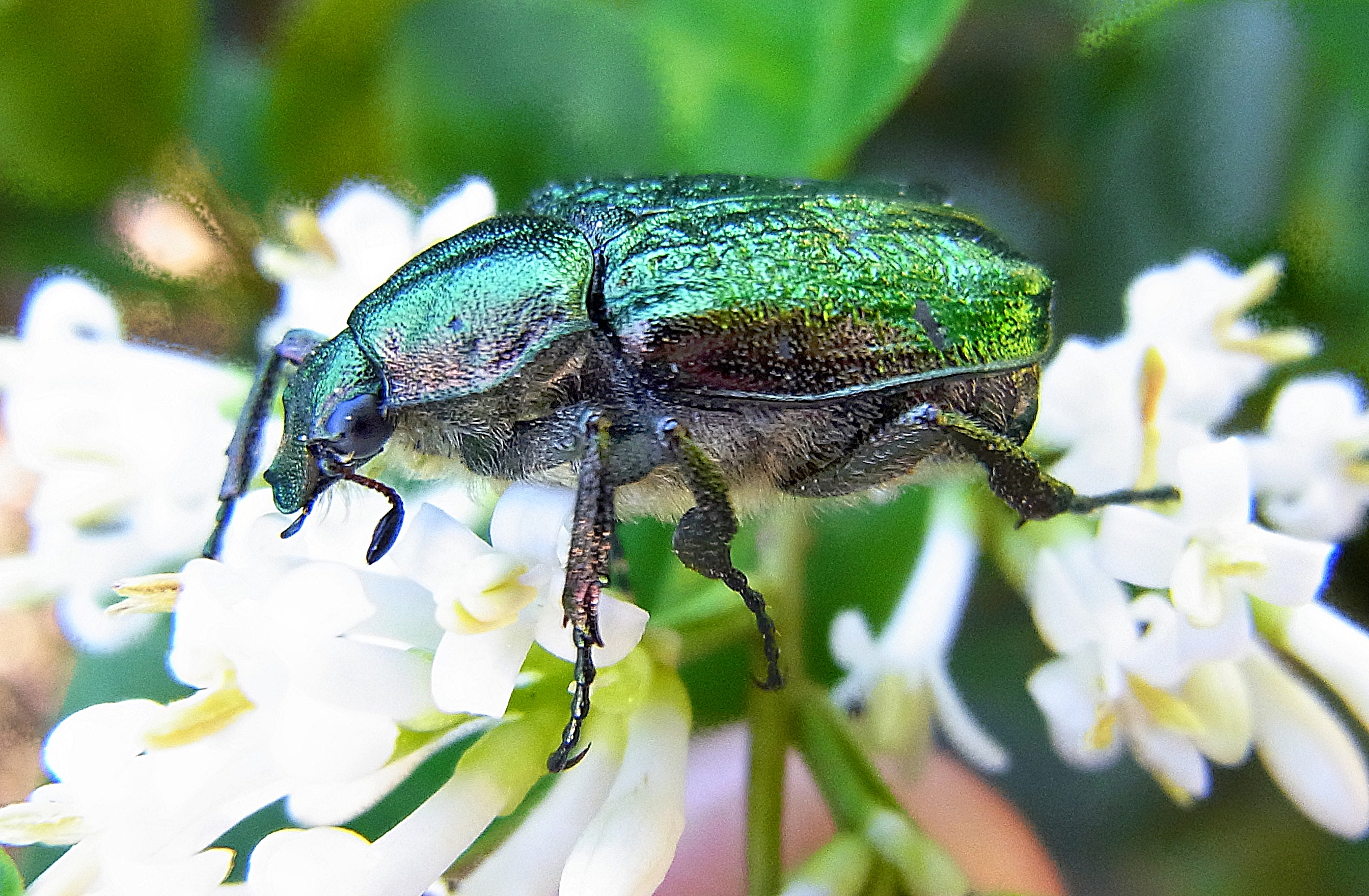
Other threatened species in Scarabaeidae
Threatened in Angola


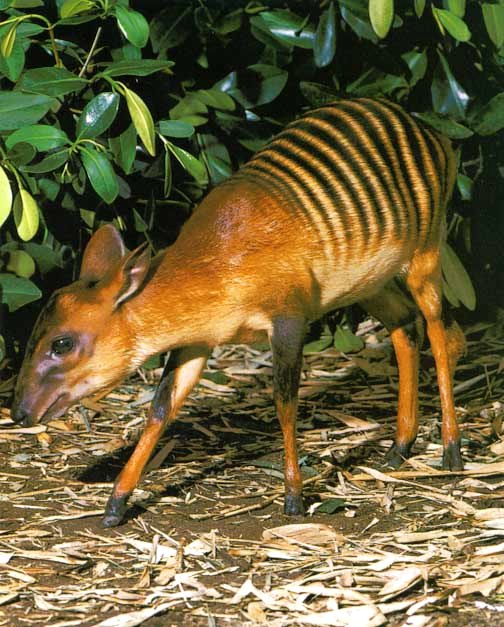

Frequently asked questions
Why is Platyonitis bicuariensis classified as Vulnerable?
Where does Platyonitis bicuariensis live?
What are the main threats to Platyonitis bicuariensis?
Get weekly conservation intelligence
One short digest a week of the most striking species and country data we ship, plus breaking conservation news paired with our database where it matters.
Free, no spam. One-click unsubscribe in every email.