
Pachykytospora tuberculosa
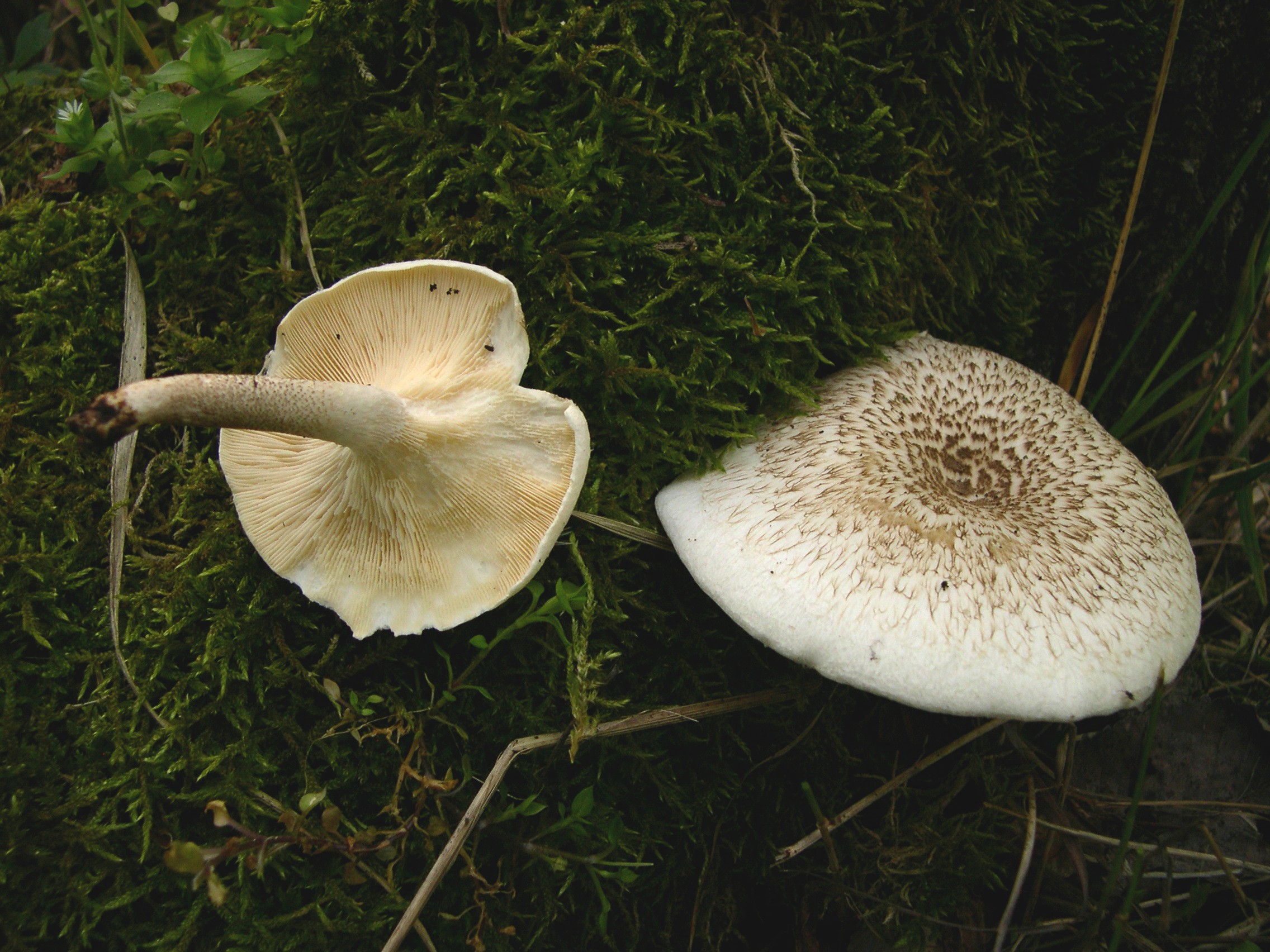
Photo: Wikimedia Commons (CC) via https://en.wikipedia.org/wiki/Pachykytospora_tuberculosa
Overview
Pachykytospora tuberculosa is a rare fungal species belonging to the polypore family, characterized by its distinctive tuberculate (warty or bumpy) surface texture. This wood-decomposing fungus forms bracket-like fruiting bodies on dead or dying hardwood trees, playing an important ecological role in forest nutrient cycling and decomposition processes. The species has an extremely limited known distribution and appears to be restricted to specific forest ecosystems with particular environmental conditions.
Its rarity may be attributed to highly specialized habitat requirements, including specific host tree species, microclimate conditions, and forest age structure. The fungus is particularly vulnerable to habitat loss and fragmentation due to deforestation, logging activities, and forest management practices that remove dead wood and alter natural forest dynamics. Climate change poses additional threats by potentially shifting suitable habitat ranges and altering the moisture and temperature conditions required for the species' survival and reproduction.
The species' cryptic nature and the specialized expertise required for accurate identification may contribute to underreporting, making population assessment challenging. Conservation efforts for Pachykytospora tuberculosa focus primarily on habitat protection and the preservation of old-growth forest ecosystems with abundant dead wood. Forest management strategies that maintain natural decomposition processes and retain fallen logs and standing dead trees are essential for the species' conservation.
Research into the species' specific ecological requirements and distribution patterns remains a priority for developing effective conservation strategies.
Pachykytospora tuberculosa faces severe threats from habitat loss due to deforestation and forest management practices that remove dead wood essential for its survival. Climate change further threatens the species by altering the specific moisture and temperature conditions required for its growth and reproduction.
Habitat
This fungal species inhabits mature forest ecosystems where it grows on dead or dying hardwood trees. It requires specific microclimate conditions and depends on the presence of suitable dead wood substrates for colonization and fruiting body development.
Other threatened species in Polyporaceae
Frequently asked questions
Why is Pachykytospora tuberculosa classified as Critically Endangered?
Where does Pachykytospora tuberculosa live?
What are the main threats to Pachykytospora tuberculosa?
Get weekly conservation intelligence
One short digest a week of the most striking species and country data we ship, plus breaking conservation news paired with our database where it matters.
Free, no spam. One-click unsubscribe in every email.