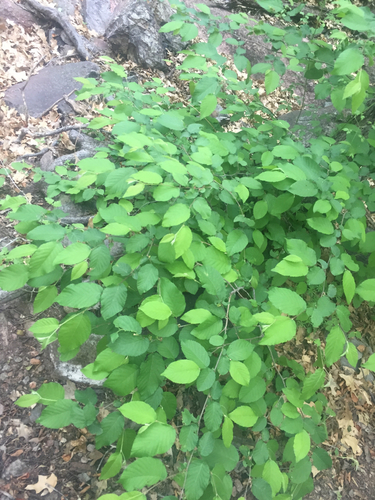
Chisos hop-hornbeam
Ostrya chisosensis
Photo: Photo: (c) Liam O'Brien, some rights reserved (CC BY-NC), uploaded by Liam O'Brien
Overview
Ostrya chisosensis, common name Big Bend hop-hornbeam or Chisos hop-hornbeam, is a plant species endemic to Texas. It is known only from the Chisos Mountains inside Big Bend National Park, in Brewster County, although related populations in northern Chihuahua have not been studied in detail and may be the same species. It grows along streambanks and on the walls of canyons.
Ostrya chisosensis faces severe threats from its extremely limited range in the Chisos Mountains of Big Bend National Park, Texas, where fewer than 200 mature individuals remain. Climate change poses the greatest risk, as rising temperatures and altered precipitation patterns threaten the species' narrow elevational habitat requirements. The small population size makes the species vulnerable to stochastic events and genetic bottlenecks, while invasive plant species compete for resources in its restricted montane environment.
Habitat
Ostrya chisosensis is endemic to moist canyon bottoms and north-facing slopes in the Chisos Mountains of Big Bend National Park, Texas, typically occurring at elevations between 1,500-2,100 meters. The species grows in mixed deciduous woodland communities alongside other relict trees in protected ravines and seeps that provide cooler, more mesic conditions than the surrounding Chihuahuan Desert.
Conservation measures underway
Other threatened species in BETULACEAE
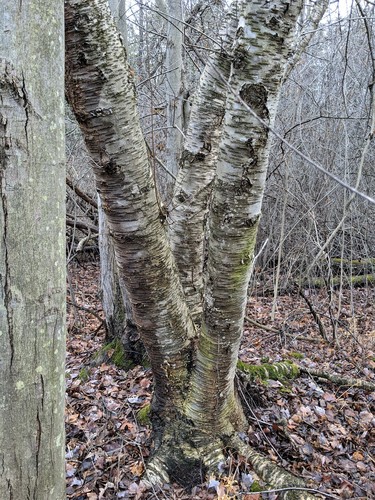
Threatened in Mexico
Frequently asked questions
Why is Chisos hop-hornbeam classified as Critically Endangered?
Where does Chisos hop-hornbeam live?
What are the main threats to Chisos hop-hornbeam?
Get weekly conservation intelligence
One short digest a week of the most striking species and country data we ship, plus breaking conservation news paired with our database where it matters.
Free, no spam. One-click unsubscribe in every email.